

The Ethiopian Agricultural Authority (EAA) is taking a significant step towards transforming the seed sector in Ethiopia. In collaboration with the Ethiopian Netherlands Seed Partnership (ENSP) and the Ethiopian Institute of Agricultural Research (EIAR), the EAA is making strides in improving national variety performance testing and registration.
To begin this initiative, a pilot project was implemented for wheat. It was conducted in selected research centres across the country and coordinated by the Kulumsa Agricultural Research Centre, which played a pivotal role as a collaborating centre for the implementation.

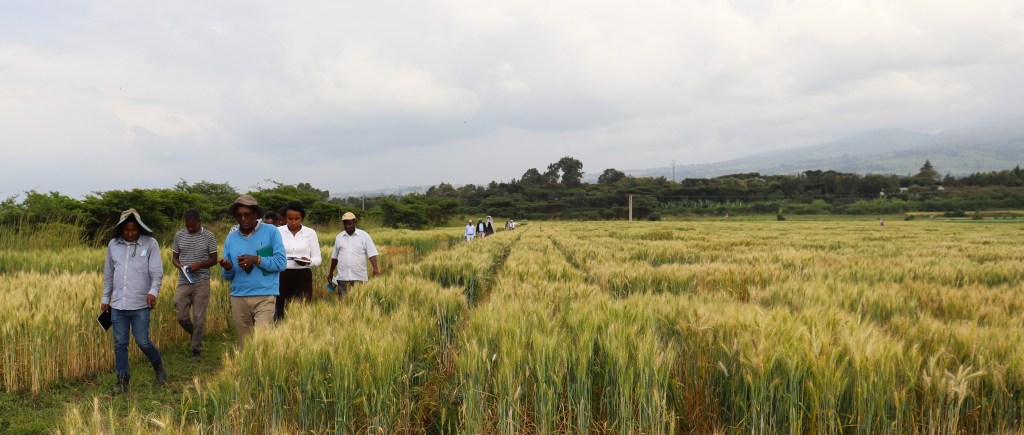
To provide a comprehensive evaluation of the new variety registration and release system, ENSP organized a field visit to DUS (Distinctiveness, Uniformity, and Stability) and NPT (National Performance Trials) testing sites representing lowland, mid altitude, and highland areas under the DebreZeit and Kulumsa agricultural research centres. The aim was to give participants a first-hand experience of the pilot project’s management and showcase the progress achieved so far. The field visit was conducted for two days, from October 11th to 12th, 2023, and covered national variety performance testing and DUS being implemented at Debrezeit research centre, Kulumsa research centre, and Bekoji and Dhera sub-stations.
The visit provided a unique opportunity for participants to observe first-hand the wheat variety performance testing being conducted and to engage with breeders and other key stakeholders in the seed sector. This allowed for a productive exchange of ideas and perspectives on how to further improve the variety registration and release system. National crop research coordinators and representatives for wheat, barley, chickpea, potato, sorghum, lowland pulse, and highland pulse breeding attended the field tour. At the end of the field visit, participants reflected that the pilot project is a big step forward. The breeders noted their anticipation that EAA’s independent role in variety testing and validation sets the stage for intense competition among breeders and public breeding institutions. However, they underlined that this competition will ultimately enable superior and best-performing varieties to be registered and released. This situation will encourage public research institutes to think of international markets for their varieties.
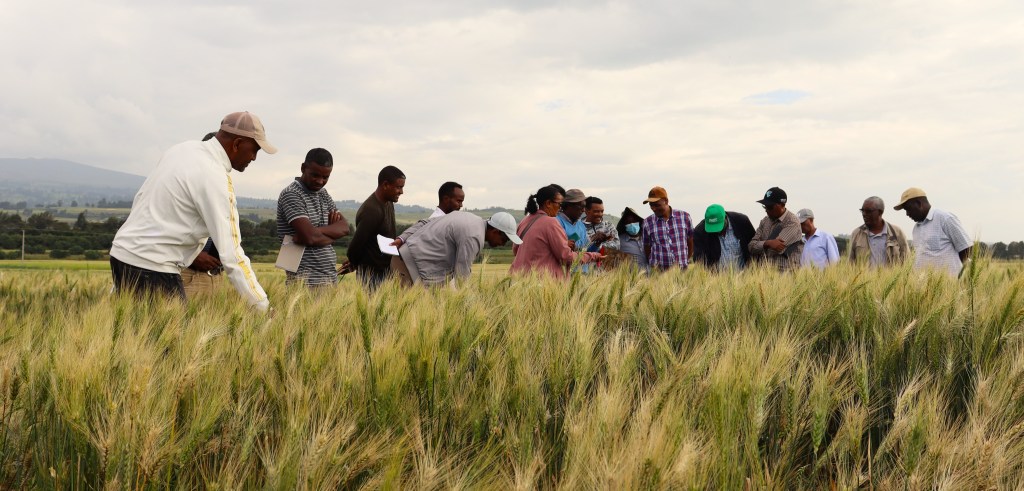
Participants also emphasized the importance of documenting the challenges and lessons learned from implementing the pilot. They stressed that EAA should identify key stakeholders and partners, raise awareness at all levels, including policy makers, and establish consensus. They suggested that the upcoming agricultural research review workshops which will be organized by EIAR would be the best platform to introduce researchers to the new variety registration system by EAA.
With over 1,500 crop varieties registered in the country, ensuring their availability to end-users is crucial. However, Mr. Fisha Teshome, the Plant Variety and Seed Regulatory Lead Executive at EAA, points out that many of these varieties have not reached end-users, and their status remains uncertain. The majority of these registered varieties have not undergone the Distinctiveness, Uniformity, and Stability (DUS) test. This test plays a pivotal role in determining whether a variety is distinct from others, consistent in its characteristics, and stable over time. Without the DUS test, evaluating the quality of a variety, assessing its suitability for diverse growing conditions, and considering its export potential to foreign markets becomes challenging.

Mr. Fiseha further explains that given that Ethiopia has signed the regional variety registration harmonization agreement of the Common Market for Eastern and Southern Africa (COMESA), breeders should take into account the potential market in neighbouring countries for their varieties. Mr. Fiseha stressed that this approach will not only be advantageous for the breeders themselves but will also contribute to the overall advancement of agriculture in the region.
Moving forward, it is crucial for all stakeholders involved in this initiative to continue working together, sharing knowledge and expertise, and addressing any challenges that may arise. By doing so, Ethiopia can establish a robust variety registration system that empowers farmers and contributes to sustainable agricultural development in the country.
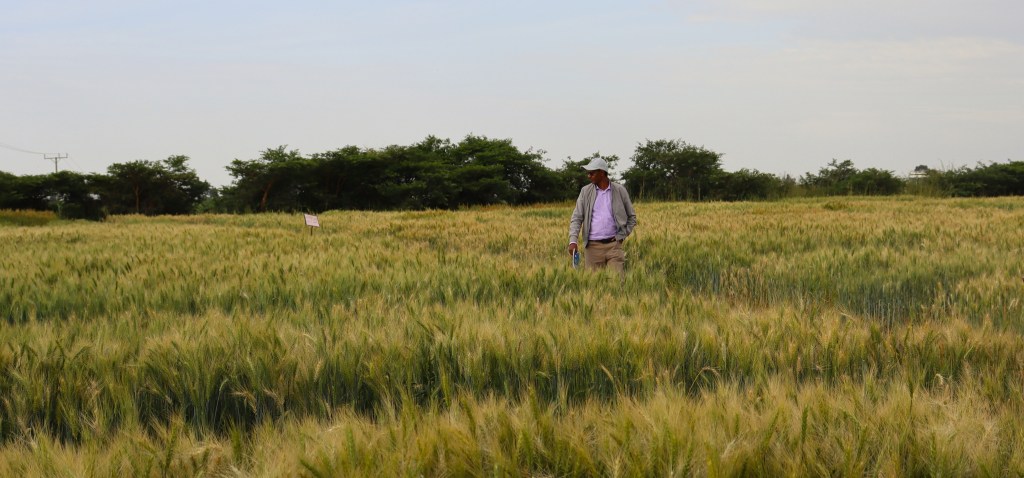
In conclusion, the pilot project on national variety performance testing for registration for bread wheat, supported by ENSP, is making significant progress. Through field visits and stakeholder engagement, this initiative aims to raise awareness about the importance of variety registration by an independent legal authority. By ensuring farmers have access to high-quality crop varieties, Ethiopia’s seed sector can thrive, contributing to food security and sustainable development.

You must be logged in to post a comment.