
Soil nutrient management is a critical aspect of sustainable agriculture, as it directly impacts the health and productivity of crops. Effective nutrient management involves optimizing the use of various inputs, such as commercial fertilizers, manure, and organic by-products, to enhance plant nutrient availability. A key tool in this process is soil testing, which allows for tailored fertilization based on the specific needs of each field or crop, ultimately minimizing waste and environmental impact.
In Ethiopia, many growers rely on inorganic fertilizers without testing their soil, leading to excessive application rates that can result in environmental pollution and economic loss. For example, in the central Rift Valley, tomato growers apply up to 1200 kg ha-1 of urea, far exceeding the recommended rate of 100 kg ha-1. This practice not only leads to environmental concerns but also indicates a lack of adherence to recommended fertilization rates.
To address this issue, there is a need for technologies that can standardize the application of fertilizers while keeping the soil fertile and healthy. One promising solution is the introduction and promotion of portable soil testing kits to enhance soil test-based nutrient management. The Ethiopian Netherlands Seed Partnership (ENSP) has taken a pioneering role in this effort by introducing portable soil testing kits such as the ‘Phosphate HR’ for testing available Phosphorus in sampled soil.
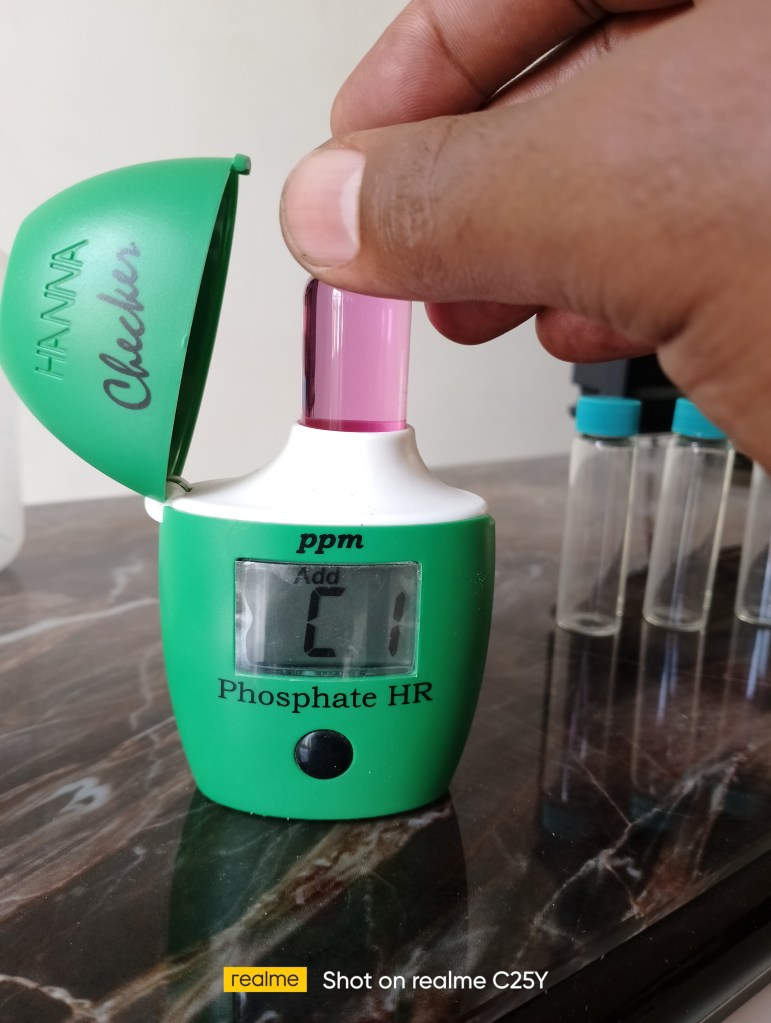
In collaboration with Wolkite University College of Agriculture and Natural Resources, ENSP facilitated a training program at the Batu Soil Research Centre for researchers, laboratory technicians, and agronomists. The training focused on the use of portable soil testing kits and the application of fertilizer software to determine appropriate rates and timing based on soil nutrient levels. Following the training, participants were equipped to prepare reagents for testing kits and access fertilizer application software, enabling them to effectively apply fertilizers based on soil test results.

Furthermore, the trained individuals have designed verification trials to compare existing fertilizer application methods with newly recommended rates and timing generated from the software. This initiative aims to promote sustainable agricultural practices by demonstrating the benefits of soil test-based nutrient management on selected vegetable crops. Markos PLC, a local seed distributor partnering with ENSP, is conducting these demonstrations to further promote sustainable agriculture among farmers.
The introduction and promotion of portable soil testing kits represent a significant step towards enhancing soil test-based nutrient management in Ethiopia. By empowering agricultural stakeholders with the tools and knowledge to optimize fertilizer use, this initiative has the potential to improve crop productivity, minimize environmental impact, and promote sustainable agricultural practices for the benefit of farmers and the broader community.

You must be logged in to post a comment.