
To ensure the genetic purity of seed lots, the Grow Out Test (GOT) is a crucial step in the seed certification process. The GOT, which functions as a pre-control and post-control mechanism, is intended to prevent crop varieties from becoming genetically contaminated. Its main objective is to grow out a sample of seeds and physically analyse the produced plant for distinctive characteristics in order to confirm the genetic purity of a seed lot. Any anomalies or unusual characteristics may be signs of genetic contamination, which could result from factors such as inadequate isolation distances between different crop varieties or cross-pollination. The GOT assists in preserving crop varieties’ unique traits and attributes by addressing these variances and maintaining the genetic integrity of the crop variety. In addition, it is an essential method for seed authorities in charge of certification to ensure compliance with quality standards and regulations, providing assurance to farmers and other consumers. Furthermore, when genetically contaminated seeds are suspected or found in a crop variety, the GOT functions as an effective post-control tool that enables focused interventions to address the dissemination of genetically contaminated seeds.
Given these circumstances, the Oromia Agricultural Inputs and Products Regulatory Authority (OAIPRA) implemented GOT at three sites in Shashamene, Ambo, and Chiro areas. OAIPRA in partnership with the Ethiopian Netherlands Seed Partnership (ENSP), organized a field day to assess the progress of the Grow Out Test (GOT) being conducted in the Shashamene area of the Oromia region.
The event, which took place at Shashamene, focused on the hybrid maize GOT field visit and evaluation on July 6, 2024. Key stakeholders were present at the event, which was officially opened by Mr. Ahmed Seid, Head of the Oromia regulatory authority. He stressed that the GOT tests were carried out at three clusters in Shashamene, Ambo, and Chiro areas, all of which serve as referral testing sites.
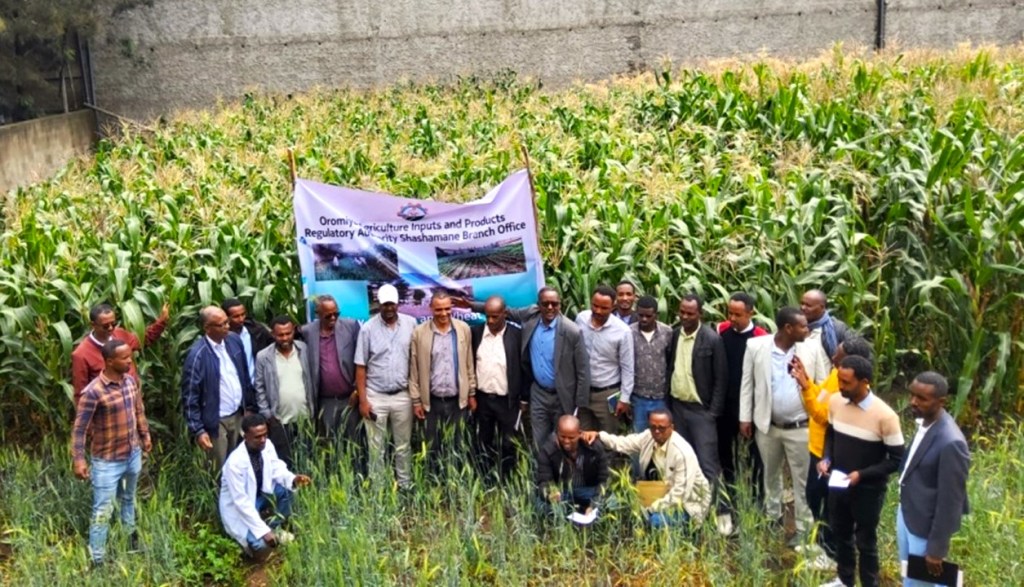
During the event, the head of the Shashamene seed lab provided insights into the process of conducting the GOT and outlined the progress made thus far. Emphasis was placed on the challenges faced, including limited land and irrigation facilities for the GOT test. Following a field evaluation led by seed inspectors from the Shashamene seed lab, participants engaged in discussions regarding achievements, areas for improvement, and strategies to address challenges related to the GOT test in the region.
While acknowledging the encouraging progress made in Oromia with regard to the GOT, it was also recognized that there are challenges that need to be addressed. These challenges include the availability of authentic samples and limited land for conducting the GOT. To further strengthen the initiative, the authority head emphasized the need to work closely with agricultural research centres to obtain authentic seeds, focus on comparing varieties from different seed companies in the modality of GOT, link GOT with seed health tests, and use GOT results to make decisions based on established standards.
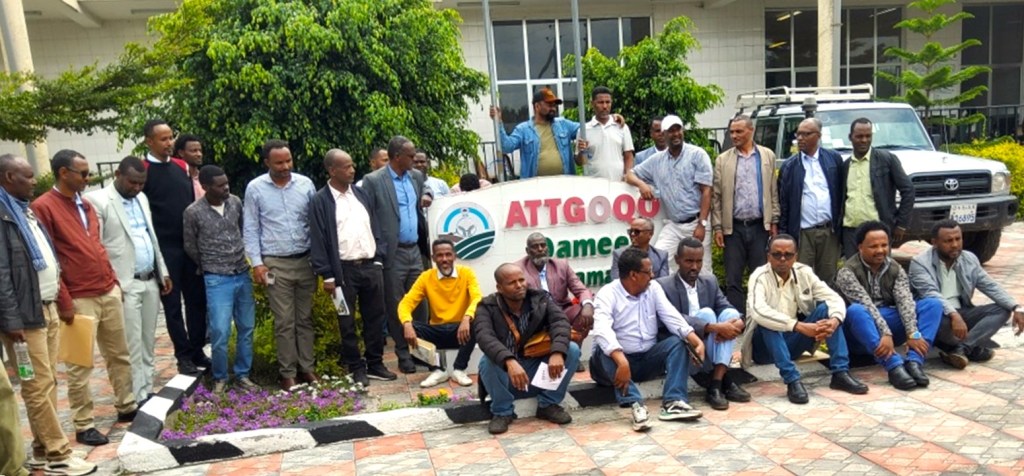
In general, it was highlighted that the Grow Out Test plays a crucial role in judging the efficacy of certification authorities and in ensuring that farmers have access to genuine seeds. The event served as a platform for collaboration and knowledge sharing, paving the way for continued advancements in seed certification processes and ultimately benefiting farmers and agricultural productivity in Oromia region.
The evaluation of the GOT involved various stakeholders, including federal and regional agricultural research centres, public and private seed companies, regional regulatory authority head offices and branches, ATI, ENSP, the Bureau of Agriculture, and EAA. With more than 37 participants in attendance, the event provided a platform for meaningful discussions and exchanges of ideas.

You must be logged in to post a comment.