
The Ethiopia Netherlands Seed Partnership recently organized a training session on Sustainable Agricultural Practices (SAPs) for Partnering Local Seed Distributors in Hawassa town from July 10-11, 2024. The primary aim of the event was to enhance the understanding of participants regarding the significance of SAPs, to familiarize them with promising SAP technologies, to provide support for the adoption of SAPs during project-funded demonstrations and trainings, and to establish targets for farmers’ uptake of SAPs promoted during the aforementioned activities.
The workshop commenced with participant introductions, followed by an overview of the training objectives by the ENSP project manager, Mohammed Hassena (PhD). Mohammed emphasized the purpose of the training, highlighting ENSP’s efforts to raise awareness among local seed distributors about SAPs and their integration into the promotion of seed varieties. Additionally, he underscored ENSP’s collaboration with local and international private seed companies to bolster Ethiopia’s seed sector.
Subsequently, experts from ENSP and SNV (Horti-LIFE III project) delivered presentations covering topics such as the current status of vegetable production in Ethiopia, the Farmers Field School (FFS) approach, and sustainability in agriculture. The participants engaged in group discussions focusing on soil fertility management and pest management options, gaining insights into the SAPs to be included in their training and demonstration sessions for further promotion to farmers.
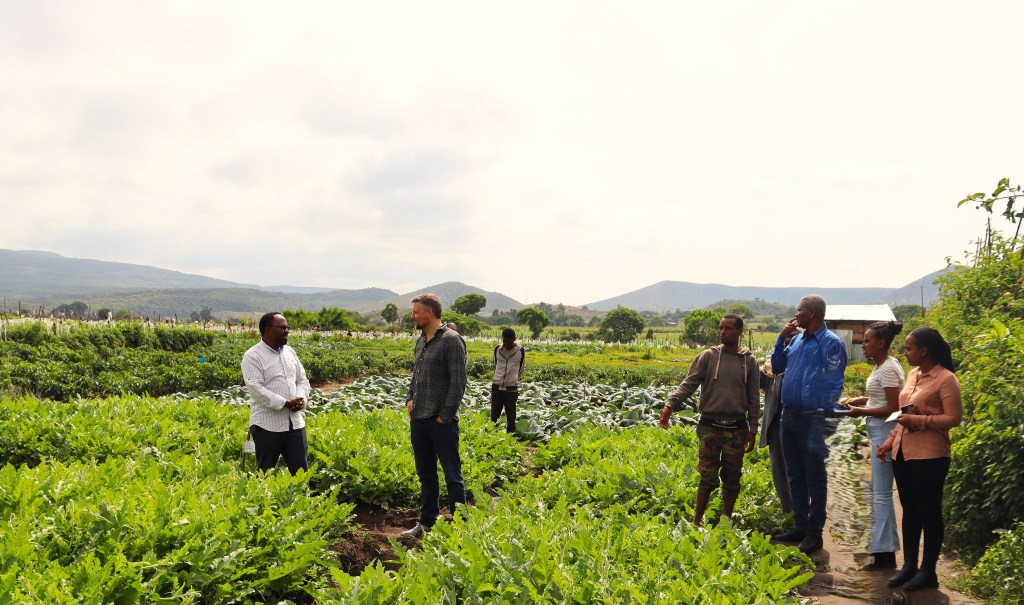
Following the group discussions, an agreement plan and monitoring format were presented, outlining the SAPs to be promoted by each company for the upcoming cropping season. The next day involved a field visit to soil test-based fertilizer trials at Tiqur Wuha, providing participants with practical insights into trial management and the potential application of SAPs in their respective marketing areas.
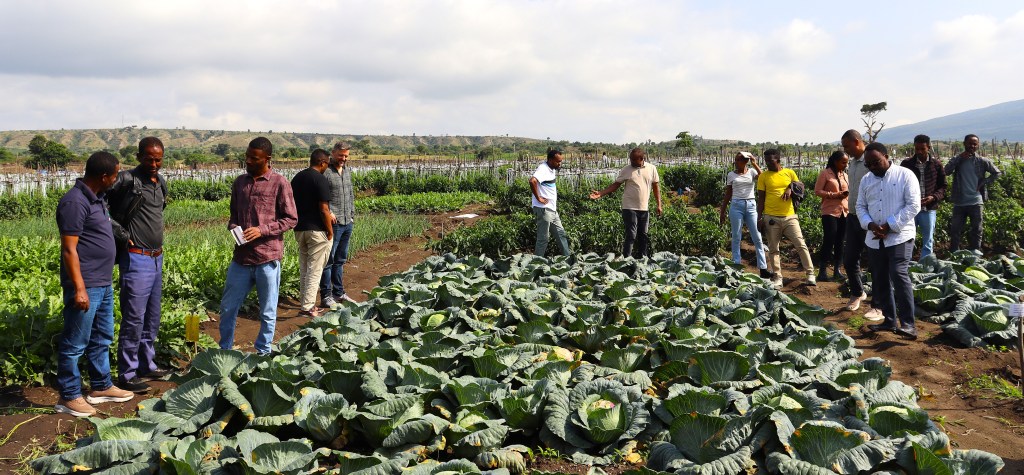
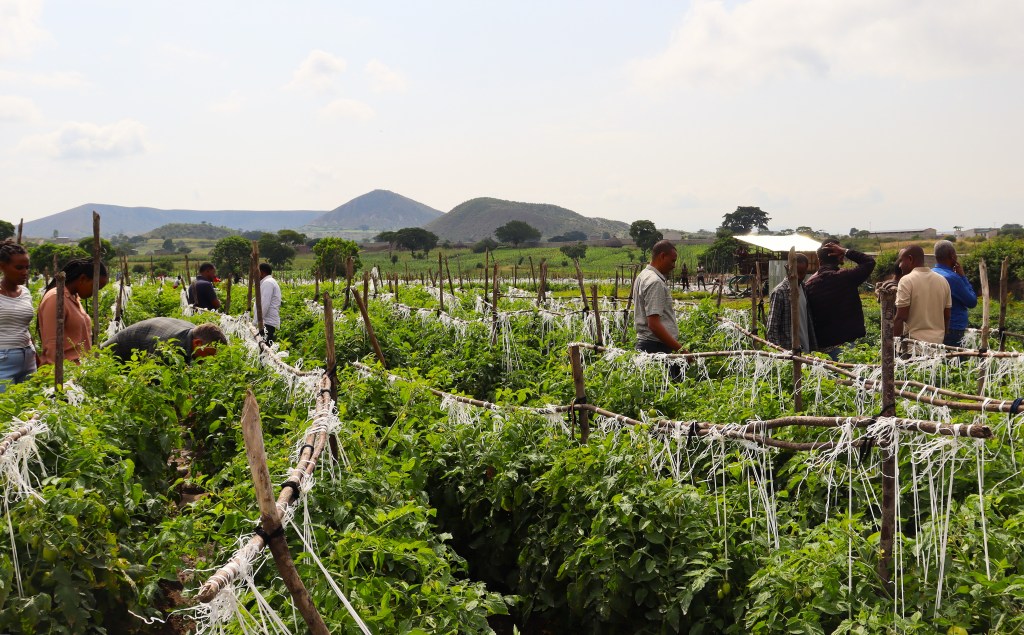
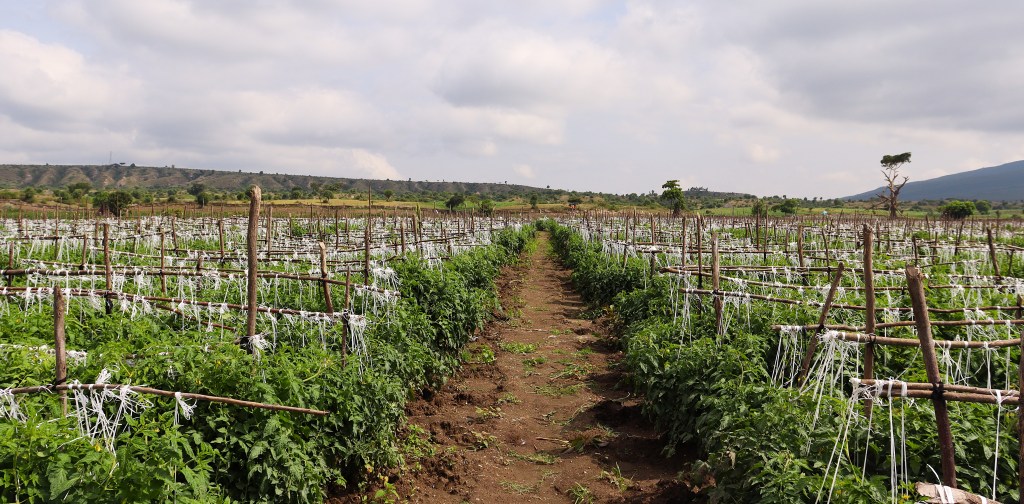
The training and field visit sessions yielded several key outcomes, including consensus among partners on sustainable agricultural practices related to vegetable production, readiness of local seed distributors to introduce and promote selected SAPs, valuable inputs from development partners, and exploration of collaboration opportunities with Horti-LIFE III project and Batu soil research centre.
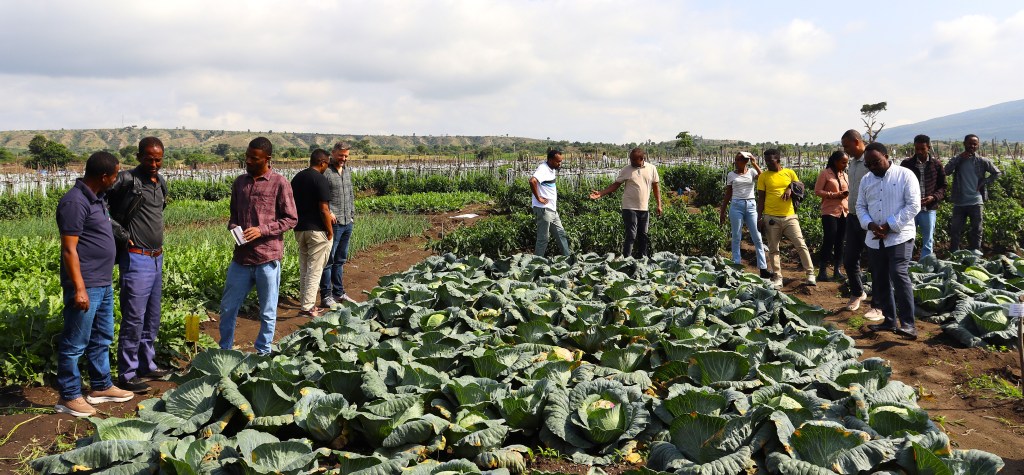
The participants also proposed next actions, including assisting distributors in completing the agreement plan, monitoring partner progress, and promoting the soil test-based nutrient management approach based on evidence from ongoing trials.
Overall, the training was successful in equipping local seed distributors with the knowledge and tools necessary to promote sustainable agricultural practices within their communities. The collaborative efforts of all stakeholders are poised to contribute significantly to the advancement of Ethiopia’s seed sector and the wider agricultural landscape.

You must be logged in to post a comment.