
The Women-Led Business Incubation Program Pitch Competition showcased the outstanding accomplishments of women entrepreneurs within Ethiopia’s agribusiness sector. This program was designed to empower women in agriculture by equipping them with essential skills and knowledge in resource management, financial planning, and market access. The winners of the pitching competition, as well as other participants, have actively contributed to the innovation and expansion of Ethiopia’s agribusiness industry, thereby sowing the seeds of change and economic empowerment within the sector.
Wudie Ebba, a mother of two, emerged as the first-place winner in the Women-Led Business Incubation Program Pitch Competition. Despite her background in Business Management and Accounting, Wudie attributes her passion for agriculture to her upbringing as a farmer’s daughter. Her success in the competition was rooted in her focus on organic food production and plant incubation, which became the cornerstone of her achievements during the challenging times of the COVID-19 pandemic.
The seven-month-long training program provided Wudie with essential skills in resource management and financial planning, enabling her to navigate the intricacies of entrepreneurship while balancing her family responsibilities. Her determination to inspire other women, including her teenage daughter, reflects the broader impact of women entrepreneurs in Ethiopia’s agribusiness sector. Wudie’s journey, along with other women like Kidist Alemu, exemplifies the growing role of women in driving innovation and sustainable growth within the industry.
The Women-Led Business Incubator program not only offered training and coaching but also emphasized the pivotal role of women in the agricultural sector. By providing access to markets, finance, and technical training, the program empowered women entrepreneurs to overcome barriers and thrive in a male-dominated industry. The recognition of women’s contributions to agribusiness is a crucial step towards fostering gender equality and economic development in Ethiopia.
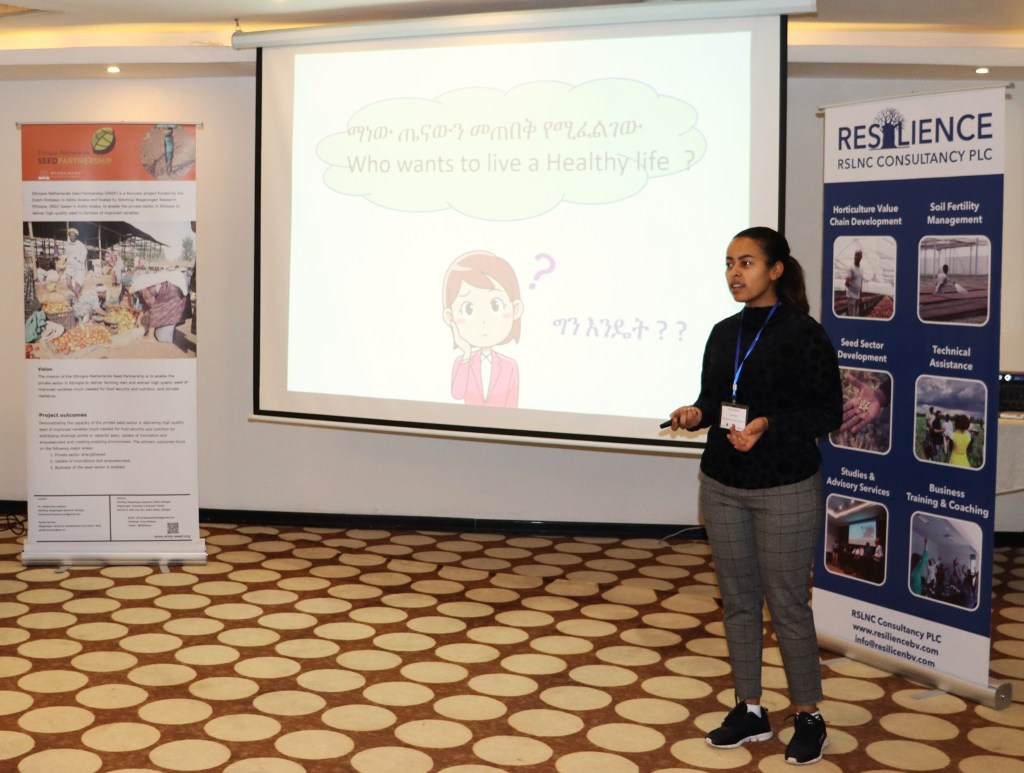
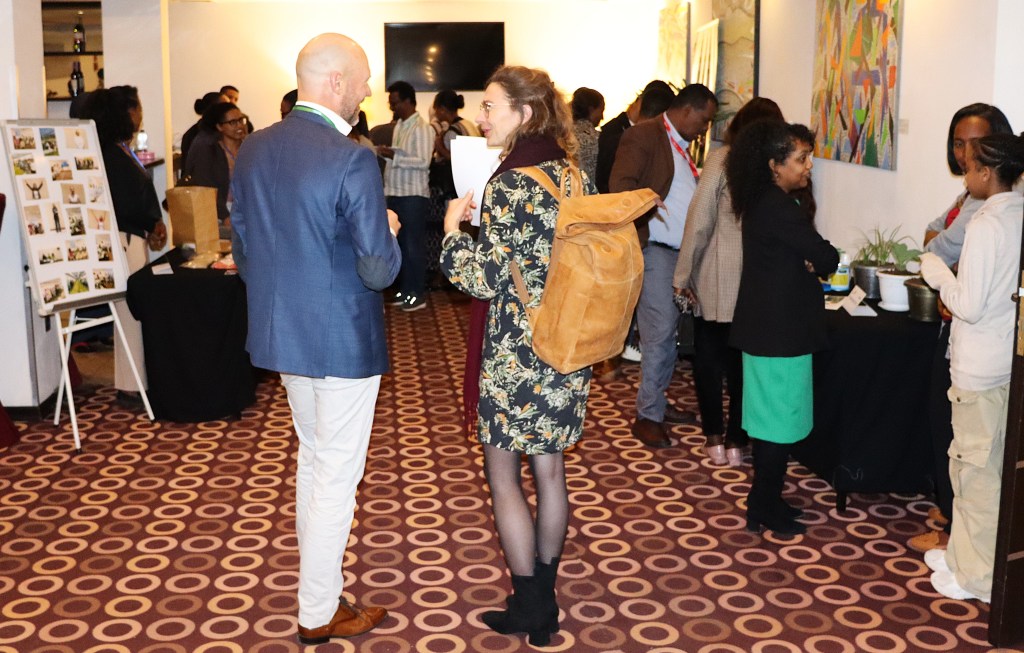
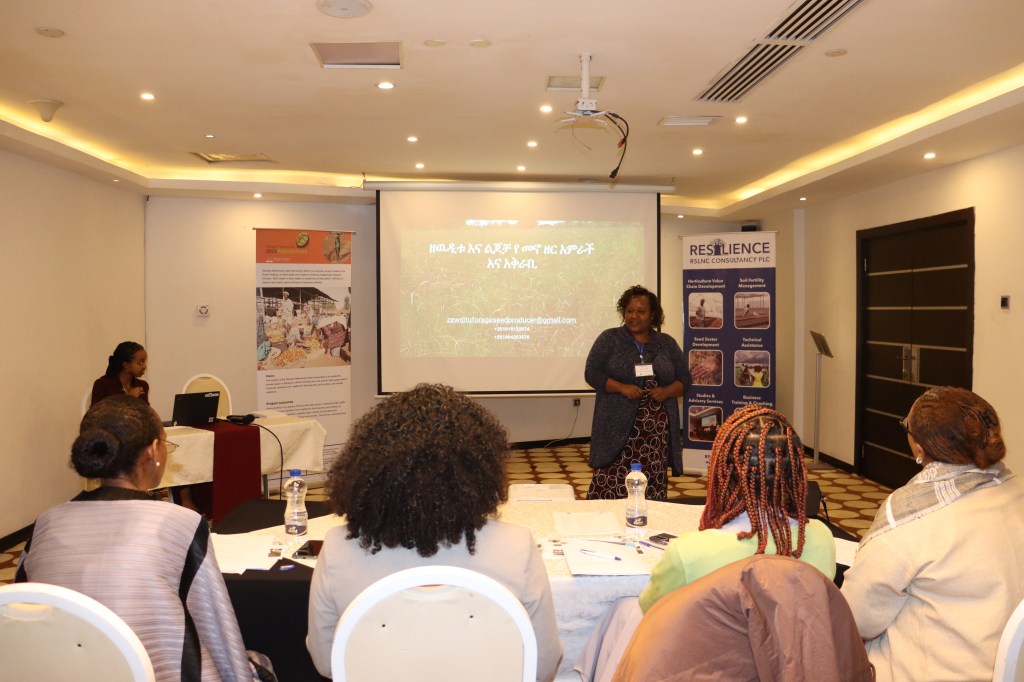
Following the business pitch competition, ongoing support was provided to the winners through follow-up sessions and technical backstopping, as explained by Mekdes Tamirat, a business consultant at Resilience. This strategic approach aimed to ensure that the competition winners could effectively utilize their awards for the expansion of their businesses. The facilitators of the competition recognized the importance of not only acknowledging the winners but also providing them with guidance and support to make informed business decisions.
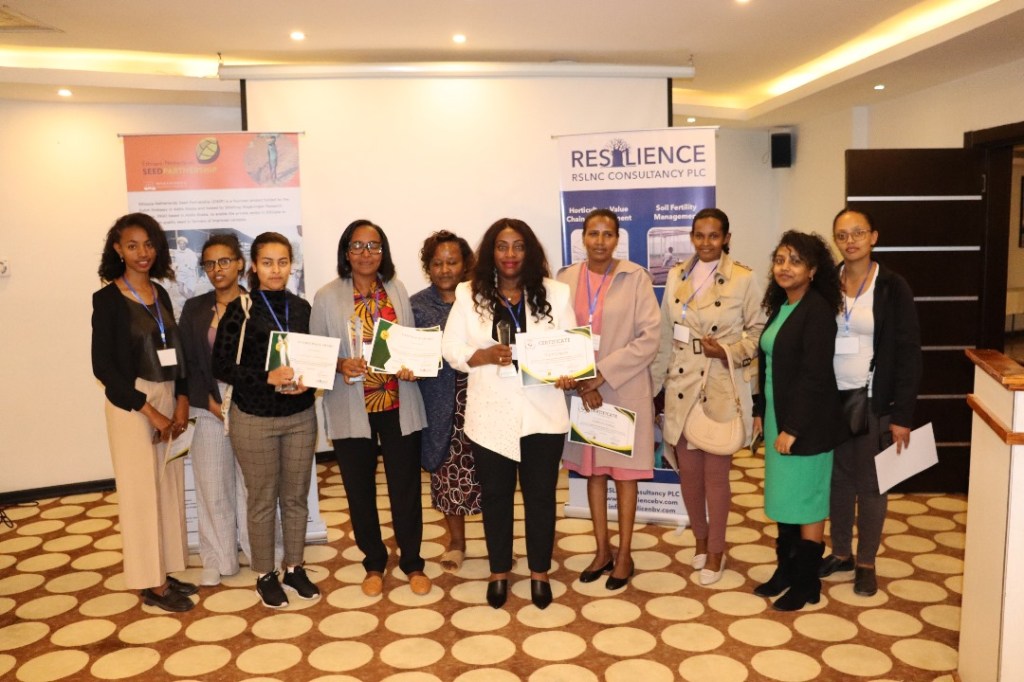
The follow-up sessions offered valuable insights and advice to the competition winners on how to best invest their awards for the growth and development of their ventures. Additionally, the technical backstopping provided further assistance, offering expertise and resources to navigate any challenges encountered during the expansion of their businesses. This proactive post-competition support demonstrated a commitment to the long-term success of women entrepreneurs, beyond just the initial recognition of their achievements.
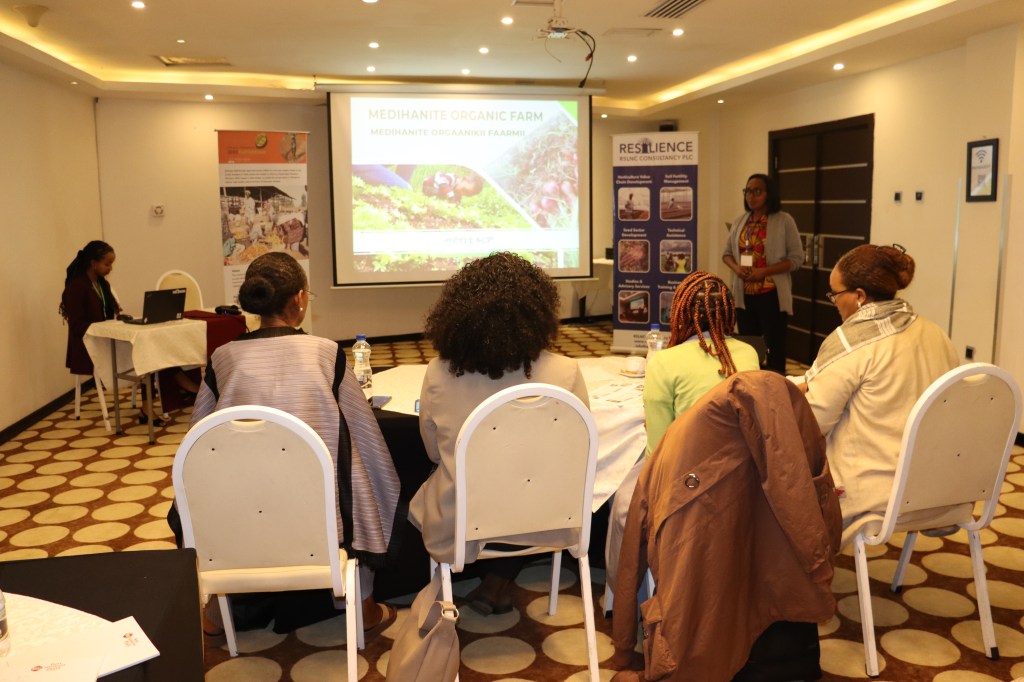
Wudie Ebba, aged 43 and a mother of two, secured first place in the Women-Led Business Incubation Program Pitch Competition. Despite her academic background in Business Management and Accounting, Wudie attributes her profound passion for agriculture to her upbringing as a farmer’s daughter. “My background wasn’t in agriculture, so the training was initially tough,” she admitted. “But with one-on-one coaching and guidance from my trainers, I learned to identify the most fertile soil types, thanks to the help of my agronomist coach.”
As a result of these follow-ups and technical backstopping, it was evident that the competition winners made significant strides in expanding their businesses, effectively utilizing their awards in a strategic and impactful manner. This not only validated the effectiveness of the support provided but also highlighted the potential for continued growth and success for these women-led enterprises.
The success of women entrepreneurs like Wudie Ebba and Kidist Alemu underscores the transformative impact of empowering women in Ethiopia’s agribusiness sector. Their resilience, innovation, and dedication have not only driven individual success but have also contributed to the broader economic development and sustainability of the industry. As more women continue to break barriers and excel in agribusiness, the future holds great promise for inclusive growth and empowerment within Ethiopia’s agricultural landscape.

You must be logged in to post a comment.