

The seed sector in Ethiopia faces a significant challenge due to weak collaboration and coordination among seed sector actors and stakeholders. Recognizing this issue, the then Integrated Seed Sector Development (ISSD) project established a collaborative governance system (regional seed core group) in four regional states in 2010. The achievements of the core group were remarkable, including the establishment of independent regulatory authority and changing seed distribution to seed marketing. In recent years, this collaborative governance system is not as strong as used to be, and in some regions, it has stopped functioning.
In response to this, ENSP has taken proactive steps to re-establish and strengthen this structure in regions where it previously existed and establish a new core group in newly established regions. This is to pave the way for enhancing the seed sector coordination of the country.
As part of this effort, a workshop was conducted on September 2nd, 2024, in Halaba Kulito town with the aim of establishing a seed core group for the newly established Central Ethiopia region. The workshop brought together key stakeholders from various organizations relevant to the seed sector, including representatives from the Bureau of Agriculture, investment bureau, agricultural input regulatory authority, agricultural research institute, universities, seed enterprise, cooperative promotion agency, cooperative unions, agricultural transformation institute (ATI), and ENSP.
In his official opening speech, Mr. Usman Surur, head of the Central Ethiopia Region Bureau of Agriculture at the rank of the Vice President of the region, highlighted the importance of establishing a coordinating committee. He emphasized the region’s potential to learn from the experiences of other regions and stressed the significance of enhancing the seed sector in alignment with the country’s agriculture development strategy. Mr. Usman underscored the country’s agriculture development strategy, focusing on achieving food and nutrition security at the household level, increasing production and productivity, substituting imports, ensuring a consistent supply of raw materials to industries, diversifying export products, and creating employment opportunities for both skilled and unskilled labour within the agriculture sector. He also highlighted the significance of enhancing the seed sector as a means to accomplish these goals, underscoring the need to give due attention to this critical aspect of agricultural development.


Dr. Mohammed Hassena, ENSP project manager, provided an overview of ISSD experiences in enhancing seed sector coordination, emphasizing the identification of root causes of challenges and collaborative efforts with stakeholders to address them. He also highlighted pilot initiatives such as direct seed marketing aimed at generating evidence to gain support from decision makers.
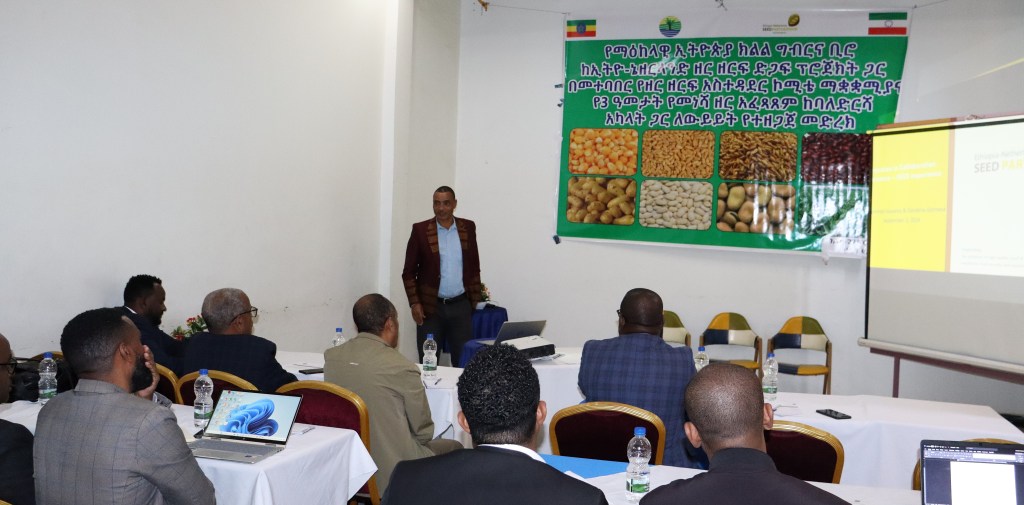
During the workshop, Mr. Mekonnen Gaso presented a comprehensive draft document detailing the rationale for establishing the seed coordinating committee, anticipated deliverables, proposed member organizations, their respective roles and responsibilities, the committee’s functions, and the frequency of meetings to fulfil its obligations. Mr. Mekonnen emphasized the growing need for enhanced and high-quality seed production, underscoring the imperative for robust collaboration and coordination among stakeholders. He stressed the necessity for a capable entity to spearhead coordination efforts, comprising key seed sector participants.
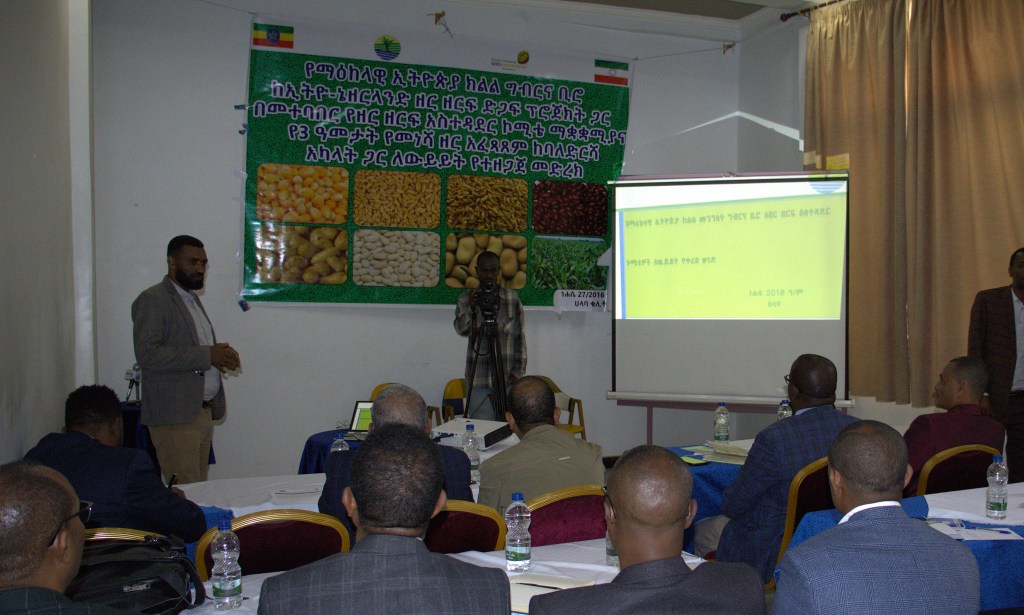
Following the presentations, participants engaged in discussions and provided suggestions on effectively establishing the seed coordinating committee in the region. Emphasis was placed on clearly defining the roles and responsibilities of different organizations having roles in the seed sector.
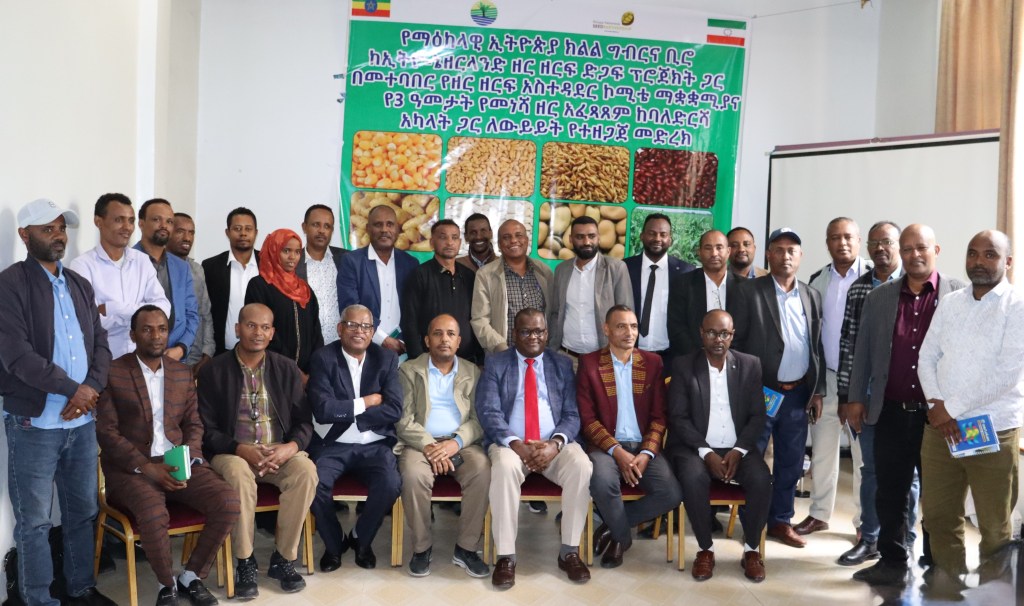
Moving forward, continued collaboration among relevant stakeholders will be essential to transform the seed sector in the Central Ethiopia Region and contribute to the broader goals of agricultural development in the country. The establishment of a robust seed coordinating committee holds promise for driving positive change and progress in the region’s seed sector. However, it requires stakeholders’ full commitment and dedication to discharge their respective roles and responsibilities.

You must be logged in to post a comment.