


The Ethiopia Netherlands Seed Partnership (ENSP) recently convened a workshop in Addis Ababa on September 6th, 2024, to evaluate the progress of the independent variety testing pilot for registration. The primary aim of the workshop was to review the advancements made thus far and to make any necessary adjustments in the remaining period of the pilot.
Dr. Mohammed Hassena, the ENSP project manager, officially inaugurated the workshop and elucidated to the participants the reasons behind ENSP’s support for the pilot. He highlighted that the new seed law has delineated various methods of variety testing for registration, with independent variety testing for registration by the Ethiopian Agricultural Authority being the primary approach. However, due to logistical and qualified human resource constraints within the newly established EAA, ENSP collaborated with EAA to pilot the new variety registration approach. Subsequently, EAA outsourced the service and engaged EIAR to conduct the NPT and DUS test under a tripartite collaboration agreement between EAA, EIAR, and ENSP/SWR, commencing in 2023 for bread wheat candidate varieties submitted by different applicants.
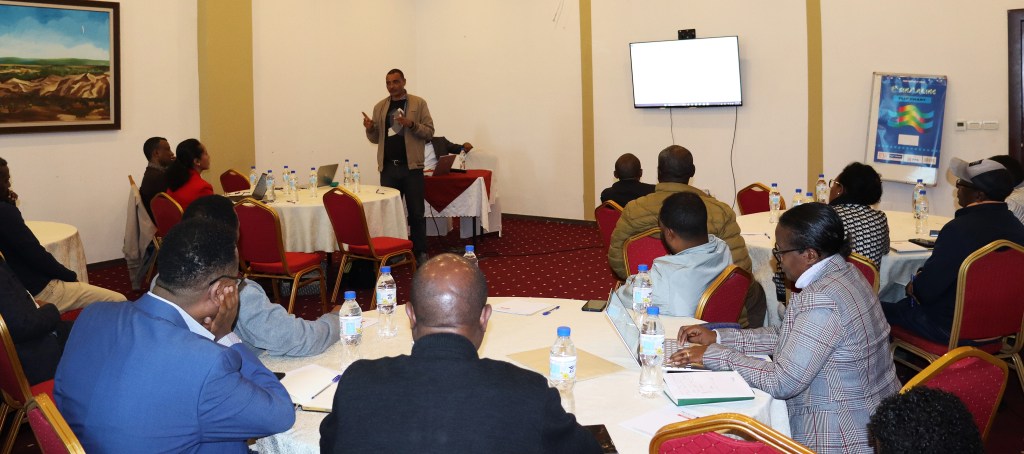
Abdo Woyema, the Enabling Seed Business Senior Expert at the ENSP project, provided a comprehensive overview of the progress achieved to date, highlighting key activities, valuable lessons, and encountered challenges. He underscored the potential of outsourcing as a feasible option when mandated institutions face limitations in delivering certain services. Furthermore, he emphasized the importance for EAA to hire qualified breeders to effectively manage these responsibilities and praised the robust collaboration among research institutes within the country.
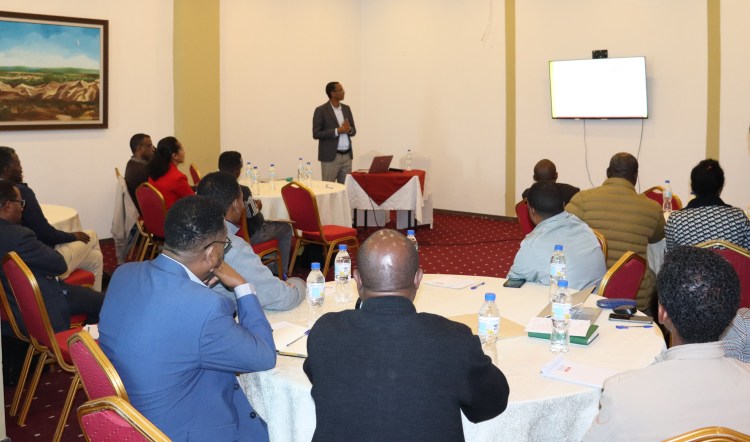
Subsequently, workshop participants engaged in discussions based on the presentations. While they appreciated ENSP’s initiative to support the pilot for new variety testing for registration, they expressed reservations about the sustainability of the initiative due to the observed limited capacity and capability from EAA in terms of qualified human resource, own testing sites and others Participants stressed the need for active involvement of EAA personnel in the implementation of this pilot and recommended that EAA should fulfil the necessary human resource requirements and testing sites to assume responsibility after the pilot phase.
The workshop also addressed some administrative challenges related to financial transfers and settlement issues. Representatives from EIAR acknowledged the gaps and pledged to rectify it.
Additionally, technical issues related to data collection, disease scoring, and other aspects were deliberated upon. It was unanimously agreed to organize capacity building training for personnel at the new research centres. The participants also recommended exposure visits to the DUS and NPT testing sites at different locations to build confidence on the trial management and witness on its output.
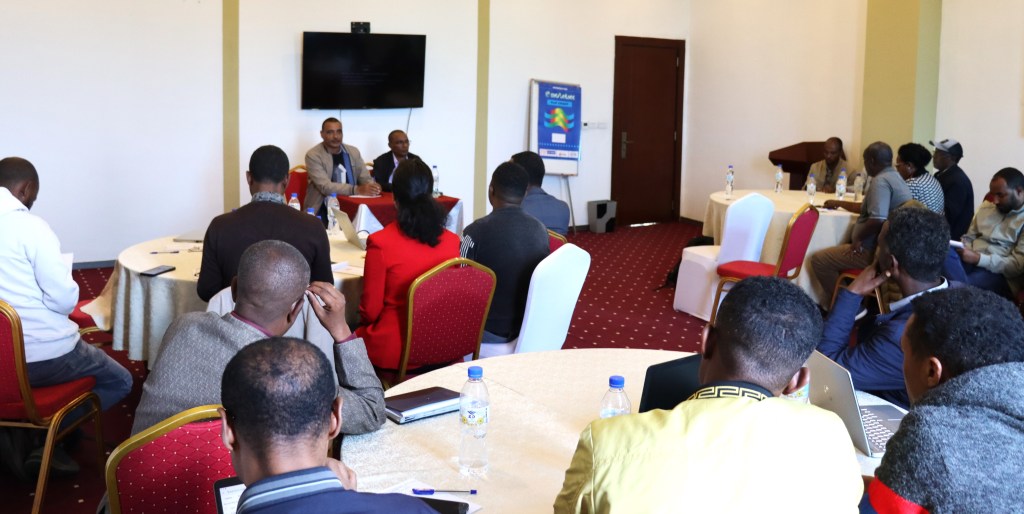
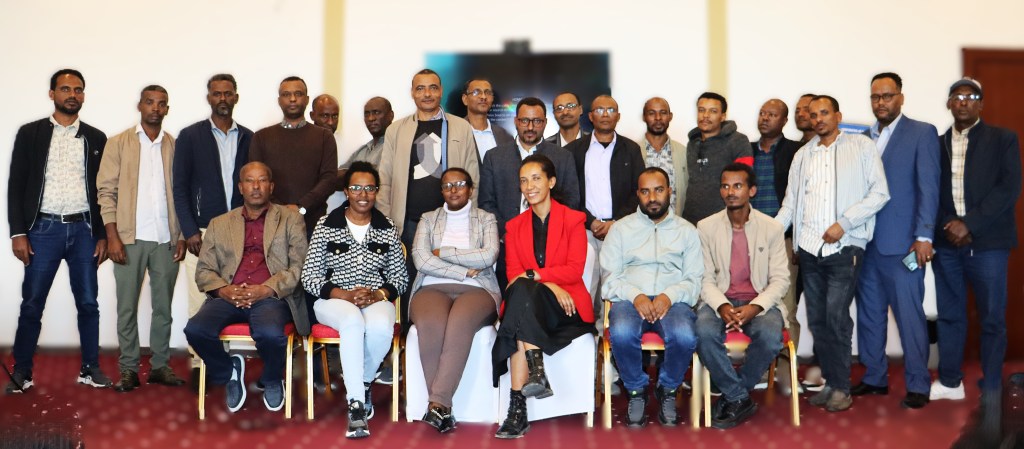
The workshop was attended by breeders from RARIs of Oromia, Amhara, and Central Ethiopia regions, as well as representatives from EAA, EIAR, GIZ, and ENSP.
In summary, the workshop served as a valuable platform for partners involved in the independent variety testing pilot for registration to evaluate the progress made and pinpoint areas for enhancement. There was a shared dedication among participants to tackle obstacles and guarantee the effective execution of the initiative.

You must be logged in to post a comment.