

Ethiopia’s seed sector is a vital component of the country’s agricultural development. However, the sector faces a significant challenge due to weak collaboration and coordination among seed sector actors and stakeholders. Recognizing the importance of addressing this issue, proactive steps have been taken to re-establish and strengthen the collaborative governance system in various regions.
In response to the declining strength of the collaborative governance system, the Ethiopian National Seed Policy (ENSP) has initiated efforts to revitalize this structure in regions where it previously existed and establish new core groups in newly formed regions. The aim is to pave the way for enhanced coordination within the seed sector of the country.
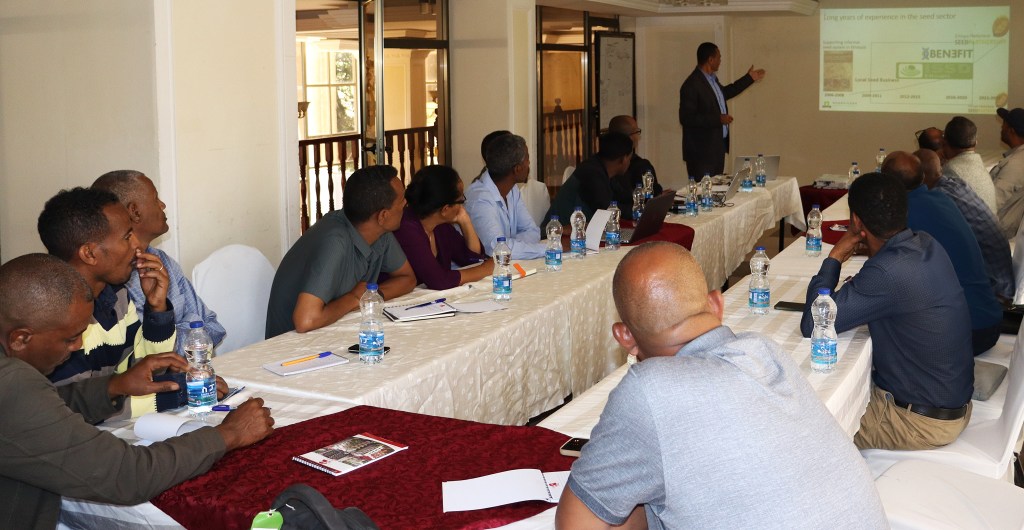
Recently, workshops were conducted in Addis Ababa, Halaba Kulito, and Mekelle towns with the objective of re-establishing the seed core group in Oromia and Tigray regions, as well as forming a seed core group for the newly established Central Ethiopia region. The workshops brought together key stakeholders from various organizations relevant to the seed sector, including representatives from government bureaus, regulatory authorities, research institutes, universities, seed enterprises, cooperative promotion agencies, and international organizations.

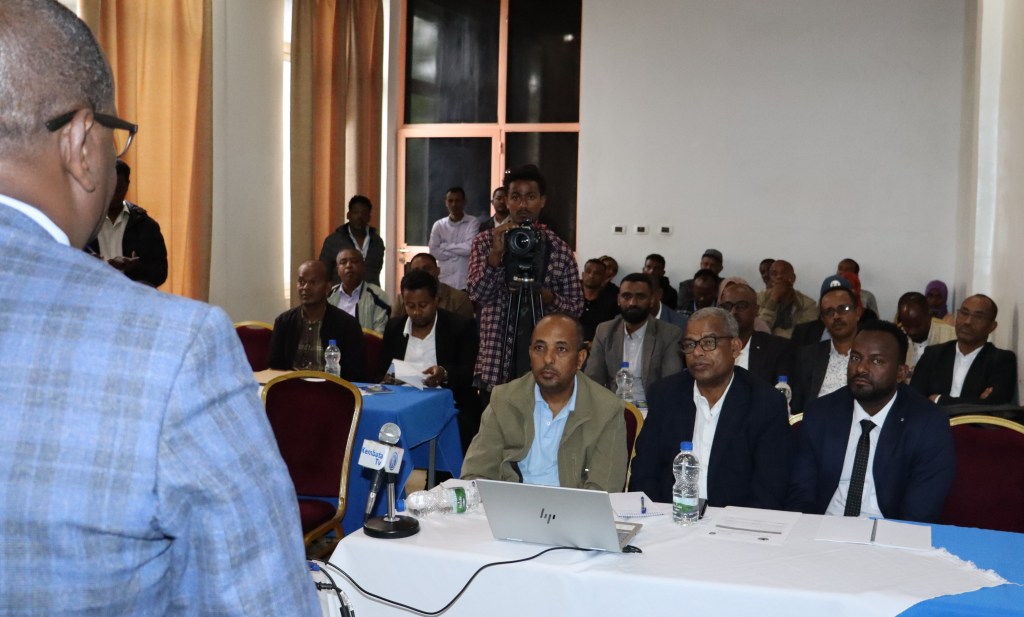
During the workshops, there was a consensus on the importance of establishing a coordinating committee to enhance the seed sector in alignment with the country’s agriculture development strategy. The significance of achieving food and nutrition security, increasing production and productivity, and creating employment opportunities within the agriculture sector was emphasized by officials from the regional bureaus of agriculture.
The workshops also saw presentations highlighting the potential and existing challenges in the seed sector, as well as outlining key focus areas for enhancing the seed system in different regions. It was acknowledged that collaborative efforts with stakeholders are crucial for addressing systemic challenges and driving positive change in the seed sector.
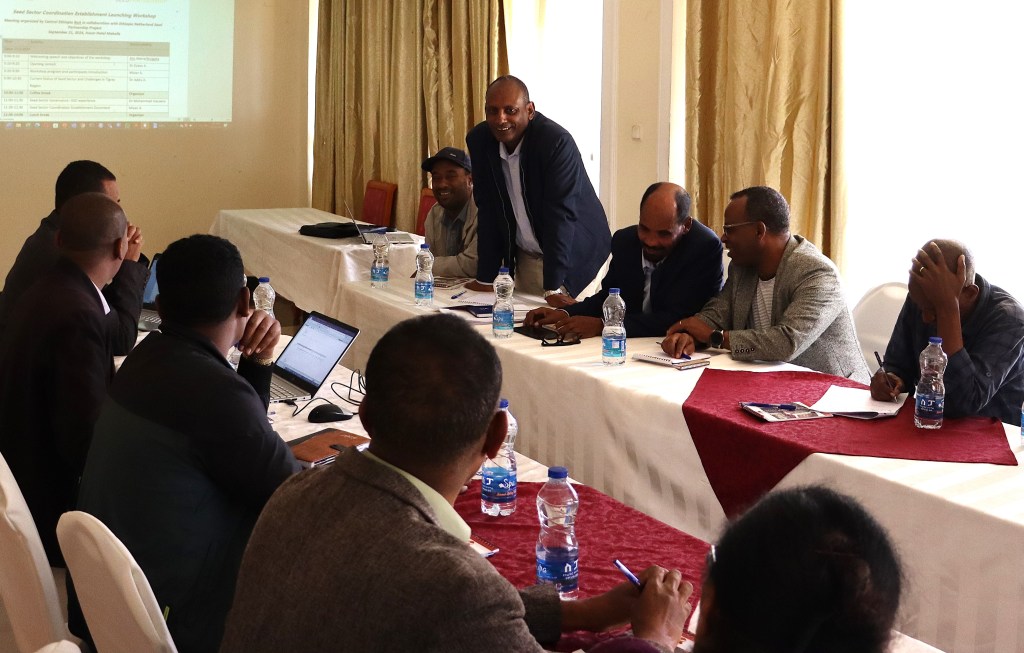
making opening speech, at Mekelle workshop
One of the key outcomes of the workshops was the development of a comprehensive draft document outlining the rationale for establishing the seed coordinating committee, anticipated deliverables, proposed member organizations, their respective roles and responsibilities, as well as the committee’s functions and meeting frequency. This document will serve as a framework for the functioning of the core groups in their respective regions.
It was recognized that further discussions are needed to clearly define the roles and responsibilities of member organizations within the core groups. As a result, small technical teams were formed to refine the document and ensure a common understanding among all stakeholders.
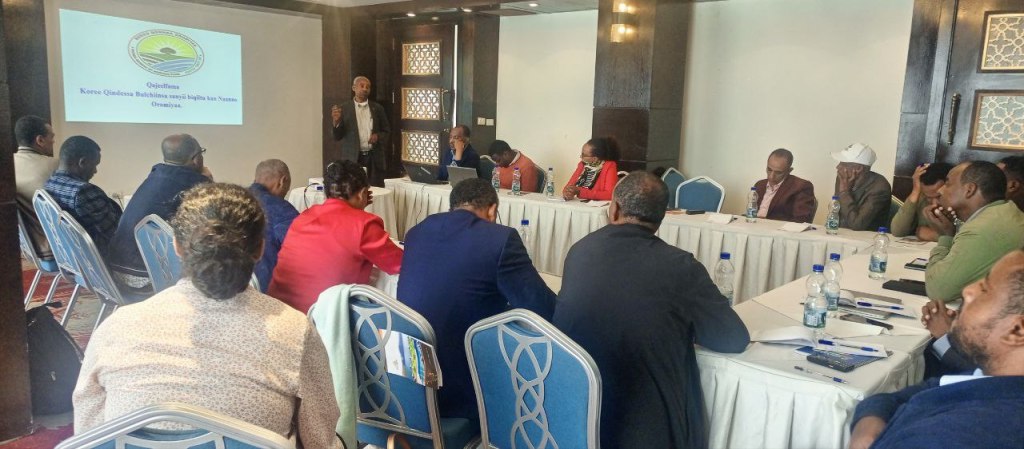

The consensus among regional officials and other stakeholders who participated in the workshops is that the establishment of a strong seed coordinating committee offers significant potential for driving positive change and advancement in the region’s seed sector. However, it is widely acknowledged that this endeavour demands unwavering commitment and dedication from all stakeholders in order to effectively fulfil their respective roles and responsibilities.

You must be logged in to post a comment.