

The Tigray region’s seed sector has faced significant challenges due to the recent conflict, impacting various aspects of the seed system, including seed producer cooperatives, farmers’ saved seed, the seed infrastructure, and essential services to the seed sector. These are in addition to its long-established dependency on seed supply from the other regions. The coordination of the sector has also been disrupted, necessitating its revitalization. As part of an ongoing initiative to enhance seed coordination nationwide, ENSP has recognized the unique circumstances in Tigray and has continued its endeavors to re-establish and strengthen the seed coordinating body in the region.
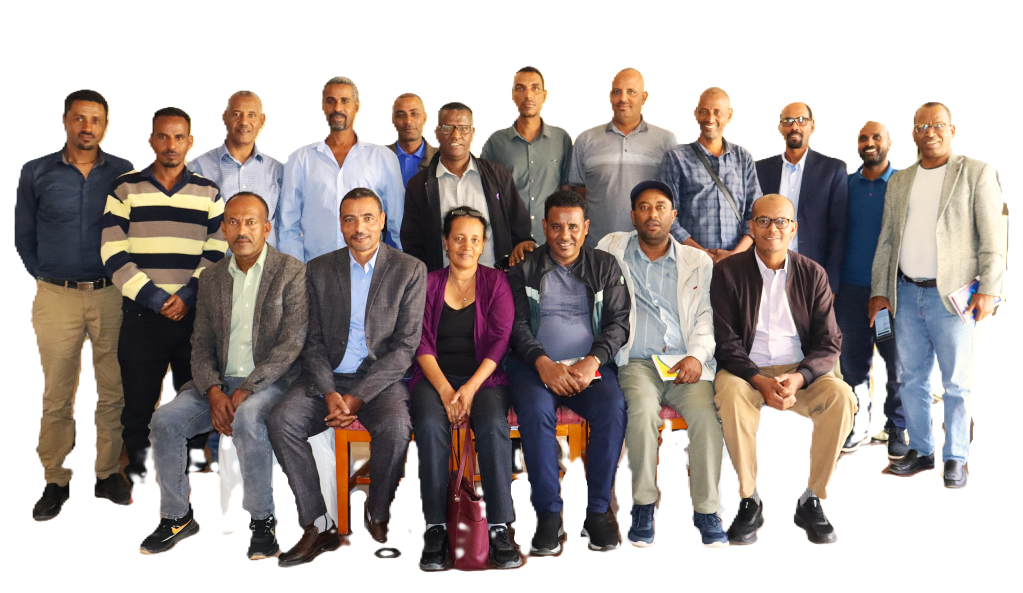
In pursuit of this objective, a workshop was convened on September 21, 2024, in Mekelle town, Tigray Region, with the purpose of re-initiating and strengthening the seed sector coordinating body. The workshop brought together key stakeholders from various organizations relevant to the seed sector, including representatives from the Tigray Bureau of Agriculture and Natural Resource (BoANR), Tigray Agricultural Research Institute, Mekelle University, Seed Enterprises, Reginal Agricultural Transformation Institute (RATI), Relief Society of Tigray (ReST), as well as development partners such as the International Potato Center (CIP), Food and Agricultural Organization of the Unite Nations (FAO), International Committee of the Red Cross (ICRC), and ENSP.
Dr. Eyasu Abrha, Tigray region BoANR head, in his opening speech, underscored the significance of the ENSP’s initiative to bolster the seed coordinating body in the region. He lauded the efforts of the existing seed core group in Tigray and commended ENSP’s commitment to strengthening the group. Dr. Eyasu outlined the region’s key focus areas for enhancing the seed sector, which include the utilization and production of 43,000 quintals of basic seed from EGS, collaboration with TARI and universities for seed multiplication, and engagement with farmers and investors for large-scale seed multiplication. Dr. Eyasu expressed confidence that ENSP’s support would significantly contribute to these efforts.

Dr. Addis Abrha from Mekelle University provided an overview of the seed sector in the region, emphasizing that the informal seed system accounts for more than 80% of the local seed supply. Only 10% of total certified seed supplied to farmers has been produced in the region, even during the normal periods, according to his presentation. He highlighted that prior to the conflict, the sector was in a more favorable state. Dr. Addis also shared insights from the 2014-2020 Seed Sector Development Strategy, indicating an average annual demand for cereal and pulse seed, along with supply and sales figures. He further noted a surplus in supply but cautioned that it did not accurately reflect actual seed demand due to coordination challenges.
Dr. Mohammed Hassena, ENSP project manager, presented an overview of ISSD experience to enhance seed sector coordination, emphasizing collaborative approaches with stakeholders to address challenges. He highlighted system changes such as direct seed marketing aimed at garnering support from decision makers. Dr. Mohammed stressed the need to revitalize and strengthen the existing seed coordinating body in Tigray.
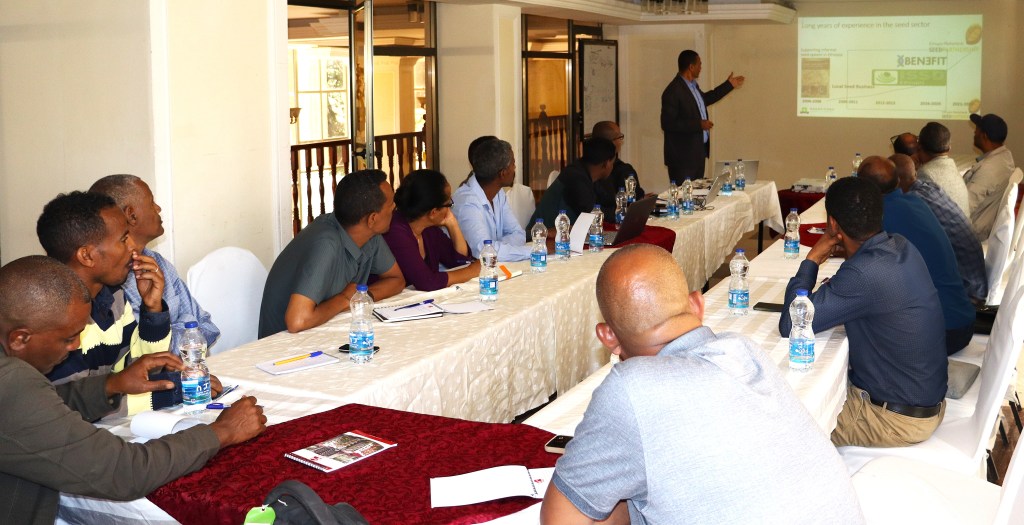
During the workshop, a draft document outlining the rationale for establishing the coordinating committee, proposed member organizations, roles and responsibilities, functions, and meeting frequency was presented by Mr. Mizan Amare based on the direction given by the Ministry of Agriculture.
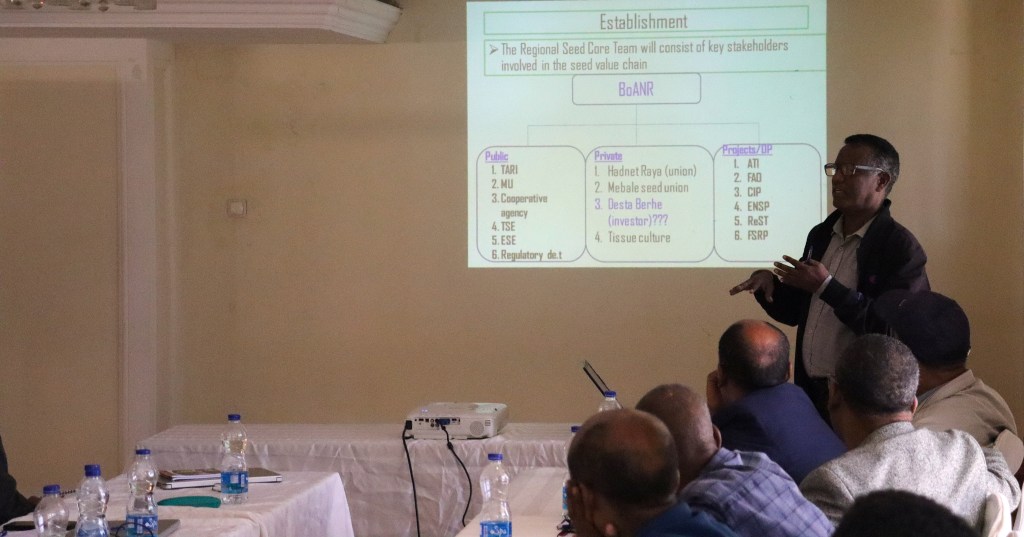
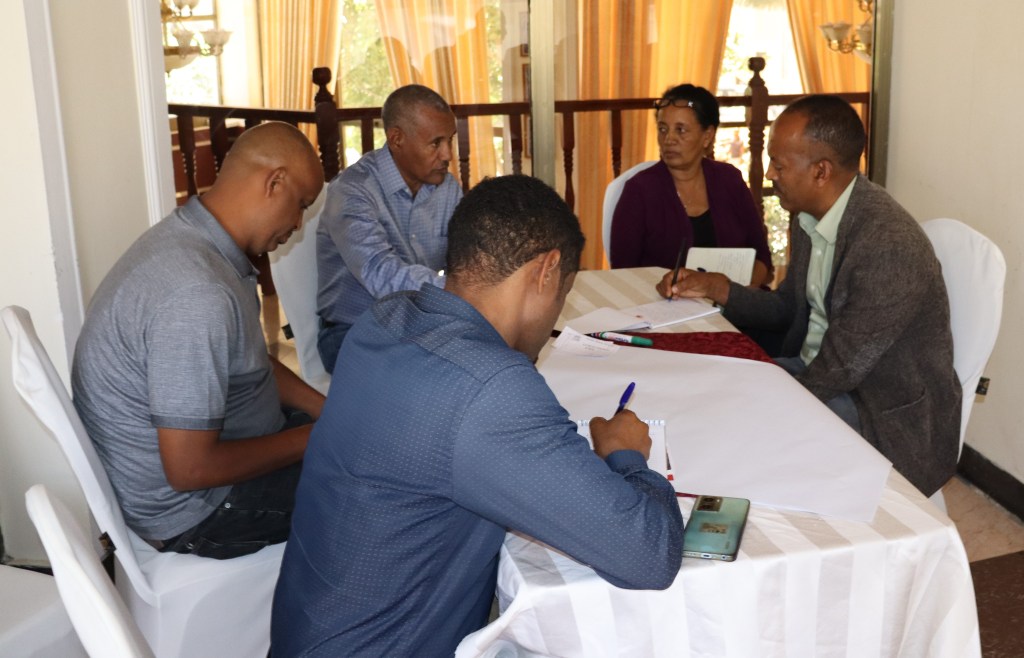
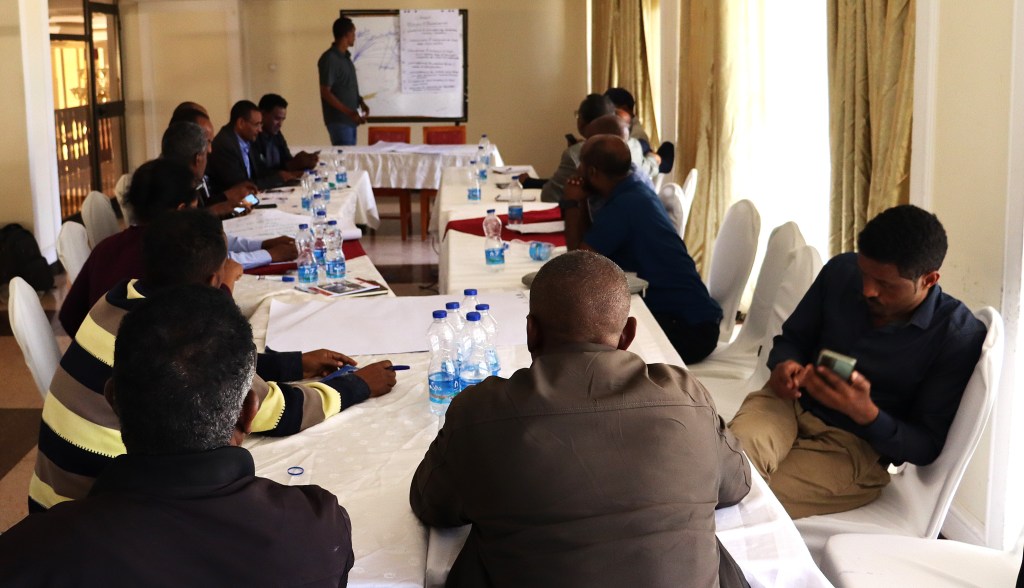
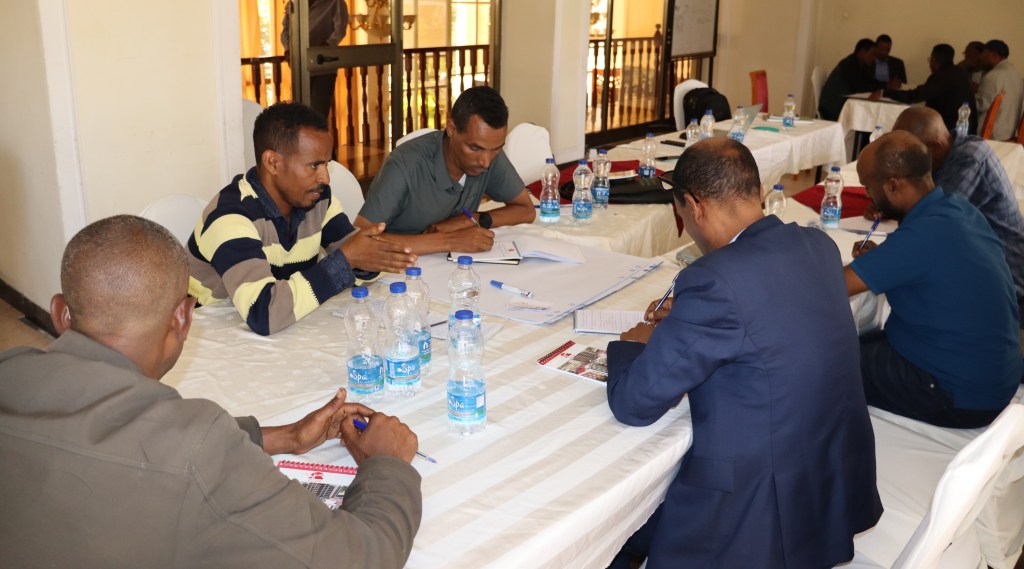
The participants reviewed the initial draft and then engaged in group discussions to determine the primary function of the core group, identify key stakeholders to be included in the group, and outline the roles of the BoANR. Results of the groups’ discussions were presented and deliberated upon in order to refine and establish a common understanding. It was acknowledged that the presented and discussed material is not final, and that further discussions are needed to clearly define the roles and responsibilities of member organizations. As a result, a small technical team was formed from the participants to further develop the points discussed and to share the refined document within two weeks.
Looking ahead, continued collaboration among relevant stakeholders in the Tigray region will be essential for transforming the seed sector and contributing to broader agricultural development goals in the region. The re-initiation of the seed core group in Tigray following the conflict shows potential for revitalizing coordination in the region’s seed sector, as long as stakeholders remain committed and dedicated to fulfilling their roles and responsibilities.

You must be logged in to post a comment.