

In a bid to revitalize the Amhara region seed sector, a workshop was held in Bahir Dar city on November 19, 2024, focusing on strengthening the Amhara region’s seed core group. This initiative is part of the Ethiopian Seed Partnership’s (ESP) ongoing efforts to enhance collaboration and coordination among key stakeholders in the seed industry.
The workshop brought together key players from various organizations integral to the seed sector. Among the attendees were representatives from the Bureau of Agriculture, agricultural input regulatory authority, agricultural research institute, Ethiopian Agricultural Businesses Corporation, private seed producers representative, Amhara Seed Enterprise, Cooperative Promotion Agency, and ESP. These actors are already part of the regional seed core team, which is functional in the region.
The workshop was inaugurated by Ajebe Sinshaw, deputy head of the Amhara Bureau of Agriculture. In his opening remarks, Ajebe commended the contributions of the former Integrated Seed Sector Development (ISSD) project and the current ESP project in enhancing the region’s seed sector.
Tilaye Mogesie from the Amhara Bureau of Agriculture presented a comprehensive overview of the region’s seed sector, highlighting its immense potential due to vast productive land and human resources. Despite the increasing number of seed companies and improved seed production, usage remains limited to less than ten percent. Tilaye pointed out several contributing factors, such as limited availability of Early Generation Seed (EGS), quality issues, land, and inadequate financial services for seed businesses. He emphasized the necessity of strong coordination and collaboration among stakeholders to overcome these hurdles.
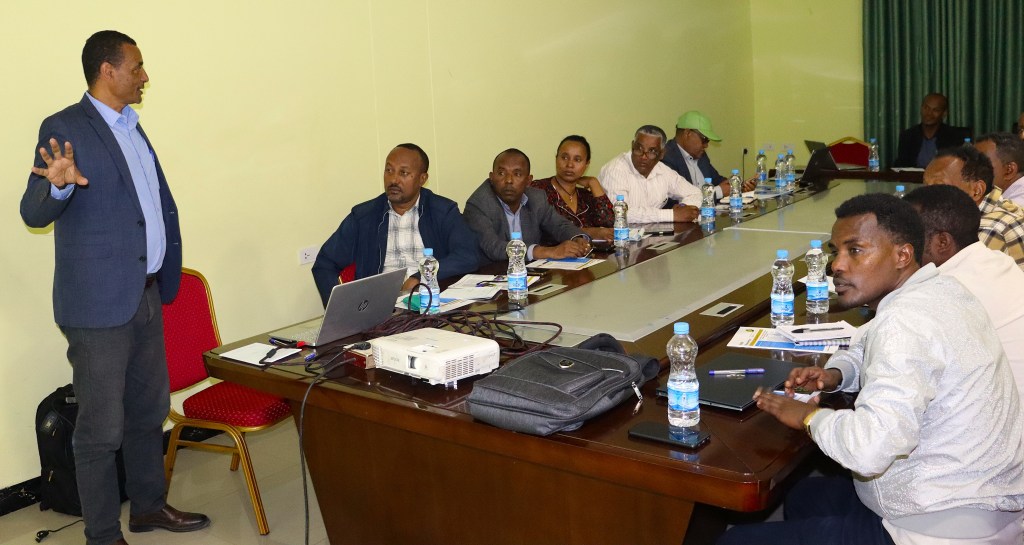
Mohammed Hassena (PhD), ESP project manager, shared insights from ISSD’s experiences in improving seed sector coordination. He underscored the importance of identifying root causes of challenges and fostering collaborative efforts with stakeholders. Dr. Mohammed also highlighted pilot initiatives such as direct seed marketing, which have been crucial in generating evidence to support decision-making processes. He commended the Amhara region for pioneering these pilots and realizing positive advancements.
Discussions during the workshop focused on strategies to bolster coordination and governance within the region’s seed sector. Participants acknowledged the significant impact of ISSD in establishing a regional seed core team and developing a strategic document that remains in use. Some of the participants looked back on the efforts and recognized that still a lot remains to achieve the target. Some of the recognitions include the extent to which the regulatory is autonomous and why DSM has not included other crops except maize. Participants emphasized that while resources are available, a coordinated seed system is crucial—an area where the ESP project can support. Contributions from participants included suggestions for enhancing systemic issues, including seed system governance, enhancing the national and regional seed sector databases to reduce carryover seeds, and addressing all commodities (forage seed, horticultural crop seed/seedlings, and oil crops) that are currently being developed.
Representatives from Amhra Seed Enterprise and the region’s regulatory authority praised the support provided by former ISSD and current ESP projects in building laboratory equipment and human resource capacity. Dr. Mohammed reassured participants of the project’s commitment within its capacity to fostering skilled professionals and capacitating stakeholders within the seed sector. He emphasized that ESP would continue to support initiatives that enhance the supply of skilled manpower, which is crucial for the sustained development and efficiency of the seed sector.
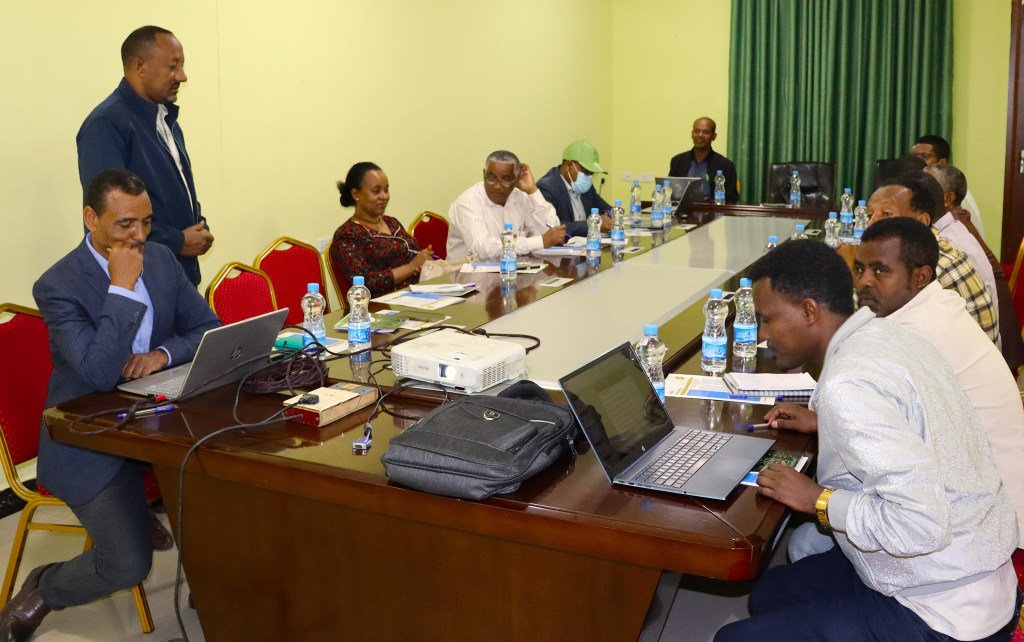
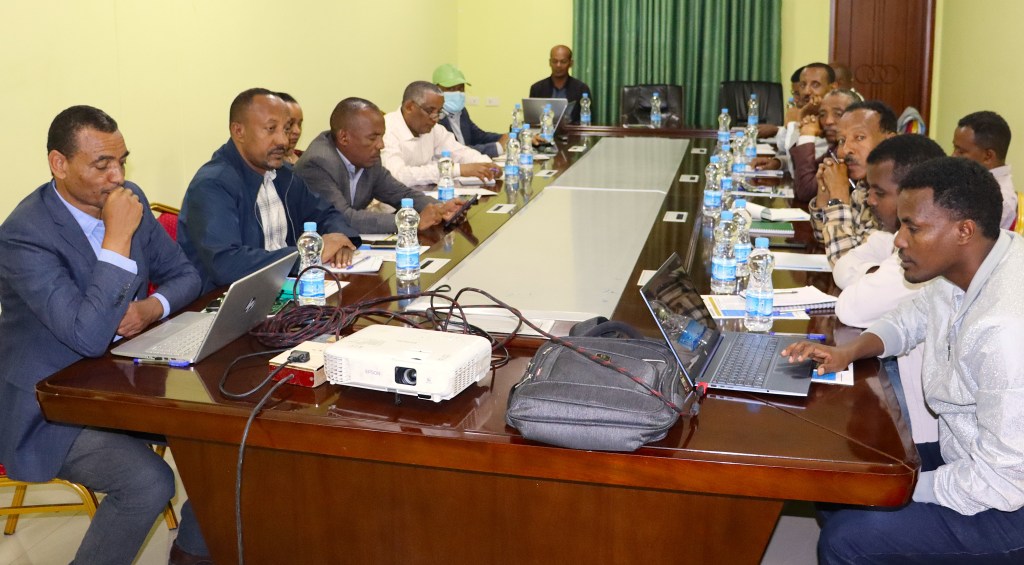
Ajebe Sinshaw concluded the workshop by establishing a team among the participants to develop guidelines that define how seed should be produced, marketed, regulated, and coordinated, as well as the timelines for implementation. He proposed Amhara Research Institute chair the committee and suggested that the committee submit its report by the end of the first week of December 2024. Ajebe emphasized the bureau’s strong commitment to this endeavour and underscored the importance of ongoing project support, particularly in facilitating the development of a robust database and enhancing human resource capacity.

You must be logged in to post a comment.