
In a strategic effort to enhance seed production capabilities amidst the challenges posed by conflict, disaster, and climate change, the Ethiopian Seed Partnership (ESP) has announced the expansion of its initiative in Ethiopia. This development aims to strengthen humanitarian efforts by aligning initiatives to positively impact local seed system developments through targeted interventions.
The expanded initiative emphasizes market-based responses and the establishment of strategic seed reserves to support the development of climate-resistant crop varieties. Additionally, the plan includes the reconstruction of strategic assets in areas where conflict has disrupted services. ESP is collaborating with Haramaya and Mekelle Universities to assist eleven selected local Seed Producer Cooperatives (SPCs) in producing and supplying of seeds for climate-resilient crop varieties in these areas.
To mark the commencement of this initiative, launching workshops were held in Mekelle and Harar on December 6 and 11, 2024, respectively. Themed “Strengthening Seed Producer Cooperatives (SPCs) to Hasten Quality Seed Production and Supply,” the workshops aimed to introduce the implementation plan, strategize activities, and foster collaboration among stakeholders and partners.
Dr. Eyasu Yazew, Vice President for Research and Community Engagement at Mekelle University, inaugurated the Mekelle`s workshop. He underscored the importance of collaboration among various partners to advance seed sector development, emphasizing the need for training and infrastructure rebuilding to enhance quality seed production and supply capabilities. Dr. Yisihak Yusuf, Vice President of Research and Community Development at Haramaya University, opened the workshop at Harar, highlighting that the ESP initiative will assist farmers and their cooperatives in overcoming challenges to enhance their capacity to produce improved seeds demanded by the community in both quantity and quality. He expressed his confidence that supporting the private sector will significantly contribute to the production and supply of quality seeds.


Dr. Mohammed Hassena, ESP Project Manager, presented the project’s objectives, emphasizing the necessity of supporting SPCs in Hararghe of Oromia and Tigray regions due to challenges faced and their promising performance in local seed business development. He highlighted the impact of manmade and natural disasters on the seed sector in these regions and stressed the need for strategic planning to ensure sufficient seed production.


Project team members Kidane and Kemal provided insights into the historical development of the local seed business in Tigray and East Hararghe areas. They acknowledged prior interventions by the ISSD project that were instrumental in establishing SPCs but noted that conflict and natural stresses had adversely affected their progress.
The workshops outlined ESP’s plans to support selected cooperatives through technical training, infrastructure reconstruction like seed stores, and providing seed facilities via co-funding. Collaboration with regional stakeholders is key to making this support impactful and sustainable.
Participants engaged in discussions to identify current challenges faced by the SPCs and explore potential collaboration areas for joint engagement. Key issues highlighted included financial access limitations, seed storage problems, credit shortages, insufficient inspection services, market linkage, and high prices for early-generation seeds (EGS).
Various stakeholder organizations that participated in the events expressed their recognition of the platform and its underlying initiative. They acknowledged the challenges highlighted by the participants and committed to providing technical support, early-generation seeds, and training opportunities. Furthermore, they pledged to assist in infrastructure development through co-funding mechanisms and enhance access to agricultural machinery to ensure the sustainability of the initiative.
The workshops in Mekelle and Harar highlighted the importance of collaboration in Ethiopia’s seed sector. Dr. Teklay Abebe from TARI commended ESP’s support in Tigray, while Bonsitu Ibrahim, East Hararghe Cooperative Promotion office head, emphasized the benefits of producing quality seeds locally through selected SPCs, addressing past challenges of delays and quality issues.

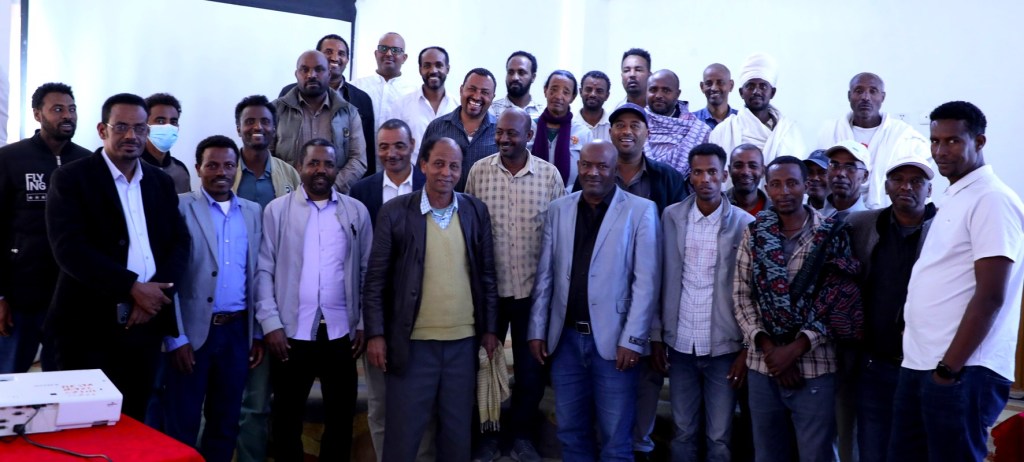
The events gathered key governmental and non-governmental stakeholders in both regions, including representatives from Seed Producing Cooperatives, Seed Unions, Seed Enterprises, the Bureau of Agriculture (BoA), research centers, Tigray Agricultural Research Institute (TARI), Mekelle University (MU), Haramaya University Agricultural Transformation Institute (ATI), the International Committee of the Red Cross (ICRC), Mercy Corps, Care Ethiopia, and Hararghe Catholic Secretariat (HCS).

You must be logged in to post a comment.