
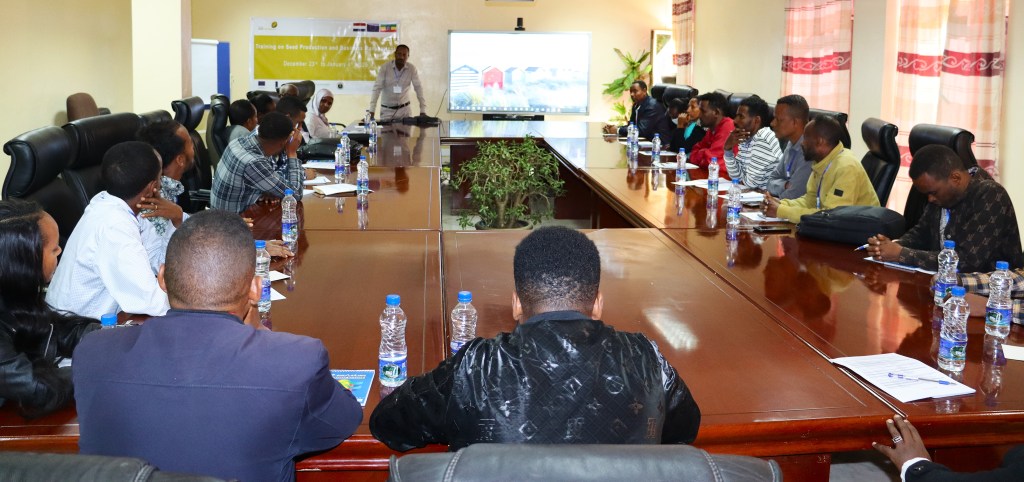
In a bid to address critical skilled manpower gaps in Ethiopia’s seed sector, Haramaya University, in collaboration with SWR Ethiopia ESP project, has launched a short-term training program aimed at enhancing the skills and knowledge of seed professionals across the country. The initiative seeks to tackle challenges related to the availability of qualified professionals and the dynamic nature of the seed industry.
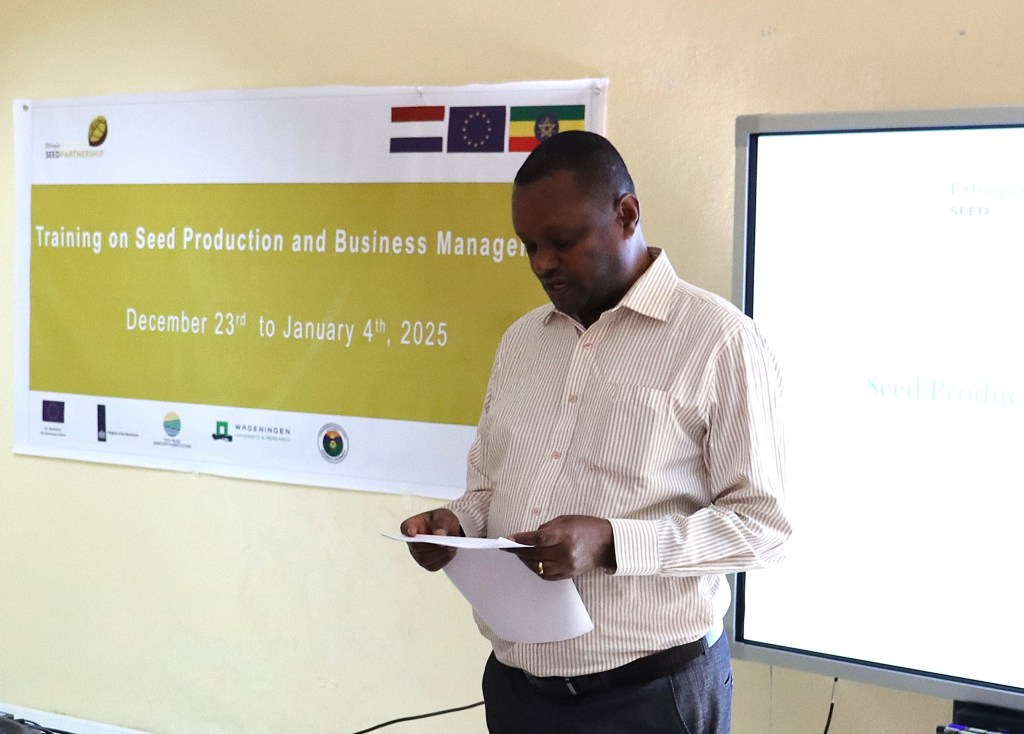
During the opening ceremony, Dr. Yehyes Bogale, Director of the Registrar Office and delegate of the Vice President for Academic Affairs of Haramaya University, emphasized the significance of the seed sector in transforming agriculture and ensuring food security in Ethiopia. He noted that despite its critical role, the seed sector faces hurdles in meeting the demand for improved quality seeds. “Proper intervention is needed to address these challenges, and enhancing the availability of skilled manpower is crucial,” Dr. Yehyes remarked. He further noted that need assessments and tracer studies conducted by Haramaya University revealed a professional gap that necessitates customized short-term training programs. Dr. Yehyes expressed his gratitude for the collaborative efforts of the university, the SWR Ethiopia ESP project, and the trainees in bringing this initiative to fruition.
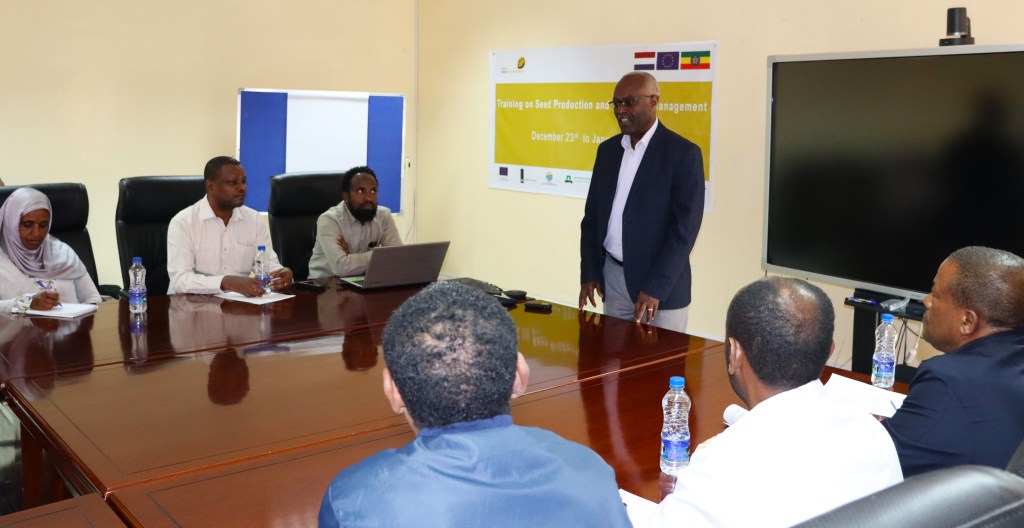
Dr. Mulugeta, a delegate representing SWR Ethiopia, delivered a keynote speech highlighting the importance of the program. He stressed that the training is designed to refresh and enhance the expertise of professionals working in the seed sector, aligning their skills with the evolving regulatory framework and industry demands. “This program will serve as an eye-opener for Haramaya University to recognize the potential of organizing such training initiatives,” Dr. Mulugeta stated. He also mentioned that ESP is providing technical and financial support for the first two rounds of training, with hopes that the university will sustain the program independently thereafter.
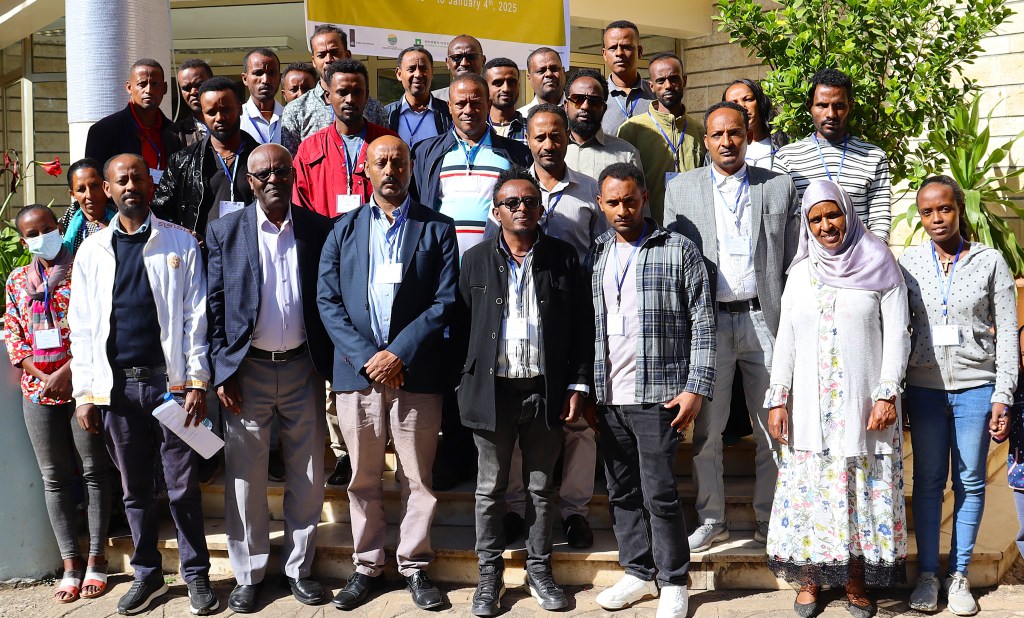
The first batch of trainees includes 20 professionals from Ethiopia’s seed sector, representing a diverse range of key stakeholders, including public and private seed producers, agricultural research institutions, Haramaya University, and cooperatives or unions. The training covers three modules and aims to equip participants with enhanced knowledge and skills to better serve their organizations and contribute to the development of the seed industry.
The first module, “Seed Production and Business Management,” focuses on seed processing, seed policies, and business management strategies. The second module, “Seed Quality Assurance,” delves into seed certification, quality assurance processes, and regulatory frameworks. The third module, “Governance for Seed Sector Development,” addresses topics such as seed system development, marketing, international trade, and global seed regulations.
Unavailability of seed related short-term training programs in Ethiopia has been a long-standing challenge for the sector. This initiative not only addresses this gap but also reflects ESP’s commitment to improving seed production, regulation, marketing, and policy through capacity-building efforts. By fostering a skilled workforce, this program is expected to play a pivotal role in advancing Ethiopia’s agricultural transformation and ensuring food security.

You must be logged in to post a comment.