

Two consecutive workshops were held in the Sidama and Benishangul Gumuz regions to establish regional seed sector coordination committees. These workshops, conducted on December 21, 2024, in Hawassa (Sidama) and December 23, 2024, in Assosa (Benishangul Gumuz), aimed to address critical challenges in the seed sector and pave the way for improved coordination and self-sufficiency in seed production.
Opening Remarks: A call for regional seed self-sufficiency
In Sidama, the workshop was started by HE Memmiru Moke, Regional BoA Head, who emphasized the vital role of quality seeds in enhancing agricultural productivity and economic development. He highlighted the region’s current reliance on external seed sources amidst logistical challenges and security concerns. Memmiru underscored the urgent need for a coordinated approach to achieve regional seed self-sufficiency.
Similarly, in Benishangul Gumuz, Fikru Abuna, representing the Deputy Head of BoA, stressed the significance of quality seeds for farmers and the region at large. He called for strengthened support to local seed producers to facilitate both production and certification processes. Fikru expressed optimism about the potential of the newly established seed coordination committee in addressing these challenges.
Presentations unveil regional seed sector challenges
Presentations highlighted significant challenges in the seed sectors of the Sidama and Benishangul Gumuz regions. In Sidama, only 22% of seed demand was met in 2023/24, with systemic inefficiencies like unplanned production, leftover seeds, and a critical shortage of Early Generation Seed (EGS) limiting certified seed production despite high demand. In Benishangul Gumuz, only 7.2% of seed needs were fulfilled, hindered by a lack of post-harvest processing infrastructure and over-reliance on federal seed allocations, further exacerbating supply-demand mismatches. Hybrid maize dominated supply in both regions.
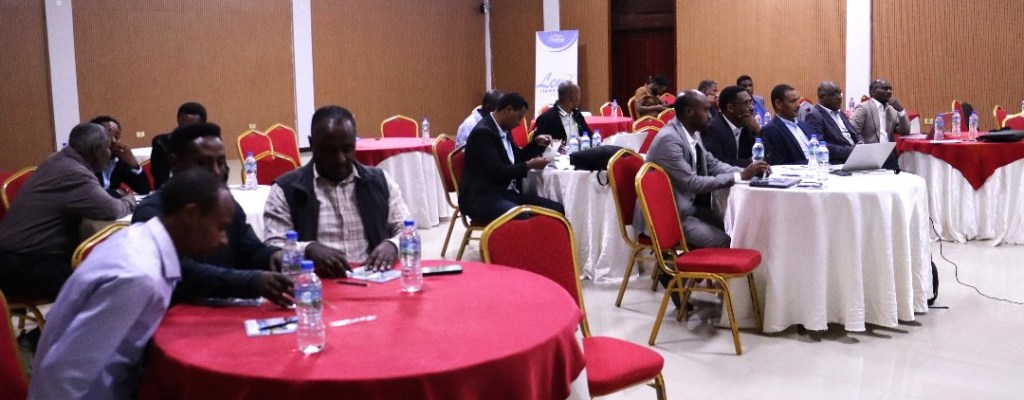
Insights from experts: Patience and Collaboration Key to System Change
Dr. Mohammed Hassena, ESP Project Manager, shared valuable insights from ISSD’s experience in improving seed sector coordination. He emphasized that addressing systemic challenges requires patience, collaboration, and a gradual approach to transformative change.
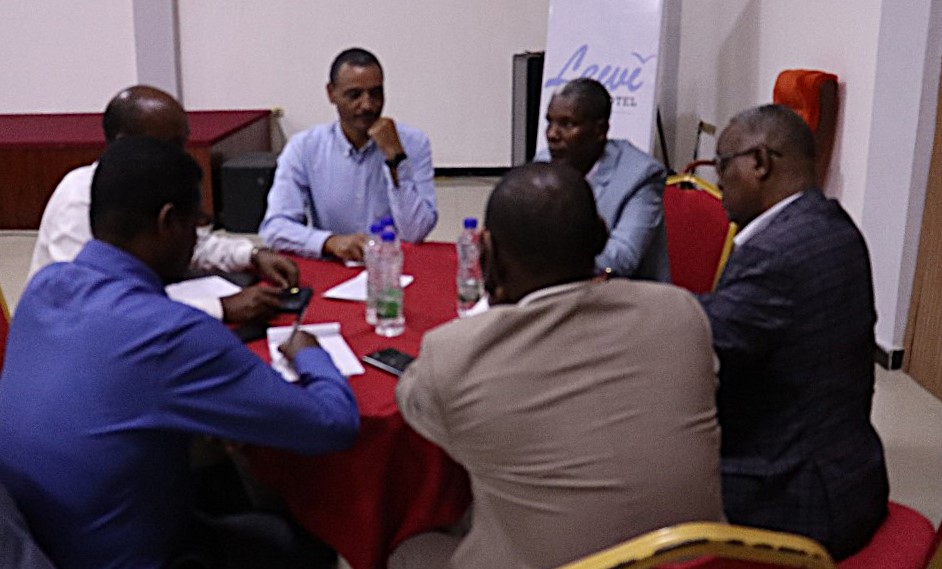
Additionally, draft documents outlining the structure, roles, and responsibilities of the Coordination Committees were presented by Mr. Legesse Hankarso (Sidama) and Mr. Fikru Abuna (Benishangul Gumuz). In addition to the structure and roles of the committee, the roles and responsibilities of major actors of the seed sector were identified by the workshop participants paving the way for effective collaborative sector governance.
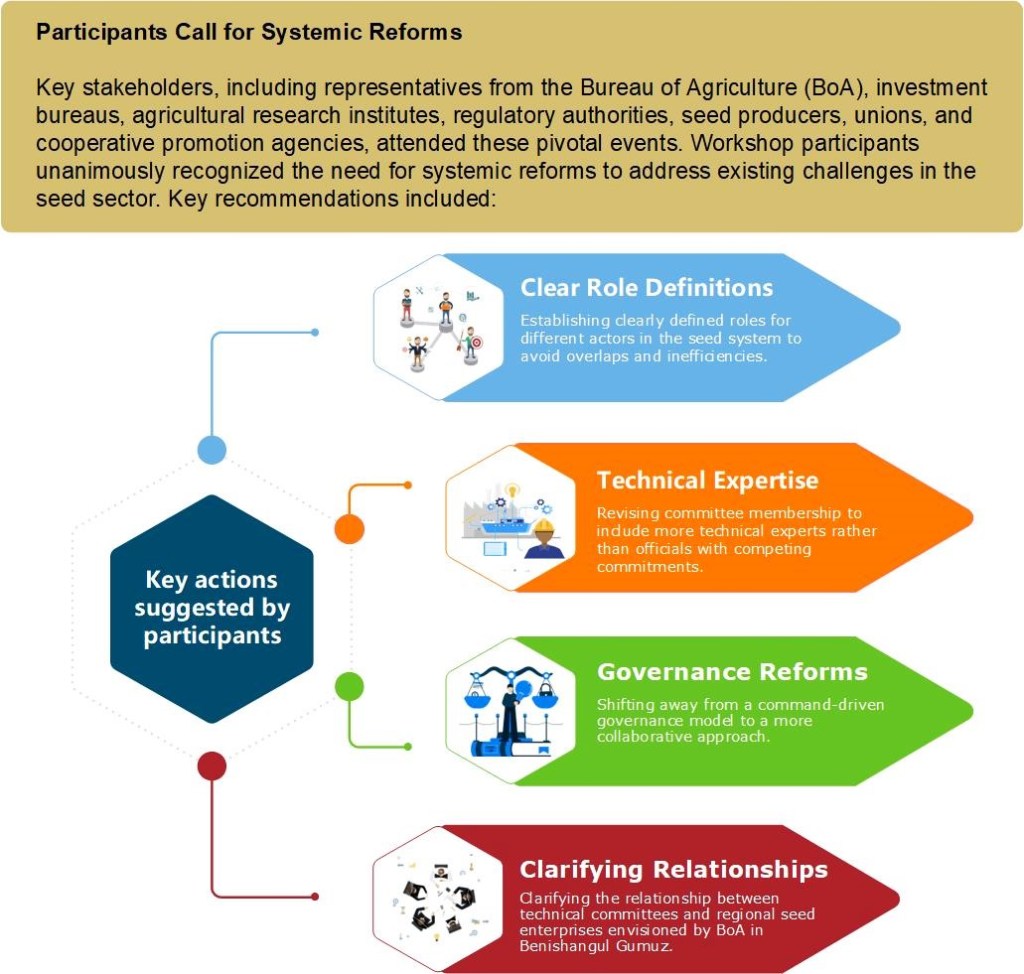
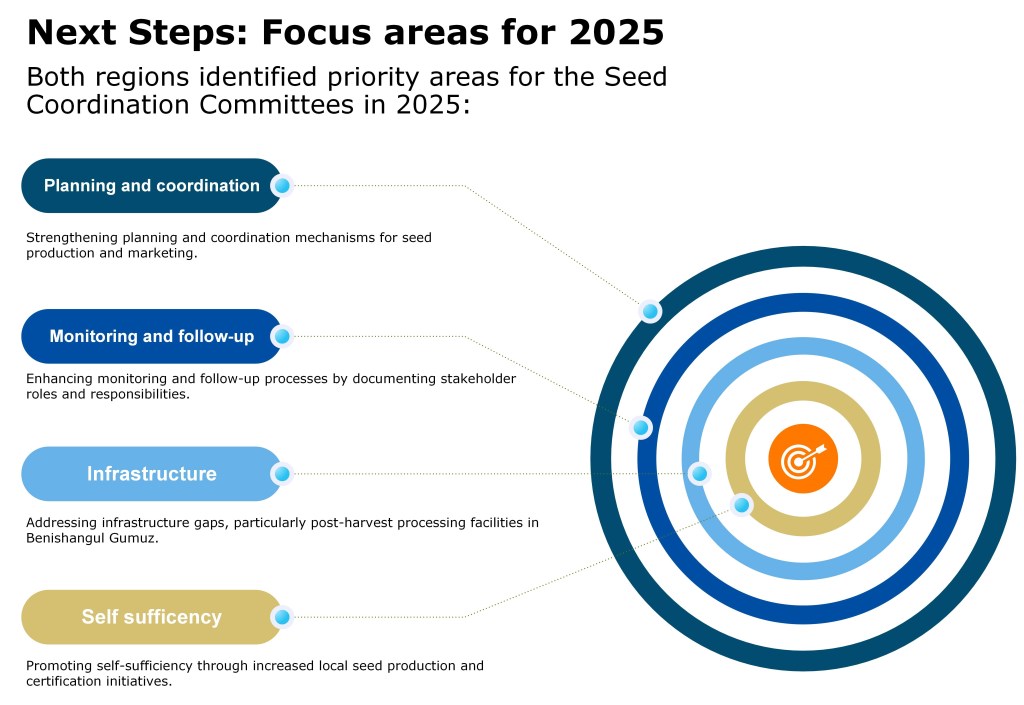
The establishment of these committees marks a significant step toward transforming the regional seed sectors in Sidama and Benishangul Gumuz. With concerted efforts from all stakeholders, these regions are poised to overcome systemic challenges and achieve sustainable agricultural growth.

You must be logged in to post a comment.