

In an effort to tackle the persistent issue of counterfeit seeds in Ethiopia, the use of barcode technology for seed certification has gained significant momentum. Originally piloted in 2024, this innovative system has proven to be a game-changer in ensuring seed authenticity, strengthening regulatory efficiency, and enhancing farmer confidence. The Ethiopian Seed Partnership (ESP) has been at the forefront of this initiative, coordinating and supporting regulatory authorities fight to combat seed counterfeiting with remarkable success.
A promising start and encouraging results
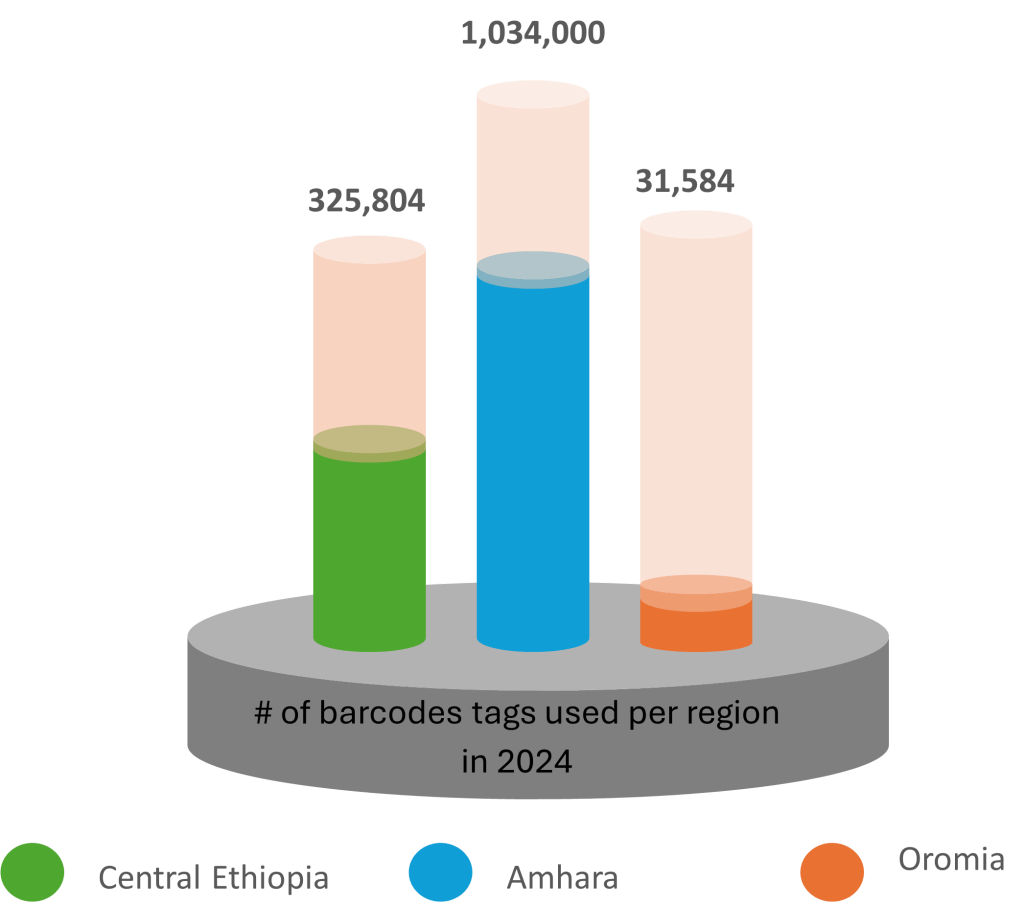
The pilot program began with hybrid maize, a crop particularly vulnerable to counterfeiting, and was implemented in three regions: Amhara, Oromia, and Central Ethiopia. Each region implemented the system differently, showcasing the flexibility of the technology. Amhara emerged as a leader in utilizing a large number of barcode tags, while Central Ethiopia became a pioneer by applying the system to all crops. Oromia adopted a hybrid approach, using both traditional tagging and the new barcode system simultaneously.
The progress has been faster than anticipated, with significant advances in resource allocation, institutionalization, and financial investment. By January 2025, ESP hosted a review workshop to assess the pilot’s progress and challenges. During this event, regional regulatory authorities shared insights on their implementation experiences, highlighting both successes and areas for improvement.
Progress and experiences
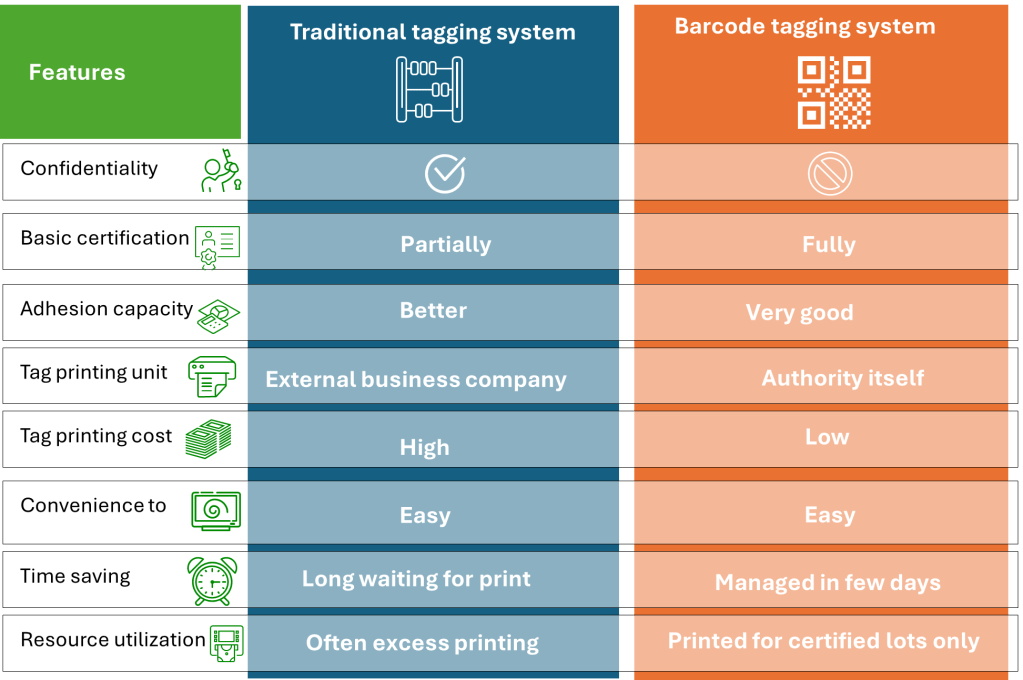
Participants at the workshop noted several advantages of barcode tagging over traditional methods. The system has significantly reduced reports and complaints from farmers and seed companies about counterfeit seeds. It also addressed longstanding challenges with traditional tagging, such as delays in tag distribution and inefficiencies in handling large volumes of tags.
The compact size of barcode tags has simplified logistics, enabling easier storage and transportation. Additionally, regions have reported time and resource savings due to the streamlined certification process. Some regional regulatory bodies have even allocated internal budgets to support the system, underscoring their commitment to its success.
Despite its promising results, promoting the barcode tagging system was that easy. Participants at the workshop identified gaps in awareness creation among seed users and producers. The quality of seed producers tags and its compatibility with producers seed packaging also emerged as areas needing attention. Another technical hurdle is the sensitivity of barcode printing machines to heat during bulk printing. Experts emphasized the importance of addressing these issues for continuity of the system and maintaining the confidentiality of coding to ensure the system’s integrity.
Expanding the system: NSQC platform acknowledged the system
The success of the pilot program was showcased at the 13th National Seed Quality Control (NSQC) platform held in Adama in February 2025. This annual platform serves as a hub for harmonizing seed quality control practices and sharing best practices across regions. The barcode tagging system was hailed as a standout innovation, prompting five additional regions—South Ethiopia, South West Ethiopia People, Sidama, Benshangul Gumuz, and Tigray—to sign an MOU to implement the system for at least one crop in 2025.

Capacity building for wider adoption
To support these new regions in adopting barcode tagging, ESP has prioritised capacity building. From March 13-14, 2025, a two-day training session was held in Addis Ababa for 14 participants from the five new regions and
Oromia Seed Enterprise—the first for seed certification. The training covered both technical skills and equipment usage, laying the groundwork for successful implementation. Furthermore, the project procured basic equipment necessary to start printing barcodes in these regions. It is important to note that the system also attracted the interest of seed companies, as Oromia Seed Enterprise requested to participate in the training and was willing to invest to use the system.
Looking a head
The implementation of barcode technology for seed certification is advancing faster than expected, marking a significant step forward in combating counterfeit seeds. By enhancing regulatory authorities’ confidence and ensuring seed authenticity, the system is helping to safeguard Ethiopia’s agricultural productivity.
However, awareness among farmers remains crucial. Illegal seed markets continue to pose a threat to farmer confidence in certified seeds. ESP has called for strengthened efforts to make farmers aware of the importance of using authenticated seeds to prevent illegal trade and the effectiveness of the system.

You must be logged in to post a comment.