

On March 22, 2025, the Ministry of Agriculture, in collaboration with the Ethiopian Seed Partnership (ESP), facilitated a discussion forum in Adama to address seed production planning, performance evaluation, and sector coordination. The event brought together stakeholders from the Oromia, Amhara, Tigray, Afar, Benshangulgumuz, Somali, Sidama, Southwest Ethiopia, Central Ethiopia, Harari and Gambela regions, including the Bureau of Agriculture, regulatory authorities, MoA, EAA, EIAR, ESA, FCPA, EAABC, ATI and ESP, to deliberate on the future of Ethiopia’s seed sector.
The forum was preceded by a meeting of the regional and national seed coordination committees, where participants harmonised roles and responsibilities among stakeholders and discussed priority focus areas for each region and shared experiences. These preparatory discussions set the stage for the main event, particularly for the seed sector coordination, where discussion was conducted with the presence of high-level decision makers.
On March 22, the discussion forum commenced with the presence of high-ranking officials, including His Excellency Dr. Girma Amentie, Minister of the Ministry of Agriculture, state ministers, and regional agricultural bureau heads. In his opening remarks, Dr. Girma emphasised the importance of evaluating the sector’s performance and building upon lessons learnt. Reflecting on last year’s ambitious goal to double improved seed production from one million to two million quintals, Dr. Girma acknowledged the shortfall in achieving this target. “Doubling the volume of seed production is not enough compared to the demand,” he stated, “but we agreed to start there, which we couldn’t achieve.” He urged participants to actively contribute to the forum’s discussions and work collaboratively toward more effective outcomes.

The forum featured several key presentations. Dr. Karta Kaskie from the Ethiopian Institute of Agricultural Research (EIAR) provided a comprehensive overview of the national seed production plan and its achievements. Presenting data on five major crop types, Dr. Karta revealed that 69% of the planned target had been met, with 1,318,886 quintals of improved seed produced so far this year. While progress was evident, he noted that significant gaps remained.
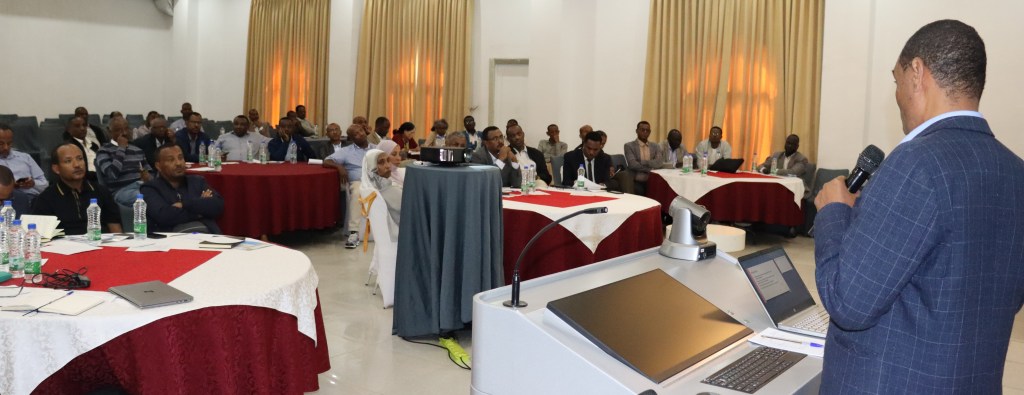
Dr. Mohammed Hassena, Project Manager for the Ethiopian Seed Partnership, followed with a summary of efforts to establish a
coordinated seed sector system. He highlighted both achievements and ongoing challenges that require higher-level engagement to strengthen the seed sector coordination system. He emphasised more commitment from all mandated and key actors in the seed sector.
Another significant development discussed was the progress in establishing a digital platform for the seed system. Mengistu from the Ministry of Agriculture (MoA) presented updates on the platform, which has been developed in collaboration with Addis Ababa University and funded by partner organisations. The platform is now in its final stages of handover and is expected to streamline seed sector operations.
Participants from regional bureaus of agriculture and agricultural regulatory authorities actively engaged in discussions on strategic issues, including seed production and supply, sector coordination, and implementation of the digital platform. All participants appreciated that seed is given due attention as a strategic development agenda. It has been suggested to harmonise and lead by a specific entity the different digital platforms that are there in different institutions. Many expressed appreciation for the forum’s role in addressing critical challenges and commended both the MoA and ESP for their leadership in organising the event.
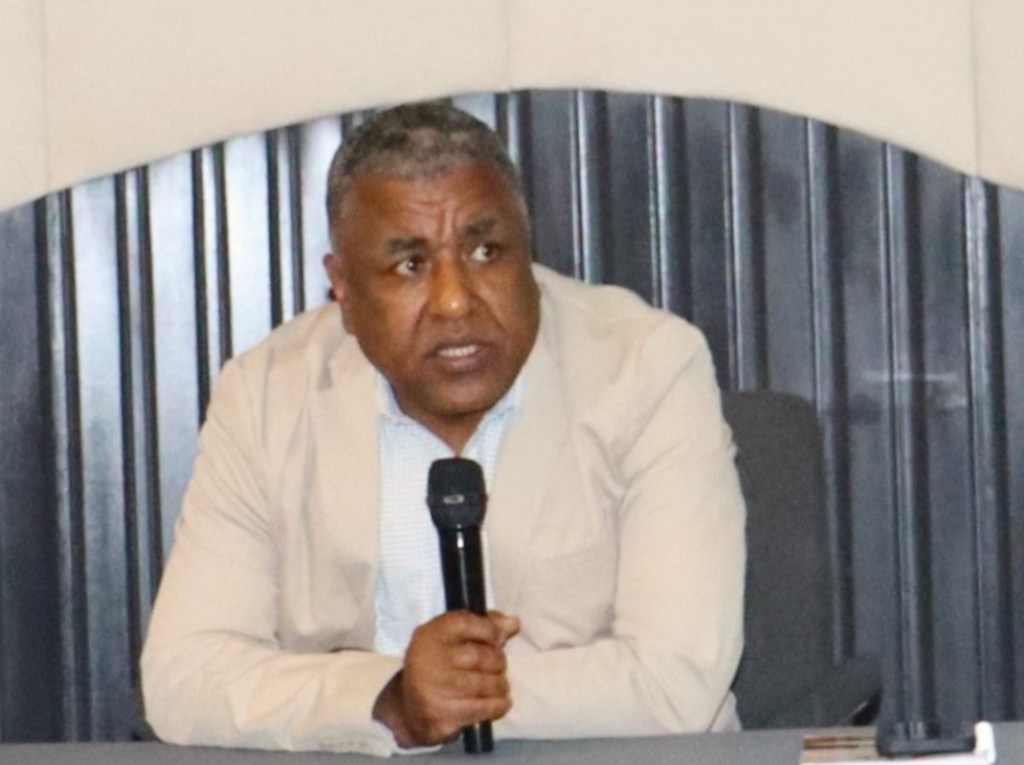
At the end of the discussion, HE Dr. Girma Amentie gave direction on the way forward. Dr. Girma emphasized the critical role of seeds in transforming the agriculture sector, highlighting that they constitute a significant part of the process.
While commending the efforts of the Ethiopian Seed Partnership in establishing and revitalizing the regional seed coordination committee, he stressed the importance of fostering awareness and a sense of ownership among stakeholders to effectively lead the seed sector. Dr. Girma noted that while the committee plays a vital role in addressing current challenges, it is not a permanent solution. He indicated the need for the institutionalisation of roles and responsibilities among stakeholders to ensure sustainable progress, emphasising that the coordination committee will serve as a temporary mechanism to guide the sector until such frameworks are institutionalised. He also urged regional bureaus to provide timely seed-related data to national and regional seed committees to assist them discharging their responsibility effectively and function well. “Digitalising the agriculture sector is the government’s focus area,” he stated. “We will test the Ethio-Seed platform this year and fully implement it in the years to come.” Take the reflections, lessons and directions to improve the performance of your seed production and supply efforts for next year,” said Dr. Girma.

You must be logged in to post a comment.