

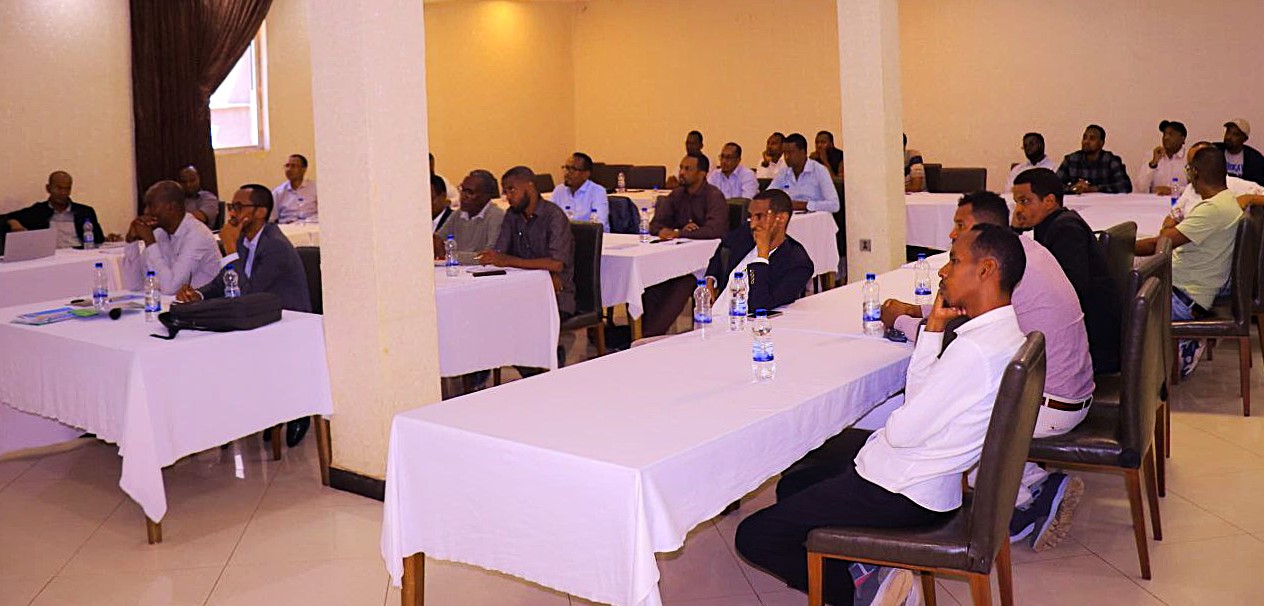
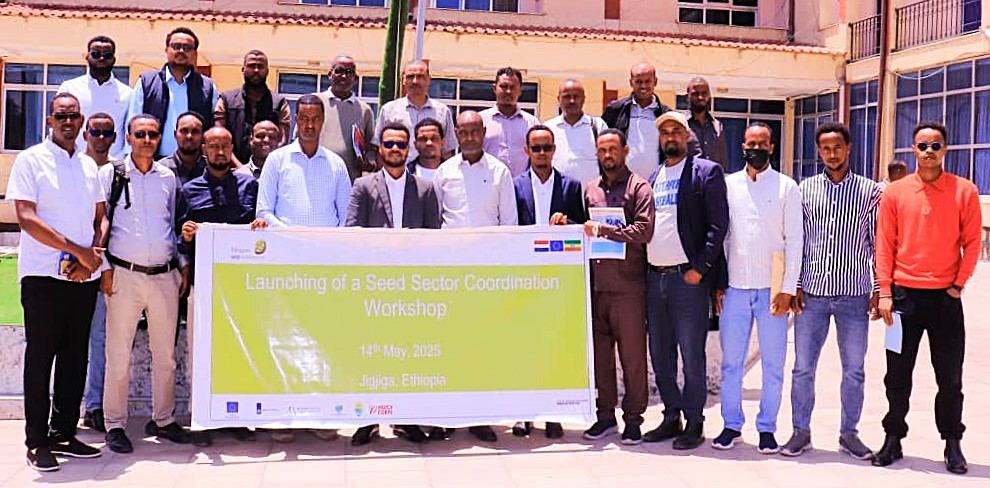
A workshop was held on May 14, 2025, in Jigjiga town, marking a significant step in the Somali Regional State’s efforts to transform its seed sector through the establishment of a seed coordination committee. The initiative aims to foster collaboration and coherence among humanitarian, development, and peace (HDP) building actors to address critical challenges in the region’s agricultural landscape.
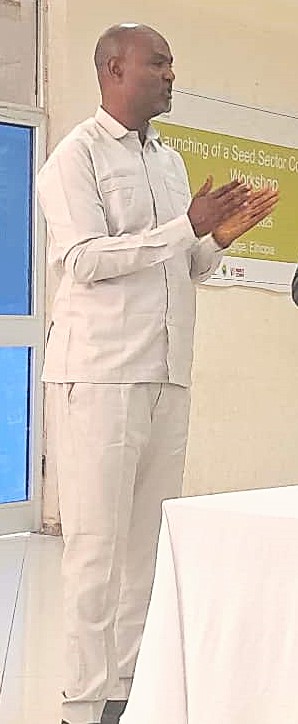
In his opening remarks, Ahmednur Abdi, Deputy Head of the Somali Regional State Bureau of Agriculture, highlighted the region’s pressing need for high-quality seeds. Currently, less than 25% of the seed demand is met with quality seeds—a gap that significantly hampers agricultural productivity. “Addressing this challenge requires coordinated efforts from all stakeholders in the seed value chain,” he stated.
Experts at the workshop shared valuable insights and strategies to strengthen seed sector coordination. Dr. Mohammed Hassen, ESP Project Manager, and Dr. Dandena Gelmesa, Senior Seed Coordination Expert, highlighted lessons learned from Integrated Seed Sector Development (ISSD) project. They underscored the importance of integrating the HDP Nexus approach to effectively manage crises through collaborative efforts among humanitarian, development, and peace actors.
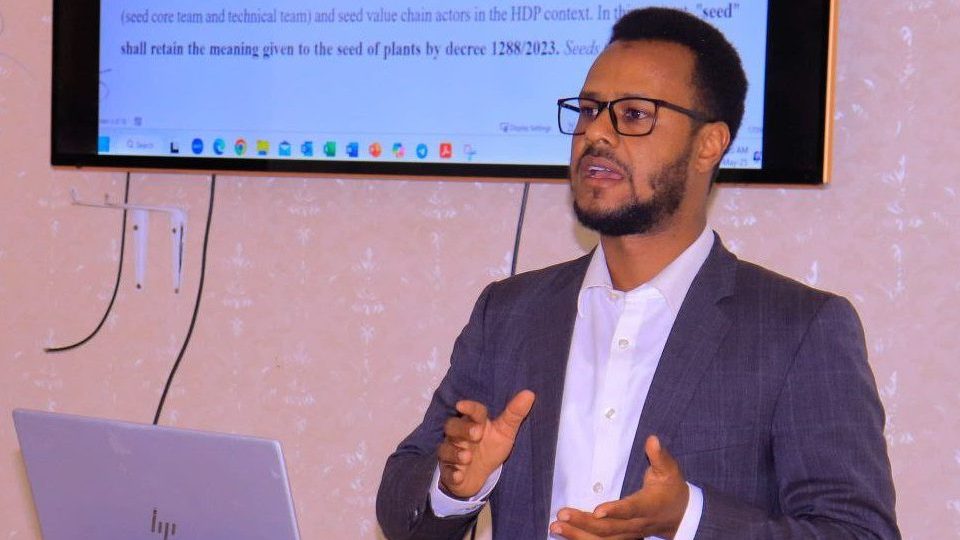
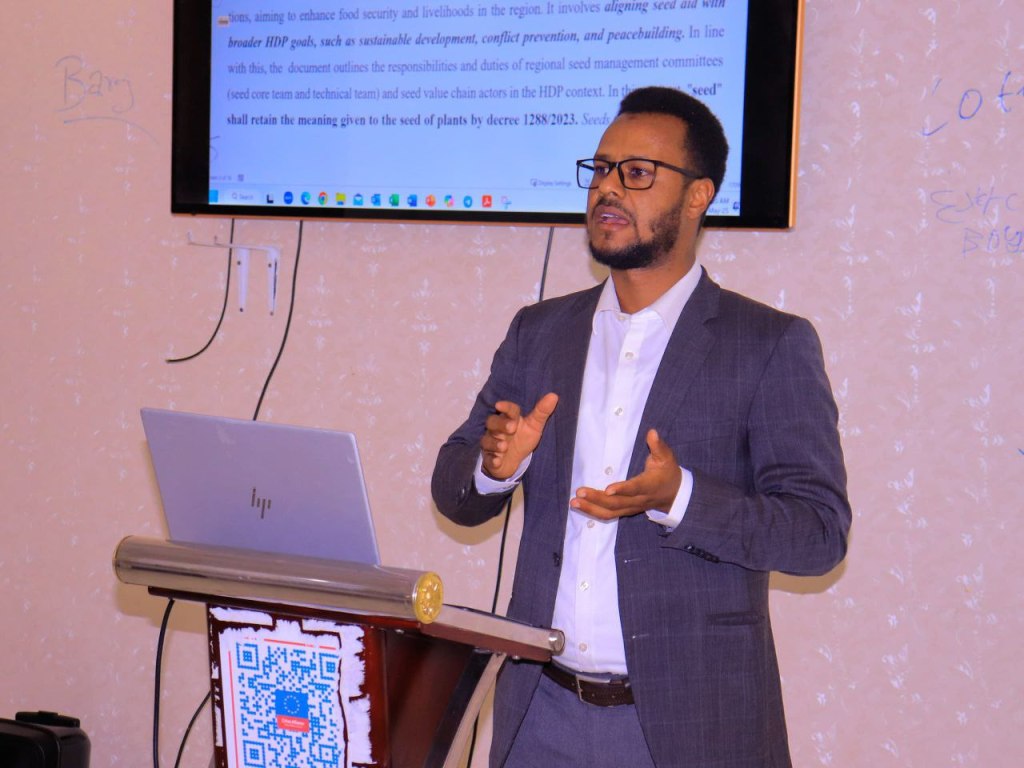
Zerihun Abebe, Mercy Corps Seed Security Response Project Manager, presented key focus areas of HDP Nexus experiences. Abdiwasa Ahmednour, Seed System Coordinator for the Somali Regional State Bureau of Agriculture, presented a draft document outlining the rationale for establishing the committee and functions of the proposed Seed Coordination Committee. The Terms of Reference (ToR) were shared with participants for review and input to ensure comprehensive stakeholder engagement and endorsement.
Key Challenges Identified by Participants engaged in discussions addressing major issues affecting the seed sector include limited land availability for private seed producers, financial constraints hindering the regional seed enterprise’s capacity, absence of a regional seed testing laboratory, undefined roles and responsibilities among stakeholders, insufficient supply of Early Generation Seeds (EGS) and fluctuations in farmers’ varietal preferences over time.
Key challenges facing the seed sector were identified during discussions. These included limited land availability for private seed producers, financial constraints on the regional seed enterprise, a lack of regional seed testing facilities, and insufficient supply of Early Generation Seeds (EGS). Participants also noted fluctuations in farmers’ varietal preferences and called for clearer stakeholder roles and responsibilities. A significant concern raised was the role of the Bureau of Agriculture Bureau in seed demand collection and distribution. Participants recommended that the bureau focus on coordination rather than direct involvement in these processes.
The workshop concluded with key recommendations to promote regional seed self-sufficiency. These included strengthening regulatory frameworks to monitor illegal seed trade, enhancing collaboration among stakeholders to advance seed sector development, and aligning regional seed strategies with national policies for cohesive progress.
In closing remarks, Mohamed Ibrahim, Deputy Head of SoRPARI, highlighted the importance of reviewing best practices from other regions before finalizing the committee’s ToR. He also advocated for integrating additional bureaus, such as the Environmental Bureau and Irrigation Bureau, into the platform to enhance intersectoral collaboration. Bashir Hussen, Deputy Head of DRMB, proposed that the core team function as an advisory body with clear operational guidelines. He emphasized aligning meeting schedules with regional and national humanitarian calendars to improve coordination and prioritizing climate-resilient seed varieties to address climatic shocks effectively.
The workshop brought together representatives from various organizations, including regional agricultural bureaus, research institutes, cooperative agencies, humanitarian groups such as FAO, Mercy Corps, and GIZ, as well as other development partners.

You must be logged in to post a comment.