
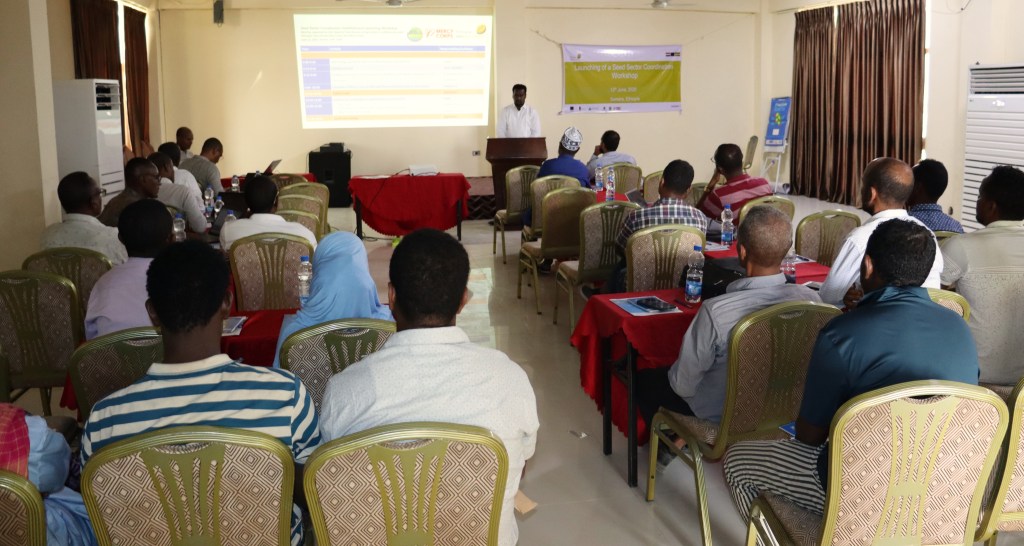
A workshop was held on June 13, 2025, in Semera town to advance the Afar Regional State’s agricultural development through the establishment of a seed coordination committee. The initiative, aimed at transforming the region’s seed sector, seeks to foster collaboration and alignment among humanitarian, development, and peace (HDP) building actors to address critical challenges in the seed sector.
In his opening remarks, Yasin Ali, Head of the Afar Regional State Bureau of Agriculture and Natural Resource Development, emphasized the growing importance of agriculture in the Afar region. Once considered less favourable for farming, the region is now witnessing a surge in agricultural activities. However, the availability of high-quality seeds remains a pressing issue. Yasin expressed optimism that the coordination committee to be formed would play a significant role in improving seed production and supply, ultimately empowering farmers in the region.
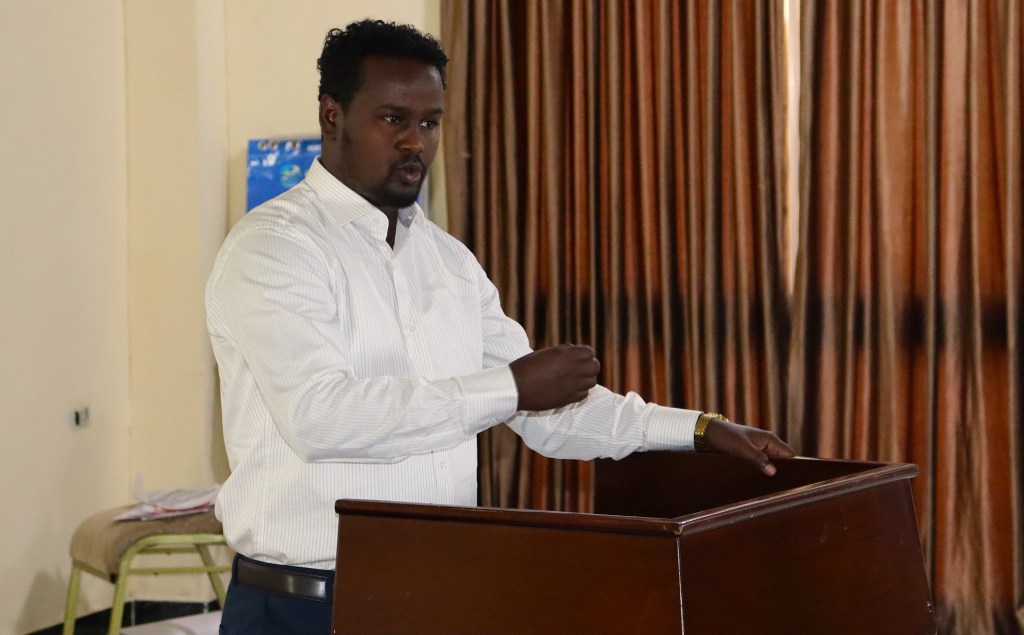
Experts at the workshop shared valuable insights and strategies to strengthen seed sector coordination. Dr. Mohammed Hassen, ESP Project Manager, and Dr. Dandena Gelmesa, Senior Seed Coordination Expert, highlighted lessons learned from establishing similar committees in other regions. They stressed the importance of adopting an HDP Nexus approach to effectively manage crises through collaborative efforts among humanitarian, development, and peace actors.
Habtamu from Mercy Corps presented the need for a Seed and Seed System Response guideline tailored to the Afar region. He noted that the seed system involves numerous actors who require guidance to ensure market-oriented and sustainable practices. Drawing from similar initiatives in Tigray, Habtamu suggested adapting such guidelines to address the specific needs of the Afar region.


The event also included presentations on draft proposals for the committee’s structure and functions. A draft Terms of Reference (ToR) document was shared with participants for review and feedback to ensure comprehensive stakeholder engagement.
Participants raised several critical issues during the discussions, including the lack of basic facilities such as seed cleaning machines and seed laboratories in the region. They highlighted the logistical and financial challenges of transporting seeds to other regions for quality testing. They recommended that addressing these gaps should be a priority for the coordination committee.
In response, Dr. Mohammed Hassen assured participants that ESP would support the provision of basic seed lab equipment and training for laboratory analysts. He emphasized that these challenges would be prioritized by the committee, which would lobby for regional government investment in improving the seed sector.
The workshop concluded with participants agreeing on key focus areas that need to be done by the technical committee and presented to the steering committee for endorsement and further action. These include identifying priority challenges, developing roadmaps to achieve early generation seed (EGS) self-sufficiency, advocating for regional government investment in the seed sector, creating a centralized database for seed-related information, and adapting the Seed and Seed System Response guideline to the region’s context.
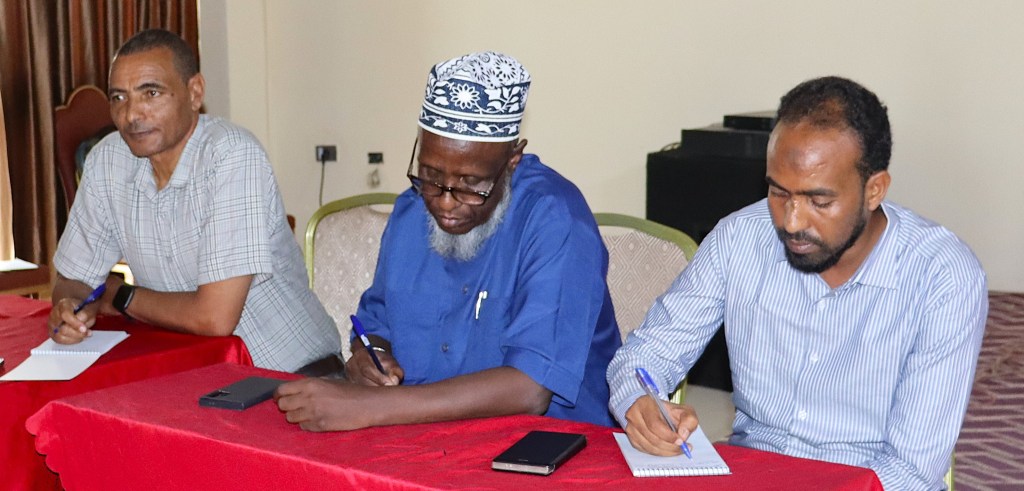

Ahmed Amon, Deputy Head of the Bureau of Agriculture and Natural Resource Development, underscored the region’s reliance on donor-supplied seed varieties, which are often unsuitable for local conditions as they are released for highland areas. Ahmed expressed gratitude for ESP’s efforts to support improvements in the region’s seed sector and pledged his bureau’s full support for the coordination committee.
In his closing remarks, Hadjie Abdu Hassen, Manager of Afar Seed Enterprise, commended the workshop as a critical step toward harmonizing stakeholder efforts to enhance quality seed production and supply sustainably. “Everyone’s commitment and dedication are essential,” he stated.

The workshop brought together over 25 representatives from various organizations, including regional agricultural bureaus, Semera University, cooperative agencies, Afar Seed Enterprise, research institutes, and humanitarian groups such as WFP, GOAL, CARE, IRE, Mercy Corps, and SWR Ethiopia ESP project.

You must be logged in to post a comment.