
In the fragile and conflict-affected regions of Ethiopia; Afar, Tigray, and Amhara, agriculture plays a critical role in sustaining livelihoods and fostering stability. However, the governance of agricultural systems, particularly seed governance, has emerged as a key challenge within the Humanitarian-Development-Peace (HDP) Nexus framework. A recent assessment by the Ethiopian Seed Partnership (ESP) sheds light on the actors, coordination platforms, and challenges shaping the agricultural landscape in these regions.
A complex landscape of actors
The ESP assessment identified 70 organizations active in agriculture-focused initiatives across the three regions. These actors range from international NGOs (INGOs) and local/national NGOs (LNGOs) to UN agencies and specialized entities like the International Red Cross Society (ICRC) and CGIAR centres.
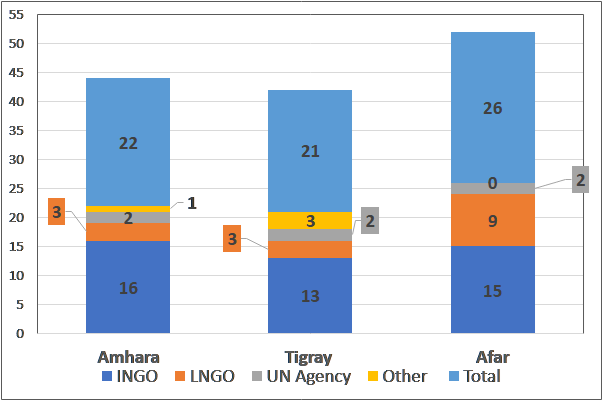
Despite the presence of these actors, the integration of peacebuilding efforts within the HDP Nexus framework remains limited across all three regions.

Challenges to HDP Nexus implementation
Operationalizing the HDP Nexus framework faces several systemic challenges:
Weak coordination among actors: fragmented interventions, siloed financing mechanisms, and a lack of joint strategic planning hinder collaborative efforts.
Unclear role of peacebuilding: many organizations struggle to define how peacebuilding fits into their operations within the HDP framework.
Limited expertise in integrated project design: a lack of experience in designing projects that combine humanitarian aid, development, and peacebuilding complicates efforts. Rigid funding modalities exacerbate this issue.
Seed governance: A crucial element
Seed governance is a cornerstone of the HDP Nexus framework, aiming to harmonize emergency responses with long-term development goals. The ESP report highlights significant regional disparities:
- Weak governance structures for seed systems prevail. Coordination platforms initiated by ESP remain largely unknown to local actors.
- A more integrated approach is evident, with active seed sector coordination and technical working groups.
- Emergency seed responses typically involve direct seed distribution (DSD), seed vouchers, and cash transfers for seed purchases. However, issues such as low-quality seeds distributed by some NGOs without proper approval underscore governance gaps.
Amid these challenges, many organizations are championing community-based seed systems through initiatives like cooperative seed production, community seed banks, and revolving seed projects. These efforts aim to enhance resilience while preserving genetic diversity, a critical step toward sustainable agricultural practices.
The implication of the assessment to enhance the operationalization of the HDP coordination
The findings from Afar, Tigray, and Amhara underscore the need for stronger coordination platforms, greater clarity around peacebuilding efforts, and improved seed governance structures to operationalize the HDP Nexus effectively. Challenges include weak coordination mechanisms, lack of data sharing, and a disconnect between humanitarian, development, and peace actors.
Recommendations include the formulation of explicit guidance for humanitarian actors, enhancing coordination mechanisms that incorporate peacebuilding and seed governance, fostering collaborative analysis and planning, leveraging best practices, and promoting joint funding to facilitate HDP interventions.Additionally, capacity-building efforts and engagement with governments and donors are essential to advance the HDN approach and achieve sustainable outcomes.
By addressing these gaps, stakeholders can create a cohesive strategy that not only improves food security but also contributes to seed system development that contributes to sustainable peace in fragile contexts. With concerted effort from all actors involved; government bodies, international organizations, local NGOs, and community groups; the potential for transformative change remains within reach.

You must be logged in to post a comment.