

In its continued effort to address the skilled manpower gaps in Ethiopia’s seed sector, Haramaya University has launched the second round of its Seed Production and Business Management short course. The initiative, organized in collaboration with the SWR Ethiopia ESP project, aims to enhance the skills and expertise of seed professionals across the country.
During the opening ceremony, Professor Mengistu Urgi, Vice President for Academic Affairs at Haramaya University, emphasized the pivotal role of the seed sector in transforming agriculture and ensuring food security in Ethiopia. While acknowledging the government’s strategic initiatives and recorded progress, Professor Mengistu highlighted the persistent challenges in meeting the demand for high-quality seeds. “Among other challenges, addressing the availability of skilled manpower in the seed sector is critical to ensure food security,” he remarked. He also expressed gratitude to all stakeholders, including the SWR Ethiopia ESP project, the training organizers, and trainees, for their collaborative efforts in making this initiative a reality.
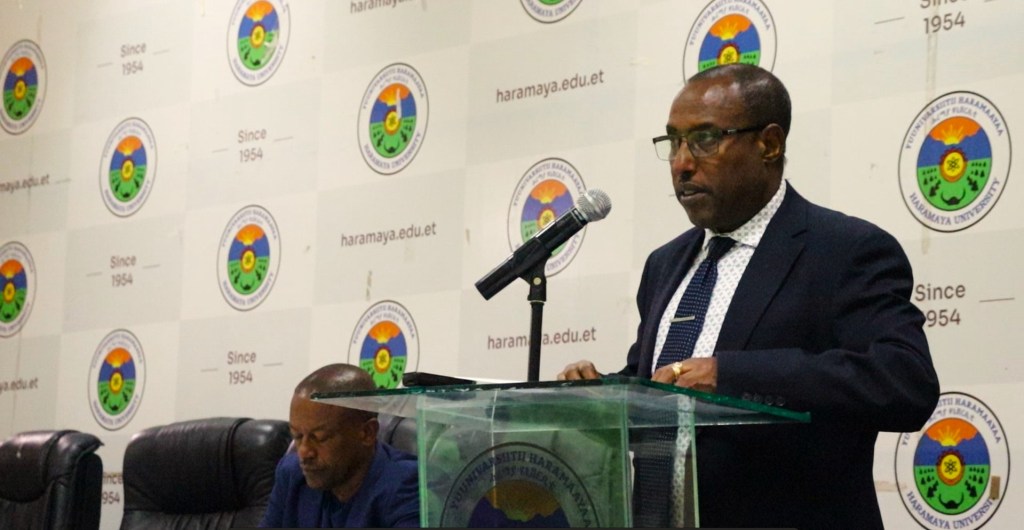
Dr. Mohammed Hassena, SWR Ethiopia ESP project manager, delivered a keynote speech outlining the historical evolution of Ethiopia’s seed sector. He elaborated on the role played by previous programs such as ISSD and ENSP in bridging knowledge gaps. Dr. Mohammed explained how ESP contributes to building skilled manpower through initiatives like internships, MSc grants, and specialized short courses. “This particular training is designed specifically for seed companies to support their effort in enhancing their seed business management more professionally,” he stated.
The second batch of trainees includes 18 professionals from 18 seed companies selected through the Ethiopian Seed Association (ESA). The course, titled “Seed Production and Business Management,” focuses on critical areas such as seed processing, seed policies, and business management strategies. The training aims to equip participants with enhanced knowledge and skills to better serve their organizations and contribute to the growth of Ethiopia’s seed sector.


Participants expressed optimism about the training’s potential impact. Tadesse Bekalu, owner and manager of Hulume Seed Company in Central Ethiopia Region, shared insights into his company’s challenges in seed production and marketing. He noted that while demand for seeds remains high due to production shortages, the government-set sales price does not adequately cover production costs. “I expect to gain new knowledge from this short course and share experiences with other participants to improve my seed business,” Tadesse said.
Similarly, Merkeb Deyaso, manager at Desta Berhe Plant Seed Importer Company, highlighted the issue of counterfeit seeds entering Ethiopia as contraband. Merkeb expressed hopes that the training would help address her knowledge and skill gaps. “I see there are people with long experience in the sector. I expect this short course will fill my gaps and help me tackle challenges more effectively,” she said.
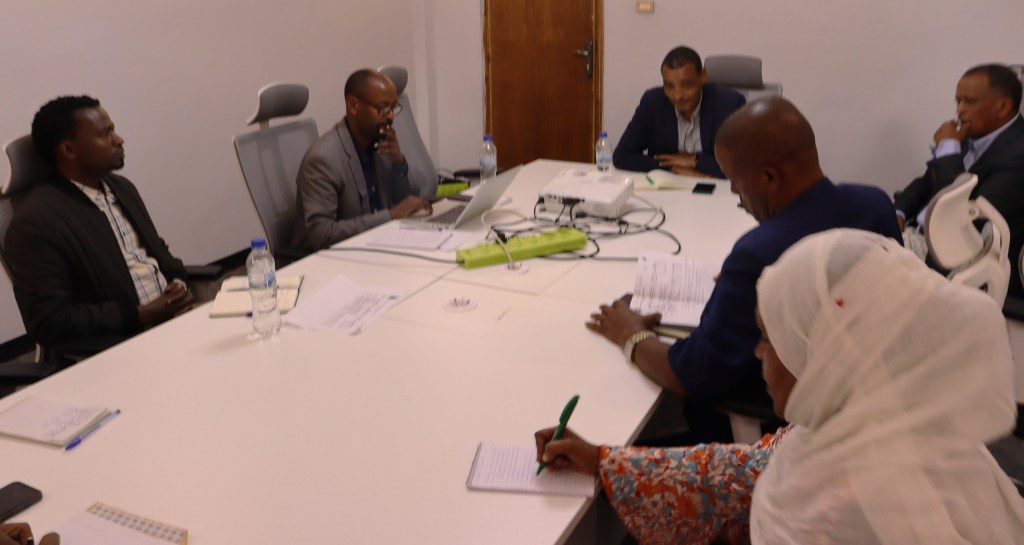
In addition to the ongoing training, discussions were held among ESP delegates, ESA representatives, and Haramaya University the short-term training coordinators about refining the third module entitled “Governance for Seed Sector Development.” This module addresses topics such as seed system development, marketing strategies, international trade, and global seed regulations. They explored ways to ensure that the course effectively tackles coordination challenges within the sector and contributes significantly to its improvement.
With a focus on empowering professionals and fostering collaboration among stakeholders, this short-term training program continues to play a vital role in strengthening Ethiopia’s seed sector. ESP is providing facilitation and financial support for the first two rounds of training, with hopes that the university will sustain the program independently thereafter.


You must be logged in to post a comment.