
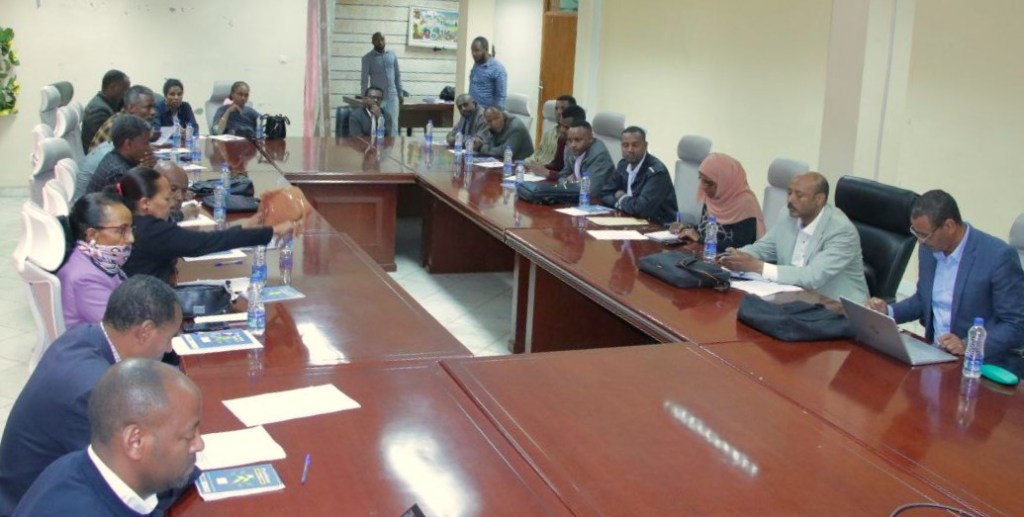
The seed sector plays a pivotal role in shaping the agricultural landscape of Ethiopia. Recognizing the need to address challenges and enhance the capacity of professionals within the seed sector, SWR Ethiopia ESP project collaborated with Haramaya University and organized a short-term training program “Governance for Seed Sector Development.” This targeted training took place from December 22 to 27, 2025, at Haramaya University, and was tailored to meet the specific needs of professionals in Ethiopia’s seed sector.
The training program was conceptualized with a clear goal: to empower professionals with the latest developments in the seed sector’s legal frameworks, foster attitudinal and practical changes, and build the capacity of key stakeholders. By addressing gaps in governance, coordination, and knowledge, the initiative aims to create a robust and sustainable seed system that can meet the growing demands of Ethiopia’s seed sector.
Dr. Yibekal, the training coordinator, expressed his gratitude to the dedicated participants who travelled from across the country to attend the program. He also acknowledged SWR Ethiopia for providing funding and resources, as well as Haramaya University for facilitating the partnership and delivering a high-quality training experience. Dr. Yibekal highlighted the involvement of senior university staff who meticulously designed and organized the program to ensure its relevance and impact.
Professor Mengistu Urge, Vice President of Haramaya University, delivered an inspiring opening speech to welcome the participants. He extended a warm reception to those visiting the university for the first time and emphasized Haramaya University’s commitment to offering a world-class training experience. In his address, Prof. Mengistu underscored the critical importance of agriculture in Ethiopia. He highlighted its role as a cornerstone of food security, livelihood generation, employment creation, and GDP contribution. However, he also acknowledged the challenges faced by the sector, including low productivity, reliance on small-scale subsistence farming, insufficient inputs, limited knowledge dissemination, and weak market linkages. When discussing the seed sector specifically, Prof. Mengistu noted that it remains largely informal and unable to meet national demands. To address these challenges, he emphasized the need for measures such as improving seed systems, enhancing coordination among stakeholders, providing timely training programs, and fostering active participation from all actors in the sector.
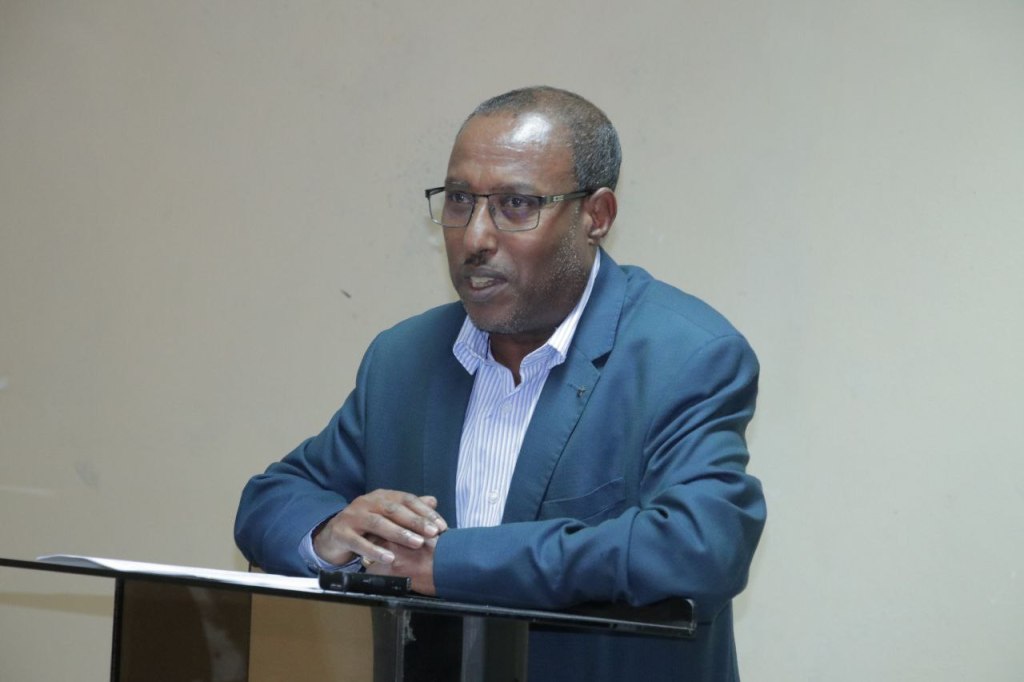
Dr. Mohammed, Project Manager of the SWR Ethiopia ESP Project, delivered a keynote address that provided valuable insights into the objectives and scope of the ESP initiative. Dr. Mohammed emphasized that one of ESP’s primary objectives is to bridge existing gaps in Ethiopia’s seed sector by addressing capacity-building needs and fostering professional engagement. He identified a lack of leadership and expertise among professionals as a significant bottleneck in achieving progress within the sector. He stressed that without active leadership roles taken by skilled professionals, systemic issues would persist.

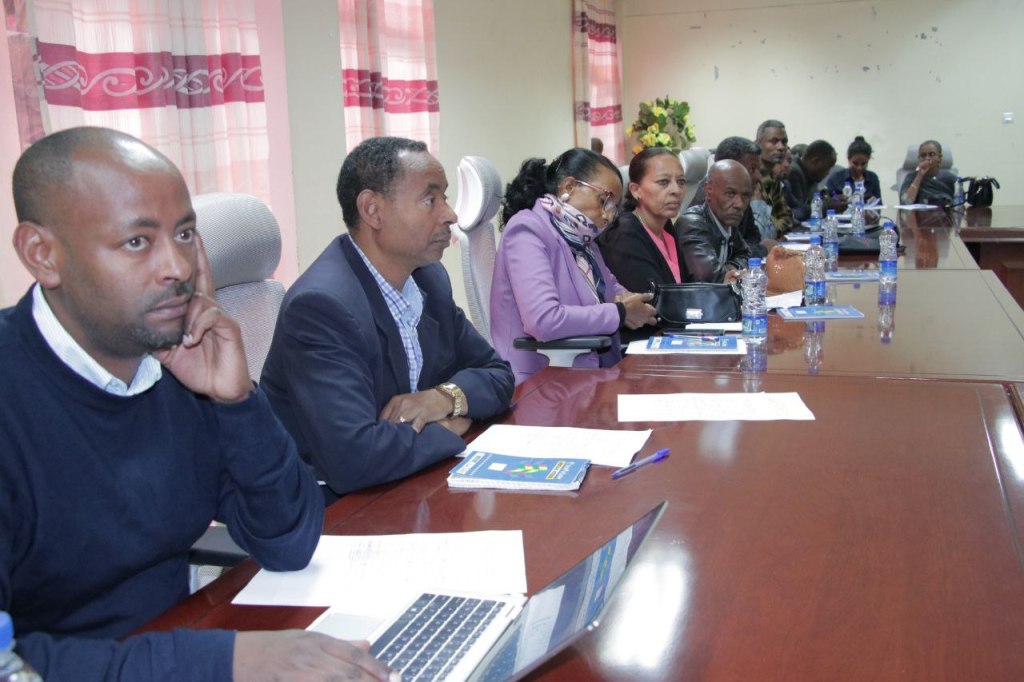
In the training, 21 of individuals from 10 region bureau of agriculture and the Ministry of Agriculture participated. It is believed that the trainees will be equipped with the newfound knowledge and skills in seed system governance, and operational improvements, and ultimately, they will improve their way of doing things and contribute more significantly to the development of the seed sector in the country. When they go back to their respective duty stations, participants are encouraged to address professional gaps within their respective areas of expertise while actively contributing to the development of a more efficient and sustainable seed system.
The collaborative efforts between SWR Ethiopia ESP project and Haramaya University highlight a shared commitment to addressing skilled manpower shortage in the Ethiopian seed sector through long and short-term capacity building programs and experience sharing. This training program serves as a way to address the skilled manpower availability challenge and encourage professionals to play their appropriate roles in the sector., It is hoped that participants will return to their respective roles, equipped with renewed knowledge, confidence, and determination to drive progress in Ethiopia’s seed sector.

You must be logged in to post a comment.