
In its continued effort to address seed insecurity in Ethiopia, the SWR Ethiopia ESP project has partnered with Haramaya and Mekelle universities to enhance the supply of improved seeds through Seed Producer Cooperatives (SPCs). This collaboration focuses on upgrading the technical and infrastructural capacities of SPCs in East Hararghe and Tigray regions. By improving governance, access to Early Generation Seed (EGS), and market linkages, the initiative aims to empower SPCs to provide high-quality seeds to farmers in the seed insecure areas.
As part of this effort, SWR Ethiopia, in collaboration with Haramaya University and Solagrow PLC, organized a field visit for SPC members from Kersa woreda in the East Hararghe zone. The visit took place at Solagrow PLC in Bishoftu and showcased the innovative apical root cutting technology for potato seed multiplication. This advanced method is expected to revolutionize sustainable and efficient seed production in Ethiopia.
The primary goal of the field visit was to introduce SPC leaders and members to the benefits of apical root cutting compared to conventional potato seed tuber multiplication. The visit also aimed to facilitate knowledge transfer, develop skills, and establish sustainable linkages between SPCs and Solagrow PLC.
Jan van de Haar, Managing Director of Solagrow PLC, warmly welcomed the visitors and shared insights into the company’s operations. Established in 2006, Solagrow has been a key player in advancing Ethiopia’s potato seed production system. The company specializes in multiplying mini tubers using stem cuttings, providing farmers with a sustainable source of high-quality potato seeds.
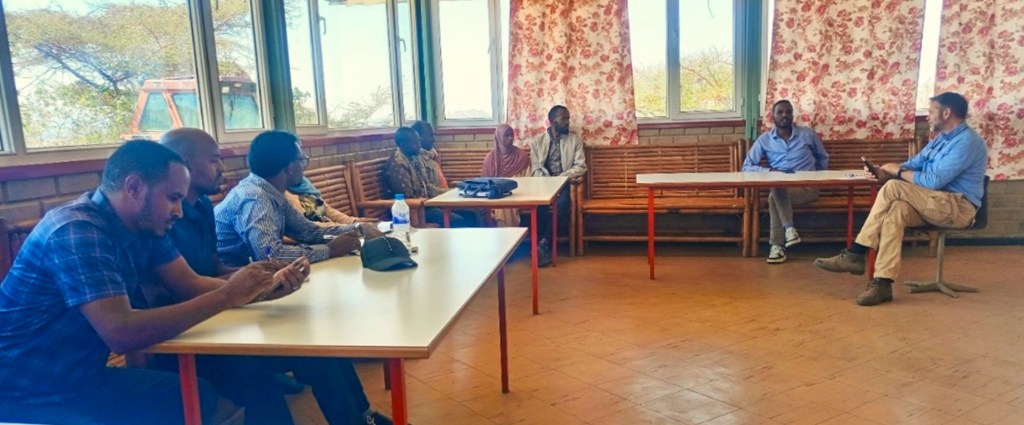
“Apical root cutting technology is not only simple and cost-effective but also holds immense potential for scaling up sustainable seed production,” said Jan van de Haar during his welcoming remarks. He reaffirmed Solagrow’s commitment to supporting SPCs in East Hararghe and other regions, provided that sustainable seed production systems are strengthened.
The field visit featured an interactive session where participants had the opportunity to ask questions about seed multiplication procedures, disease management, costs, and scalability. Jan van de Haar addressed their queries comprehensively, boosting confidence among participants about adopting this innovative technology.
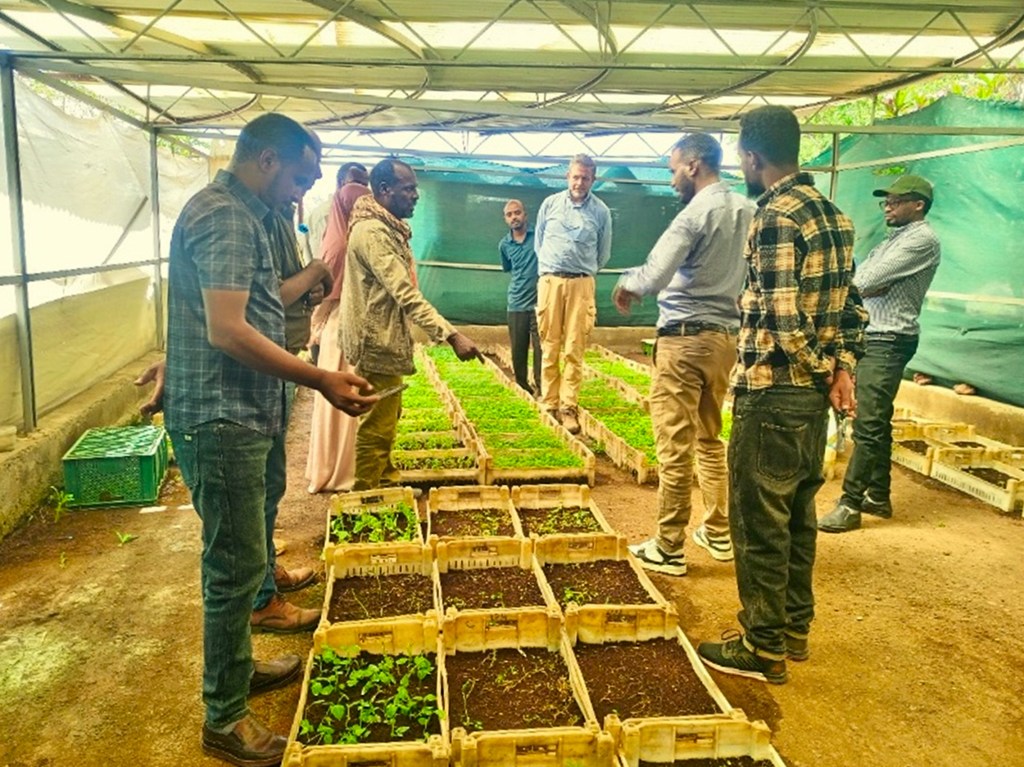
The participants were then given a guided tour of Solagrow’s facilities, including seed multiplication units utilizing apical root cutting technology, media preparation areas, and quality control stations. This hands-on experience allowed participants to observe critical procedures, handle materials, and witness quality control measures firsthand.
“Before today, it was just a theory. Now I can visualize each step,” said Jibril Mohammed, Manager of the Kersa SPC. “We are eager to implement this technology, especially if we receive continued support in infrastructure and mentoring.” He expressed optimism that the visit dispelled doubts and provided hope for higher yields and increased income with minimal inputs.
Experts from Haramaya University lauded Solagrow’s integration of research with practical application. Bekele Kebeda, a horticulturist at the university, described apical root cutting as “a sustainable solution to seed scarcity.” He noted that its simplicity makes it accessible for cooperatives with proper training.
What is next?
Kemal Kasim, Research Communication Team Leader, and the ESP project focal person at the Universityt, echoed these sentiments: “The farmers’ questions were sharp and practical—they wanted to know about costs, labor, and how to start. That shows they are ready. Our next step is to provide them with inputs and knowledge through targeted support and internship programs.”
The ESP project will continue its support to increase supply of improved seed by strengthen these cooperatives adopt the newfound knowledge and scale it up to increase their seed multiplication capacity. As part of this initiative, two graduate interns will be placed at Solagrow PLC to receive comprehensive training on apical root cutting technology. These interns will later train these SPC members, ensuring that the knowledge and skills gained are effectively transferred to local communities.
“This visit signifies more than just knowledge transfer; it marks the beginning of a partnership,” said Jan van de Haar. “We are committed to supporting these farmers and experts in scaling quality seed production across regions.”
The field visit concluded with a shared commitment among all stakeholders to foster innovation, improve seed systems, and contribute to enhanced quality seed supply in East Hararghe and beyond through sustainable agricultural practices.

You must be logged in to post a comment.