
The Benishangul-Gumuz Region, a fertile area in Ethiopia renowned for its agricultural potential, particularly in maize production, is taking significant strides toward achieving seed self-sufficiency. Historically, the region has been a key supplier of hybrid maize seed for the nation, with larger companies and public seed enterprises producing seeds in the area. However, the reliance on external processing facilities has resulted in additional costs, which are ultimately borne by local farmers.
To address this challenge and unlock the region’s potential, a consultative workshop was held on January 19, 2024, by the Ethiopian Seed Partnership (ESP) in collaboration with regional stakeholders. The workshop aimed to establish regional seed technical and steering committees and to chart a path toward building a self-sufficient seed sector within the region.
During the workshop, ESP presented a suggestion to the regional bureau of agriculture (BoA), emphasizing the need to license capable private entities to enter the seed business. The idea was well-received, leading to an agreement to grant Certificates of Compliance (CoC) to at least two private companies and one union. The BoA committed to identifying potential companies and providing them with the necessary support beyond merely issuing licenses.
ESP, which has a dedicated private sector support program, included the two newly licensed companies in the region in its initiatives without requiring them to compete with firms from other regions. The project provided technical assistance and facilitated connections with Early Generation Seed (EGS) suppliers. As a result, the new companies secured EGS for the 2025 production season and signed agreements for 2026, enabling them to cultivate 130 and 50 hectares of hybrid maize and sorghum seeds, respectively.
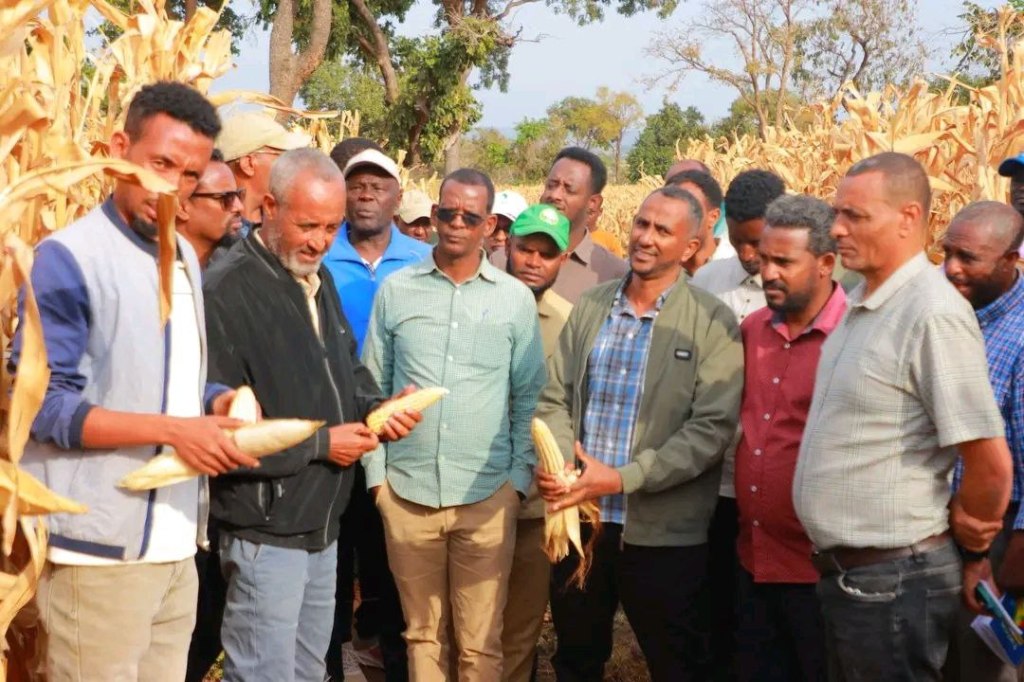
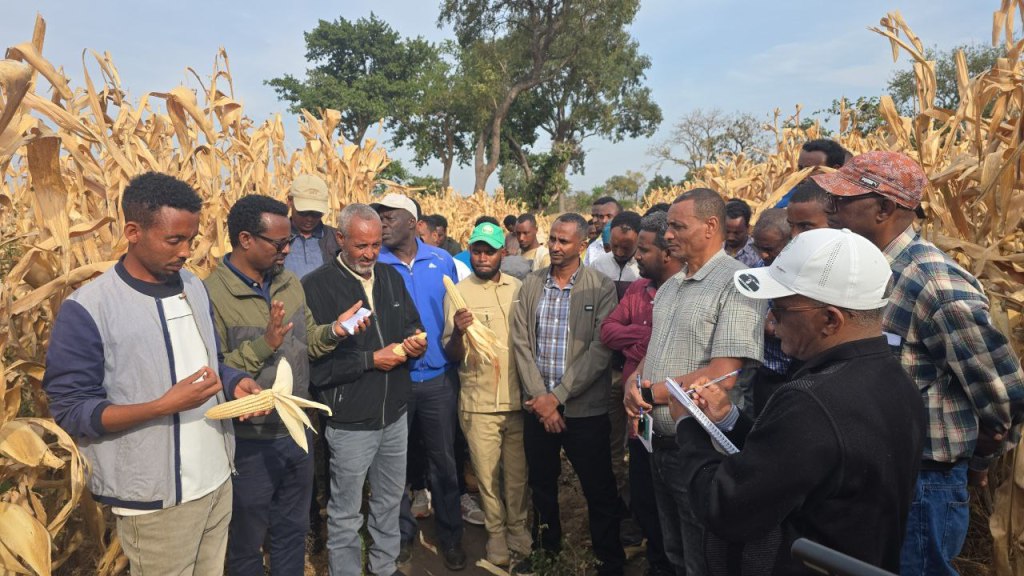
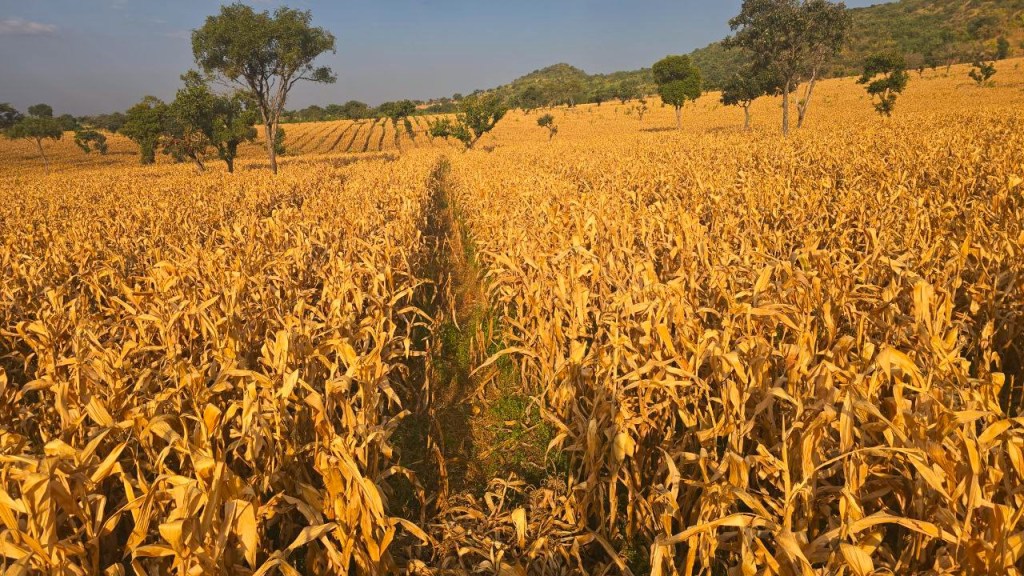
This milestone was celebrated during a field day event organized by ESP in collaboration with Rodas Agricultural Development PLC on December 30, 2025. The event took place at a seed production farm in Afaa Sizim kebele, Aburamo woreda, and attracted a diverse audience, including representatives from the Ministry of Agriculture (MoA), regional and woreda officials, research centre, university, and local farmers.
The field day showcased the region’s immense potential for hosting private seed companies capable of producing high-quality seeds. It also served as a platform for exploring market linkages for the newly established firms. Participants were impressed by the progress made and acknowledged the previously untapped capacity of local out-growers to establish independent seed companies.
This initiative marks a turning point for the region in its pursuit of seed self-sufficiency. Historically reliant on seeds allocated by the MoA, the region is now recognizing its ability to produce and supply seeds locally. The effort underscores the importance of fostering local capacities and highlights the critical roles of public-private partnerships in developing a strong regional seed sector.
The region needs to continue to build on this momentum, and the focus should remain on empowering private sector actors and strengthening their contributions to regional seed sector development. This initiative not only sets an example for other regions but also reaffirms the potential for sustainable growth through collaboration and innovation in Ethiopia’s seed sector.

You must be logged in to post a comment.