


The conflict in Tigray has severely disrupted agriculture, leaving farming communities struggling. Local seed systems, vital for food production and farmer resilience, have been heavily impacted. Key structures like Seed Producer Cooperatives (SPCs) and Community Seed Banks (CSBs) face damaged infrastructure, hindering their ability to produce, store, and distribute quality seeds.
To address this pressing issue, Mercy Corps’ ESP Seed Insecurity Response (SIR) program aimed to help conflict-affected seed actors in Tigray regain functionality, restore farming households’ access to quality seeds, and promote long-term recovery. Initial assessments across four woredas, conducted with SPCs and CSBs, highlighted strong technical expertise but a lack of essential infrastructure like storage, tools, and furniture, hindering operations.
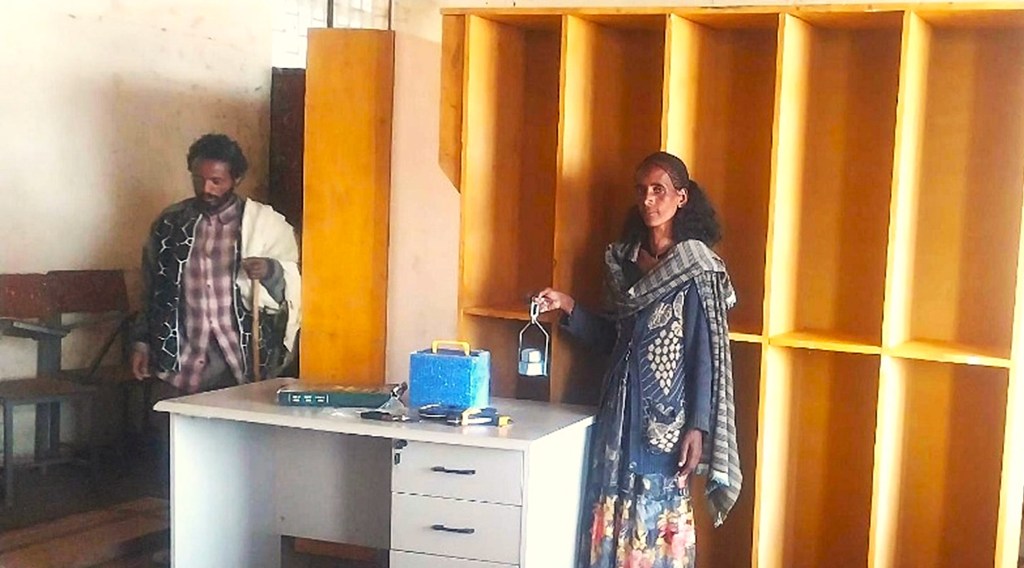
Guided by these findings, Mercy Corps ESP SIR program supported eight SPCs and two CSBs across three woredas with over 3.2 million ETB in strategic investments. Delivered items included seed weighing scales, materials for storage facility repairs, office furniture, and seed moisture testers. Efforts focused on sustainable seed production and distribution without disrupting local markets.
Immediate results with long-term implications
The impact of this initiative has been both immediate and transformative. Restored storage and processing facilities have allowed seed producer groups to resume vital activities such as proper seed storage, weighing, record-keeping, and documentation. These improvements are essential for maintaining seed quality and ensuring that farmers receive reliable, locally adapted seeds when needed for planting.
Beyond physical infrastructure restoration, the intervention has fostered a profound human impact. For many members of SPCs and CSBs, particularly women, who play a critical role in community seed systems—this rehabilitation effort symbolizes dignity, hope, and renewed purpose.
Tsedal Girmay, a member of Atseyohannes SPC in Degua Timben, shared her heartfelt perspective: “When I saw all these new materials supporting our store, I did not just see materials. I saw our future harvests protected. I felt happy not just for me but for all the mothers and farmers who use our seeds to farm and feed their families.”
Similarly, Priest G/Igzehabher Hadgu, Head of Ayba Community Seed Bank in Emba Alaje, expressed gratitude: “From nothing, the program has equipped us with the necessary seed service facilities. We thank Mercy Corps for the support!”
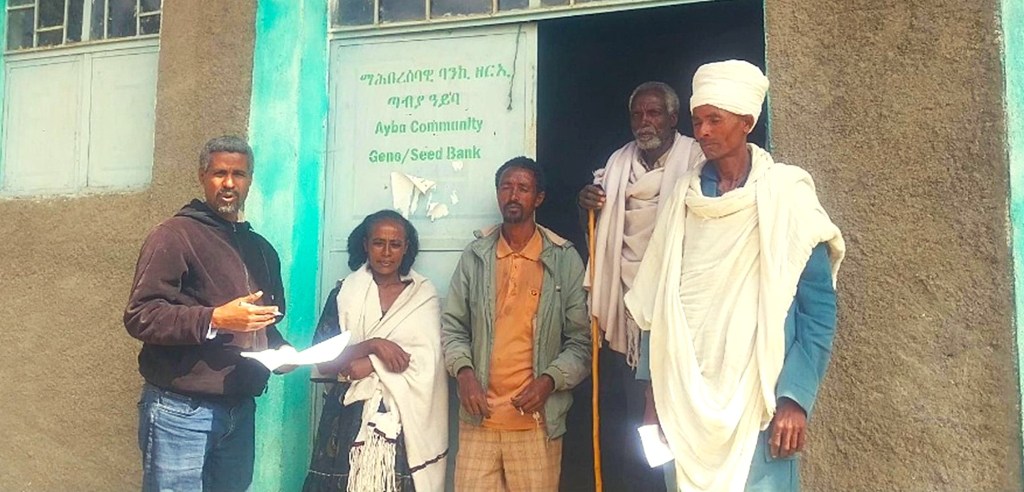
Haftom Takur, leader of Birhan Ayba SPC in Emba Alaje, emphasized the empowering nature of the intervention: “This is not a handout; it is a hand up. With these tools, we are regaining our role as guardians of our land’s future. We are now motivated to produce quality seeds because we know our community’s resilience grows from what we plant today.”
These testimonials highlight how strategic, need-based assistance can rebuild confidence, restore institutional capacity, and strengthen community-based seed systems.
Strengthening local seed markets and building resilience
In addition to infrastructure rehabilitation, this intervention addresses systemic challenges within the local seed market by revitalizing a critical link in the agricultural value chain. By restoring the operational capacity of SPCs and CSBs, Mercy Corps has empowered community-based seed producers to resume their functions effectively.
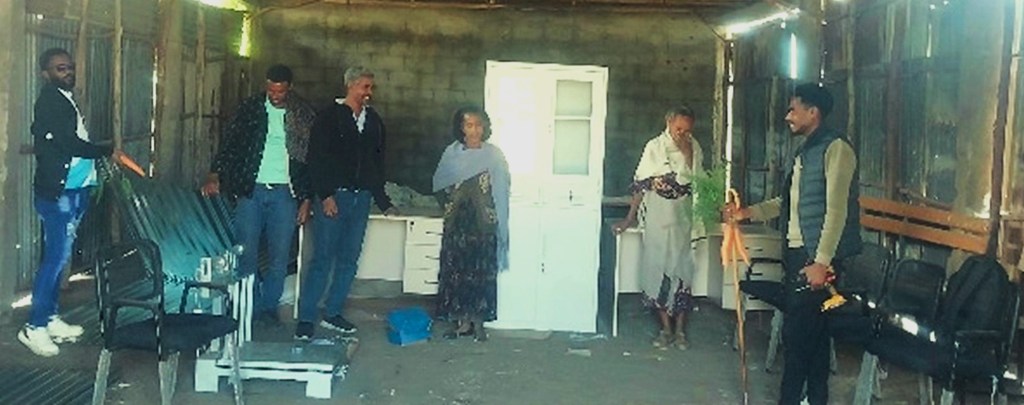
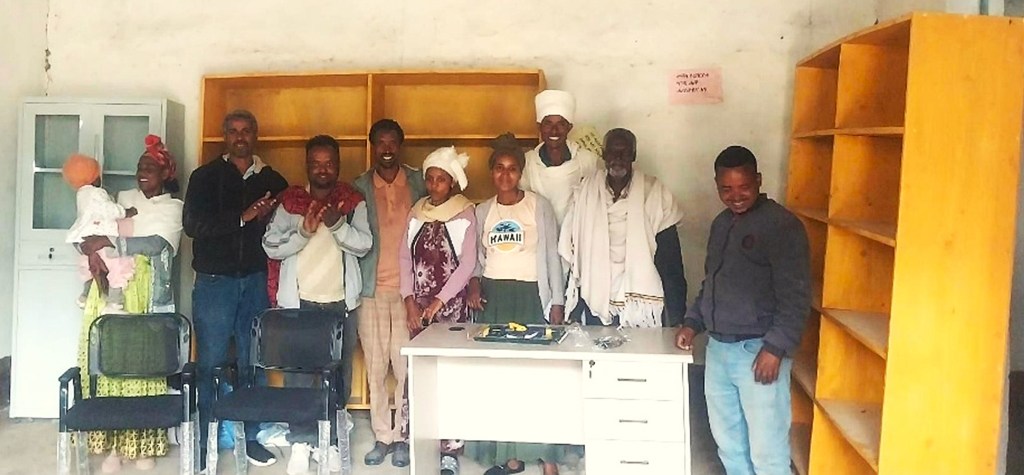
With their operations back on track, these cooperatives are now better positioned to supply high-quality seeds, stimulate local economic activity, and reduce dependency on external seed assistance. Strengthening local seed systems in this manner fosters community self-reliance and enhances the ability of farming households to withstand future shocks—whether climatic, economic, or conflict-related.
Looking ahead
Mercy Corps will continue its commitment to support these community institutions as they maintain their recovery journey. Through ongoing efforts to restore capacity, increase productivity, enhance market engagement, and secure long-term seed availability for farming communities, the ESP SIR program aims to ensure sustainable seed insecurity response.

You must be logged in to post a comment.