
In the arid and sun-scorched lands of the Afar Region, a green revolution is taking root. A homegrown maize seed production initiative is offering hope to local communities, ensuring the availability of quality seeds that are accessible and tailored to farmers’ needs. The story of transformation begins with a simple yet powerful belief: “Afar can grow its own local quality seed, and the future of seeds in Afar can truly be homegrown.” This belief is being realized through the efforts of Qayawisa Seed Producers Cooperative (SPC) in Afambo woreda.
For years, agro-pastoralist farmers in Afar have relied on seeds coming from other regions provided through humanitarian aid and government programs. These seeds often arrived late, were expensive, and were poorly suited to local conditions, resulting in low productivity and persistent seed insecurity. Today, however, that narrative is changing. Through the introduction of the Market Systems Development (MSD) approach and a community-based resilience model, Mercy Corps’ ESP Seed Insecurity Response (SIR) program, in collaboration with the Afar Bureau of Agriculture and Natural Resources (BoANR) and the Afar Cooperative Promotion Agency (ACPA), is empowering farmers to produce and supply seeds locally.
Farmers’ field day: An eye-opening event
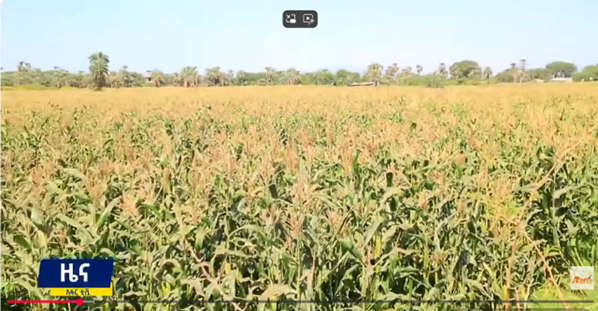
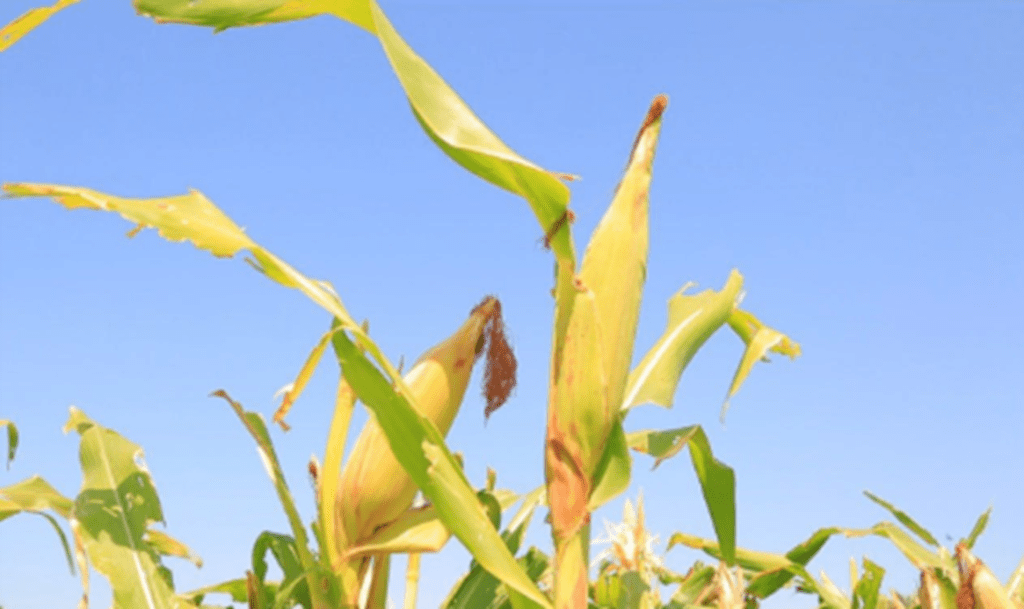
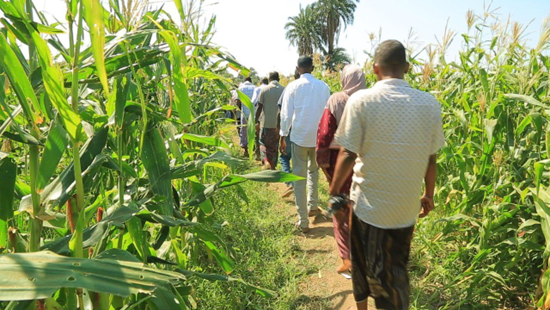
Under the theme “Seeing Is Believing”, a farmers’ field day was recently held at Qayawisa SPC’s maize seed multiplication site in Afambo woreda. The event brought together 47 participants, including government officials, NGOs, researchers, cooperative members, private seed sector actors, local media, and community members. Attendees toured a 50-hectare maize seed cluster planted with the Awash Melkasa-2 variety. Supported and technically guided by Mercy Corps, the site showcased a strong crop performance with high yield potential. Many participants described the visit as eye-opening, recognizing Qayawisa SPC’s potential to bridge Afar’s seed demand-supply gap.
Reflections from leaders and partners
Mr. Kemal, Head of Afambo woreda administration, opened the event by highlighting Qayawisa SPC’s journey: “Qayawisa SPC started in 2012 as an informal farmers’ group and is now officially registered as a seed producers’ cooperative with the support of Mercy Corps. What we see today proves that this support is bringing real results. Mercy Corps has stood with farmers from the beginning, and today we see that achievement clearly in the fields.”
Mr. Habib, Afar Region Seed Regulatory Director, emphasized the region’s challenges and opportunities: “The demand for quality, adaptable seed in Afar is very high, but supply is still limited. What we are seeing today is encouraging and fully aligns with our efforts to strengthen legal and quality seed production. Mercy Corps’ role here is highly appreciated and sets a strong example for other partners working in the region.”
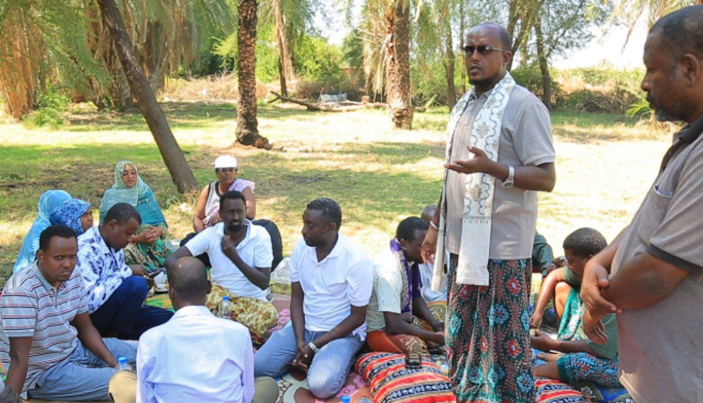
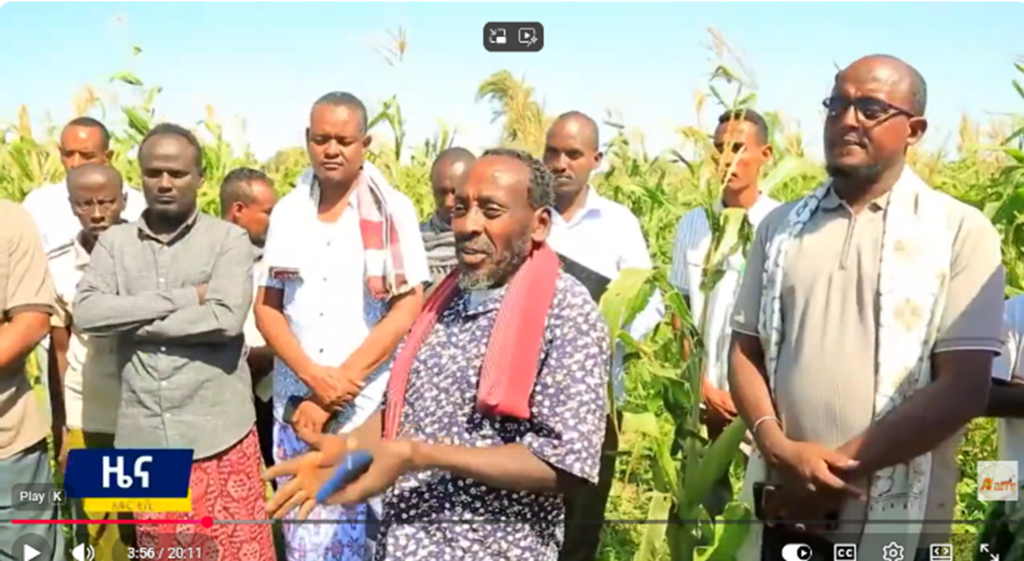
A representative from the Afar Bureau of Agriculture and Natural Resource Development shared an optimistic message: “In the past, we depended on seed brought from other regions. What we see today gives hope that farmers in Afar can access quality seed locally. We encourage other partners to follow this example and expand support to more crops, vegetables, and new technologies.”
An NGO partner from Save the Children shared their perspective on past struggles: “There were times when we travelled long distances to other regions in search of quality seed for our farmers, often without success. Today, standing in this field, we are witnessing a powerful shift proving that Afar can produce and meet its own seed needs when the right support is in place and properly managed. This field day is more than a demonstration; it’s a practical lesson, a source of pride, and a commitment we carry back home to contribute in our own way.”
For local farmers, this initiative represents a transformative shift. Mr. Mohammed, Chairperson of Qayawisa SPC, expressed his joy: “We never expected to achieve this from our own land. We used to think that our land couldn’t provide such tangible results. Now we’ve learned so much, and next season we plan to produce even more quality seed so our community can continue accessing improved maize.”
The field day as a platform for discussion and linkage
The field day also served as a platform for fostering market linkages and collaboration among key stakeholders in the seed system. NGOs expressed interest in sourcing seeds locally for their programs, creating new market opportunities for Qayawisa SPC and other cooperatives. Discussions during the event highlighted key challenges such as limited coordination among partners, high seed demand with limited supply, and gaps in post-harvest storage, processing, and marketing facilities.
Participants emphasized the importance of coordinated regional planning, comprehensive support for seed producers, and the full implementation of the newly endorsed Afar Seed System and Development Guideline. Mercy Corps reaffirmed its commitment to working alongside farmers and partners to build a resilient and sustainable seed system in Afar.

You must be logged in to post a comment.