
In a concerted effort to enhance seed marketing and ensure the efficient delivery of quality seeds to farmers, the Ministry of Agriculture (MoA), in collaboration with the Oromia Bureau of Agriculture (BoA), Oromia Seed Enterprise, and Ethiopian Seed Partnership (ESP), hosted a regional stakeholders’ consultative workshop in the Oromia Region on 5th of March 2026. This workshop, held as a follow-up of the national stakeholders’ consultative meeting on January 15, 2025, aimed to resume Direct Seed Marketing (DSM) and address challenges within the seed marketing.
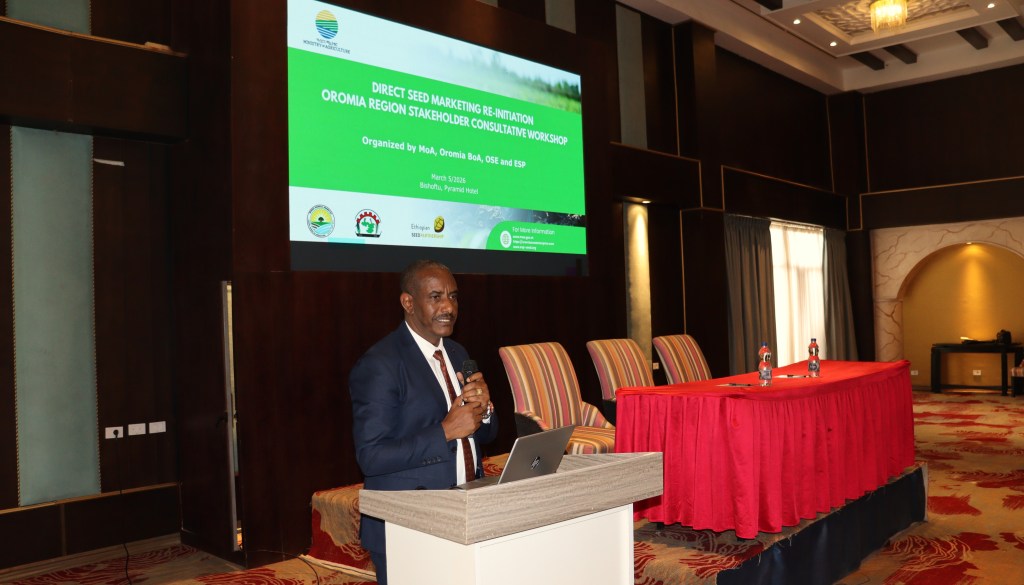
The workshop began with a warm welcome from Mr. Beriso Fayisa, Deputy Head of the Oromia Bureau of Agriculture. Mr. Beriso expressed gratitude to the participants and emphasized the importance of their contributions in shaping the future of seed marketing in the region. He explicitly highlighted the significant challenges associated with seed distribution in the region, particularly the mismatch between demand and allocation, delays in the transportation and distribution of seeds following allocation, unwarranted interference throughout the seed distribution network, including the imposition of additional margins on seed prices at the lower level and the existence of illegal seed trading. It is crucial to operate in a complementary fashion rather than in competition, collaboratively managing the illegal seed trade, enhancing awareness and extension services for smallholder farmers to boost the use of certified seeds, and strengthening DSM and regional self-sufficiency, he added.
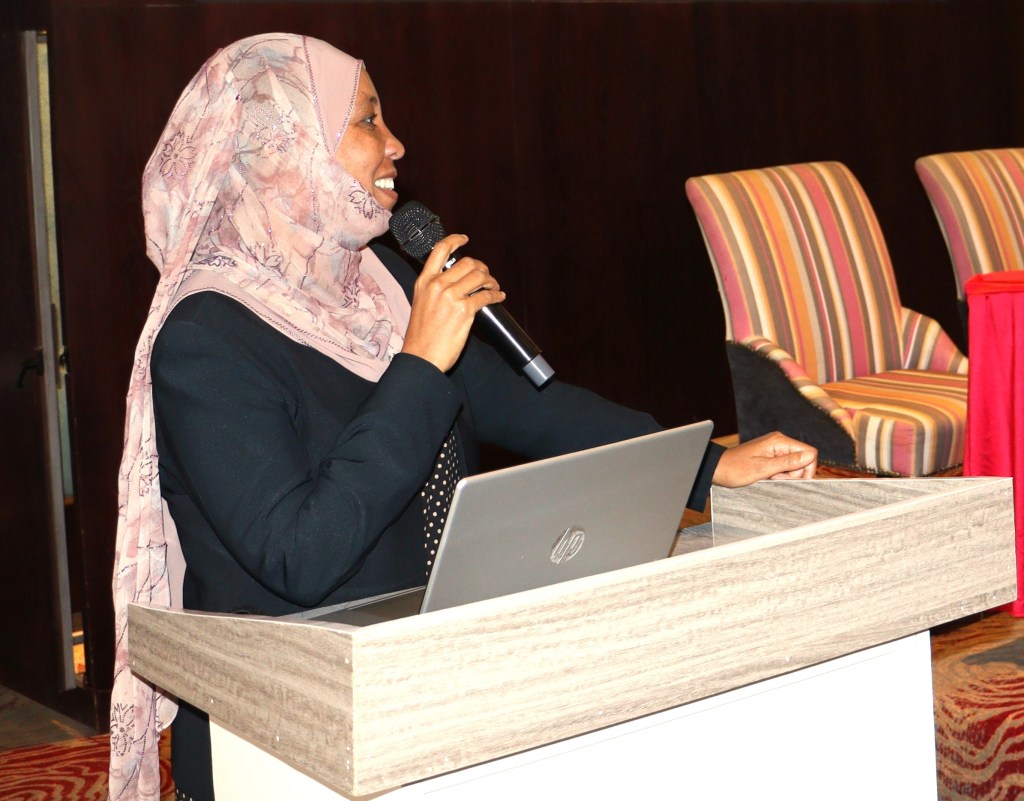
Her Excellency Dr. Sofiya Kassa, State Minister for the Agricultural Investment Sector, delivered opening remarks, highlighting the critical need to strengthen DSM to improve seed marketing efficiency at both regional and national levels. Dr. Sofiya emphasized the importance of collaboration among stakeholders to address existing challenges and develop actionable solutions for a more effective seed marketing system. She stressed that targeted follow-ups and support to key actors at various levels is essential for achieving tangible progress.
The workshop featured presentations on the current state of seed production and marketing in the Oromia Region, as well as an overview of national-level challenges in the seed sector. Participants were also briefed on the existing seed marketing directive aimed at enhancing the knowledge on the existing regulation on seed marketing.
Engaging group discussions formed a key part of the workshop, with participants divided into groups and discussed on two thematic topics. The discussion topics are strategies to boost seed marketing efficiency through the DSM approach and ways to reduce the involvement of agricultural offices at different levels in seed marketing activities, advocating for their role to be primarily overseeing the process and guidance.
Dr. Sofiya reiterated that the primary role of the Bureau of Agriculture, as outlined in relevant proclamations, is to ensure seed quality and oversee proper seed production and distribution practices. She encouraged participants to focus their discussions on eliminating unnecessary interference in the seed marketing system, which could hinder efficiency.
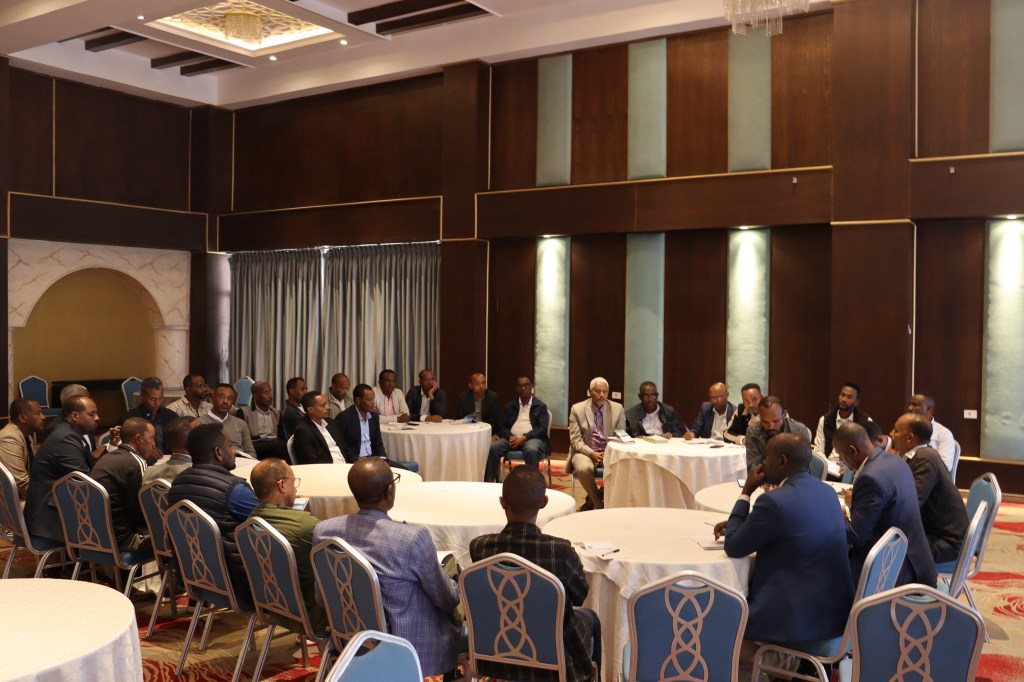
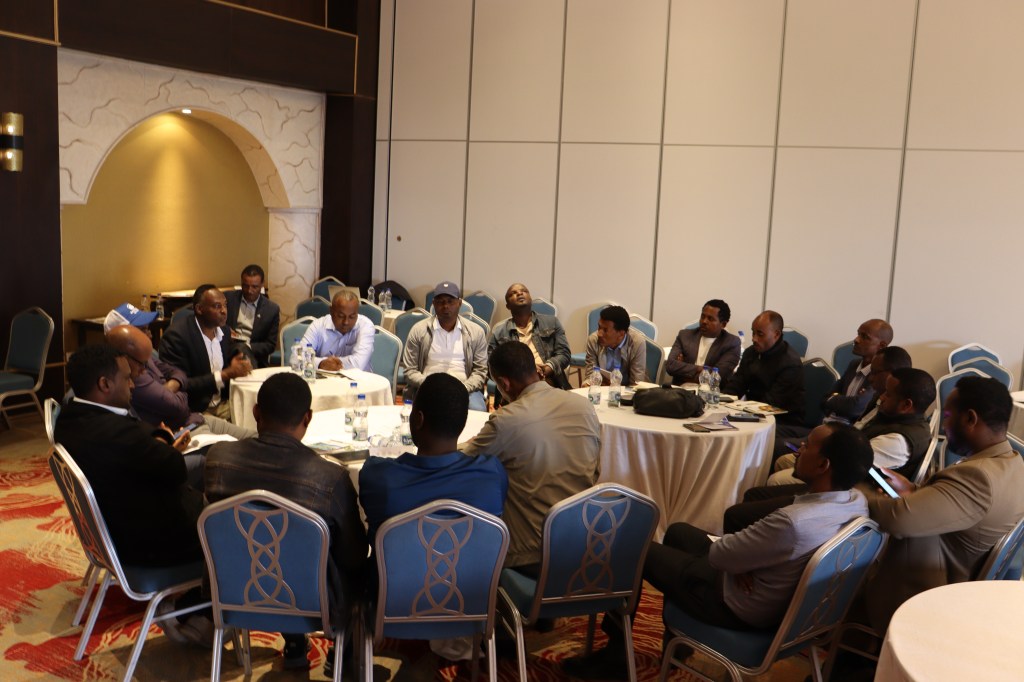
After group discussion participants shared their outputs in plenary. They acknowledged existing challenges, including interference by government structure in areas such as agro-dealer identification, seed allocation, promotion, and distribution. These interferences were noted to sometimes allow non-competent seed producers into the market or disrupt efficient seed distribution processes. To address these issues, participants proposed several solutions, including:
- Conducting timely and accurate assessments of seed demand.
- Encouraging direct collaboration between seed producers and agro-dealers.
- Limiting the role of public sector organizations, including the Bureau of Agriculture, to regulatory and coordination functions such as counterfeit seed control and ensuring fair distribution.
- Promoting the availability of early-generation seeds (EGS) and improving their distribution.
- Developing a strategy to combat counterfeit seeds through the enforcement of regulations and the improvement of packaging material
In the concluding discussions, participants agreed on a series of follow-up actions. They stressed that seed producers must prioritize quality and ensure timely availability of seeds. Major DSM woredas (districts) will be identified for targeted follow-up and support. Additionally, participants called for a more realistic approach to assessing seed demand and emphasized that distribution should align with agroecological conditions and farmers’ preferences. Participants also advocated for greater flexibility in seed marketing by removing boundaries that restrict seed producers from selling their seeds wherever there is demand. A revision of the seed packaging system was proposed to ensure quality assurance and accommodate farmers’ landholding sizes. While acknowledging the challenge of eliminating seed carryover entirely, participants committed to keeping it below ten percent.
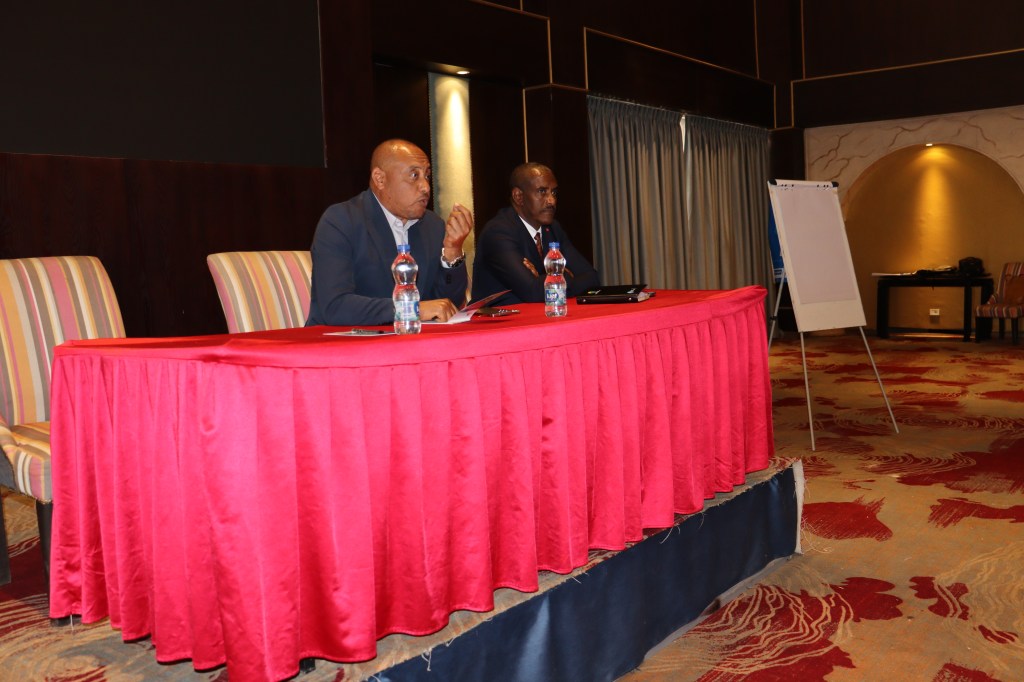
Getu Gemechu, the head of Oromia BoA, highlighted several key points regarding seed utilization and challenges in the region. He emphasized that a significant quantity of seed remains unused in storage, with the regional adoption of certified seed currently at 9.5%. He identified the primary issue as inefficiencies within the seed marketing system. Furthermore, he stated that zonal and woreda officials hold full responsibility for ensuring farmers have access to seeds by reducing unnecessary interference and focusing on effective coordination and regulation. To address these challenges, he advocated for the implementation of the Direct Seed Marketing (DSM) approach to improve smallholder farmers’ access to quality seeds.
The workshop concluded on an optimistic note, with stakeholders expressing their commitment to implementing these initiatives. Special responsibilities were assigned to zonal agriculture department officials and experts to oversee progress and ensure accountability. The event brought together representatives from key organizations, including the Ministry of Agriculture, Regional and all Oromia zones office of Agriculture, Regional cooperative promotion agency agricultural research institute, public seed enterprises, private seed producers, seed unions, Oromia region Agricultural Transformation Institute, multi-national seed companies, regional regulatory authority, Oromia Agro group, and SWR Ethiopia ESP project.

You must be logged in to post a comment.