

In an effort to enhance food security, improve nutrition, and bolster climate resilience, the role of high-quality seeds cannot be overstated. Recognizing this, the Ethiopian Seed Partnership (ESP) has been working diligently with domestic seed companies to strengthen their capacity in seed production and quality assurance. By equipping these companies with the tools and knowledge required to deliver quality seeds of improved crop varieties, ESP is paving the way for a more sustainable and productive agricultural sector in Ethiopia.
Identifying challenges and addressing gaps in seed quality control
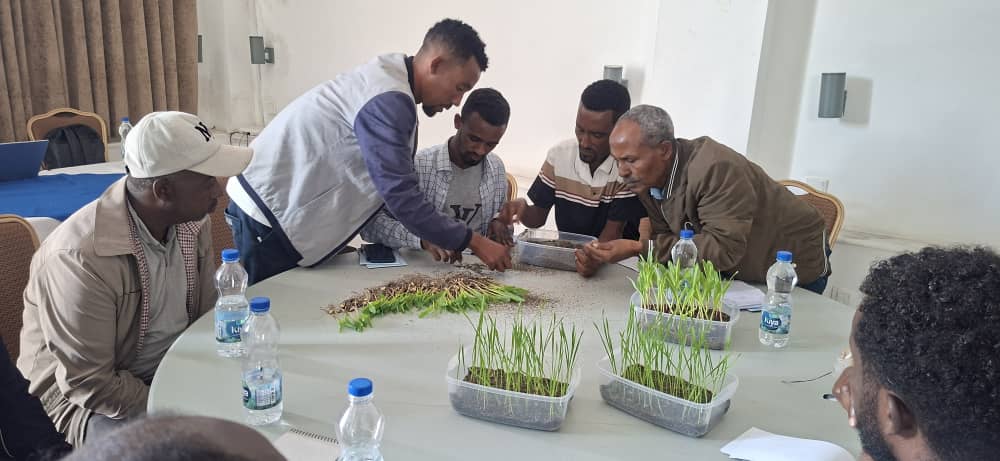
The ESP assessment identified gaps in seed quality testing among private seed companies, citing limited technical skills and unfamiliarity with Directive No. 1097/2025, which requires an Internal Seed Quality Control System. In response, a practical training program was held in Bishoftu on March 24-25, 2026, to enhance agronomists’ skills in seed sampling, germination, purity, and moisture testing. The program included hands-on sessions and a visit to ATM Seed Company’s storage facility to observe best practices. Eighteen participants, including an Ethiopian Agricultural Authority representative, attended.
Outcomes of the training and participants’ feedback
The training program was successful in building the capacity of the trainees. Agronomists reported enhanced technical competence and greater confidence in conducting laboratory-based seed quality tests. Many also noted that the training improved their decision-making abilities related to seed processing, storage, and marketing.
A particularly valuable aspect of the program was the emphasis on peer learning. Agronomists from different companies shared experiences, challenges, and best practices, fostering a spirit of collaboration that is crucial for advancing Ethiopia’s seed industry.
Participants expressed strong appreciation for the practical orientation of the training. The hands-on sessions were especially well-received, as they clarified complex procedures and provided actionable insights. Many attendees emphasized that the training would significantly enhance the accuracy and reliability of their seed quality assessments in day-to-day operations.
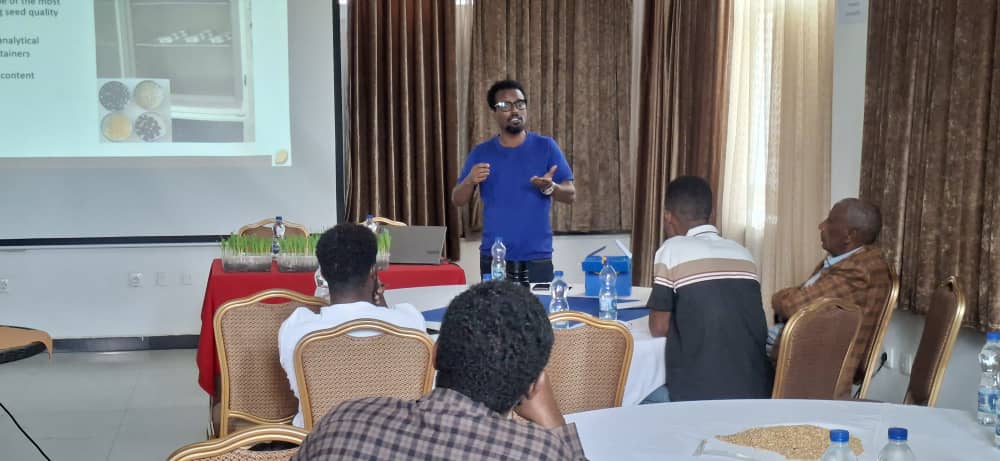
The success of this training underscores the importance of practical, short-term learning initiatives in building capacity within Ethiopia’s private seed sector. By equipping agronomists with the skills required for accurate seed quality analysis, ESP is contributing to the production and distribution of high-quality seeds. This, in turn, supports increased agricultural productivity, strengthens farmer confidence in improved crop varieties, and promotes sustainable development.

You must be logged in to post a comment.