
In Ethiopia’s Afar Region, farmers long reliant on humanitarian seed aid due to droughts and floods are now seeing change. Efforts are underway to transform the seed system, offering hope to these resilient agro-pastoral communities.
The region has long faced seed insecurity, relying on external seed assistance due to the lack of local producers except for the small Afar Seed Enterprise. These imported seeds from other regionswere often late, costly, or unsuitable for local conditions, undermining the productivity and resilience of Afar’s farmers.
What’s more, the prevailing practice of direct seed distribution by humanitarian organizations unintentionally stifled the growth of local seed production systems. Instead of fostering independence, it deepened reliance on external aid. But change was on the horizon.
Seed producers cooperatives officially established
Mercy Corps Ethiopia, through its ESP Seed Insecurity Response program, collaborated with regional partners to empower communities to produce quality seeds, reduce aid dependency, and boost agricultural resilience. This effort led to the establishment of Afar’s first licensed Seed Producer Cooperatives: Qayawisa SPC in Afambo and Sadiseno SPC in Amibara woredas, offering new hope to local farmers after years of challenges.Formal SPCs started local seed production and supplies
The journey to formalize these SPCs was no small feat. It required collaboration with the regional Cooperative Promotion Agency, meticulous planning, and unwavering commitment from all actors. Once registered and launched, the cooperatives hit the ground running.
Armed with technical knowledge, ongoing support, and 19 quintals of Early Generation Seed (EGS), the SPCs began cultivating teff and maize across 57 hectares of land. The results have been nothing short of remarkable. This season alone, they expect to produce over 2,000 quintals of certified seeds: enough to supply quality seeds to an estimated 8,000 farmers across the region.
One hundred farmers; 36 of them women; are now directly involved in these intermediary seed production practices.
Seed quality assurance
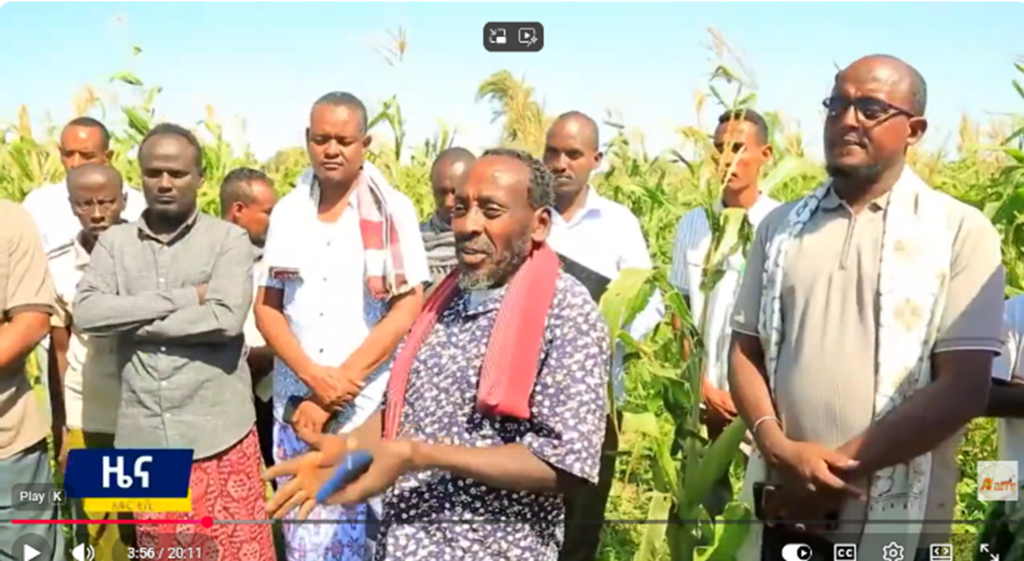
To ensure the seeds meet quality standards, the newly established Regional Seed Regulatory Directorate under BoANR conducted two rounds of field inspections. The results were promising: all 57 hectares of seed fields passed minimum inspection standards, with maize fields showing exceptional performance.
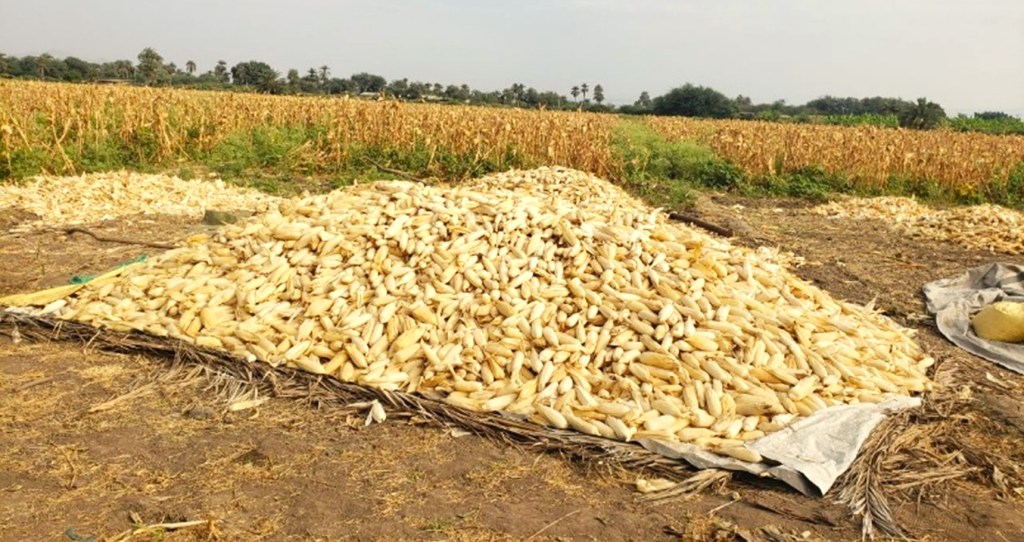
The next steps include postharvest inspections and laboratory analyses to finalize certification and issue official seed tags.
Market linkages
Beyond production, building market linkages has been a key focus. Field day events have brought together farmers, humanitarian organizations, and development actors to witness the progress firsthand.
One participant from Save the Children shared their excitement: “There were times when we travelled long distances searching for seeds for farmers in need. Today, standing in this field, we see proof that Afar can produce its own quality seed when the right support is in place.”
For Mr. Mohammed Ali, Chairperson of Qayawisa SPC, the transformation has been deeply personal: “We never expected to see such results from our own farmland. Now we have learned how to produce quality seed, and next season we plan to produce even more so our community can benefit.”
Then what- The next steps?
While the achievements so far are remarkable, there’s still much work to be done. The next chapter involves further strengthening the technical, organizational, and institutional capacities of these SPCs. Building stronger linkages to markets and services will be crucial for sustaining this momentum and scaling up impact across the region.

You must be logged in to post a comment.