


The Ethiopian Seed Partnership Plus (ESP+) consortium has begun planning for 2027, building on progress to date while responding to emerging challenges and lessons from implementation. The process is identifying priority areas for greater attention and using experience from across the partnership to shape the next phase.
Workshop discussions highlighted steady gains across the project’s components. Private seed companies supported through the RESILIENCE BV-led work are expanding production and diversifying their variety portfolios. New financing approaches, including the Guarantee to Grant facility, are also improving access to capital and supporting further growth in seed supply.
ESP+ is also strengthening higher education and professional capacity through research grants, demand-led training and support for business incubation. Its seed-sector internship programme continues to bring together private companies, public enterprises and research centres, creating pathways for young people to gain experience, secure employment and launch businesses.
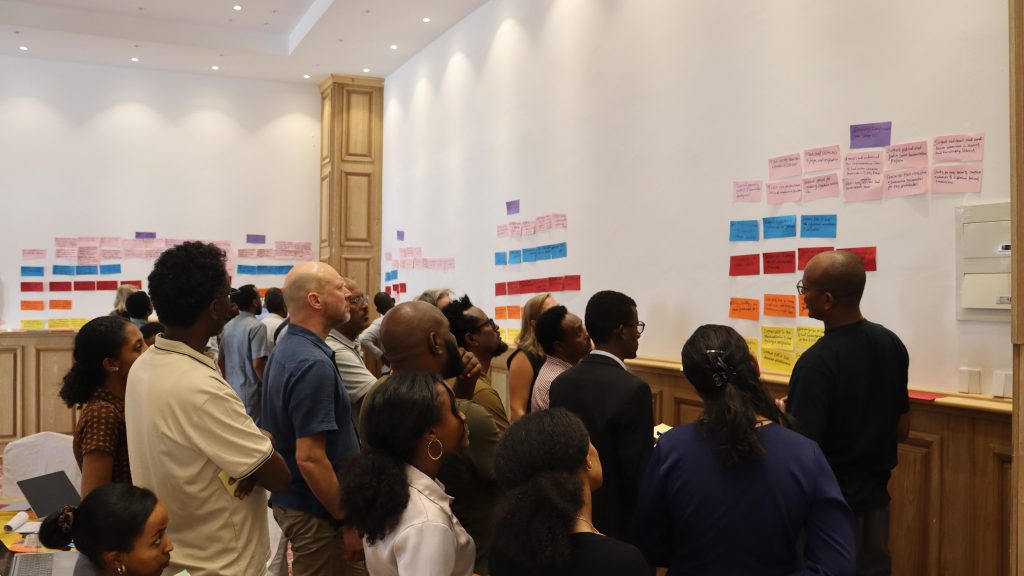
Farmer adoption of sustainable agricultural practices is rising as demonstrations and training improve awareness of quality seed, improved varieties and resilient production methods. The partnership is also drawing more international companies into public-private collaboration, helping strengthen oilseed, fodder and forage seed systems.
Mercy Corps Ethiopia led seed insecurity response in conflict affected and fragile areas work is advancing more coordinated, evidence-based responses in these regions. Assessments are informing market-based approaches, while new guidance is improving links between humanitarian assistance and long-term development. Support for seed producer cooperatives and community seed banks is increasing local supply, and participatory trials are widening farmers’ access to improved, climate-resilient varieties.
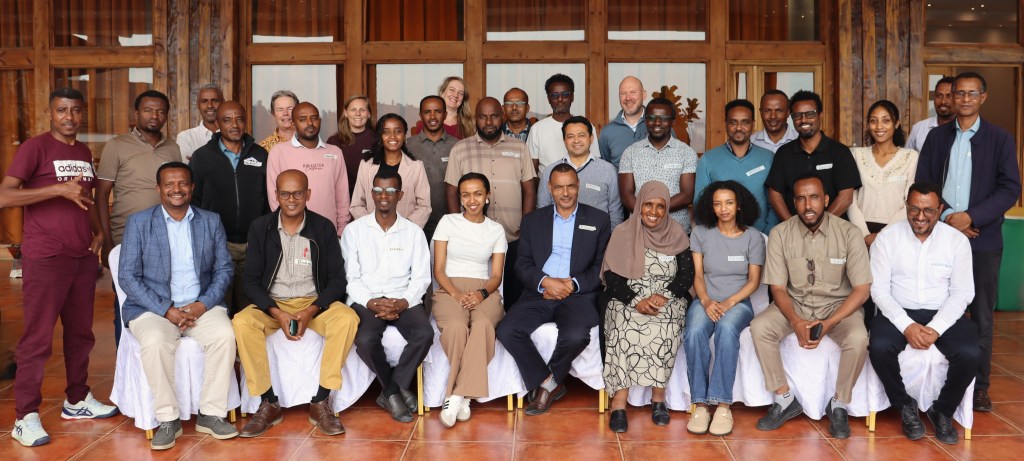
Efforts in seed-sector transformation is also on a good track. ESP+ has supported stronger coordination and governance, contributed to policy and regulatory reform, and expanded the use of digital monitoring. More transparent variety testing and registration are aligning national systems with international practice, while barcode-based certification is extending across regions and crops. Improvements in phytosanitary and digital certification, together with new evidence on seed carryover, are also informing dialogue on future seed-marketing reforms.
In 2027 ESP+ will build on the partnership’s progress by strengthening collaboration between consortium members and other development partners in the seed sector. Together, these efforts are expected to advance a more resilient, inclusive and market-oriented seed sector that delivers lasting benefits for farmers and communities across Ethiopia.

You must be logged in to post a comment.