


For many young graduates, the transition from university to employment can be a difficult journey. For five graduates placed at Ethio LEAP Agro-tech through the Ethiopian Seed Partnership Plus (ESP+) internship programme, that journey became an opportunity to gain practical experience, develop valuable skills, and launch careers in the seed sector. Today, four of those five interns are employed by the company, highlighting the power of public private partnerships in creating opportunities for young professionals while addressing critical skills shortages.
Ethio LEAP Agro-tech, an Ethiopian agricultural technology company specializing in modern and sustainable farming systems, faced a common challenge during its early years: finding qualified professionals with practical expertise in seed propagation and greenhouse management. While graduates possessed academic knowledge, the company needed employees with hands-on experience in the specialized field of seed production.
The ESP+ internship programme provided a timely solution.
By connecting recent graduates with employers in the seed industry, the programme creates opportunities for young professionals to gain workplace experience while helping companies identify and develop future employees. For Ethio LEAP, the partnership became an effective way to build a skilled workforce from within.
“At the early stage of the company, finding skilled manpower was a challenge,” said Bereket Zelalem (PhD), Director of Systems and Strategy at Ethio LEAP Agro-tech. “Seed requires thorough care, like an egg. Finding someone with the right skills, especially in seed production and propagation, was difficult.”
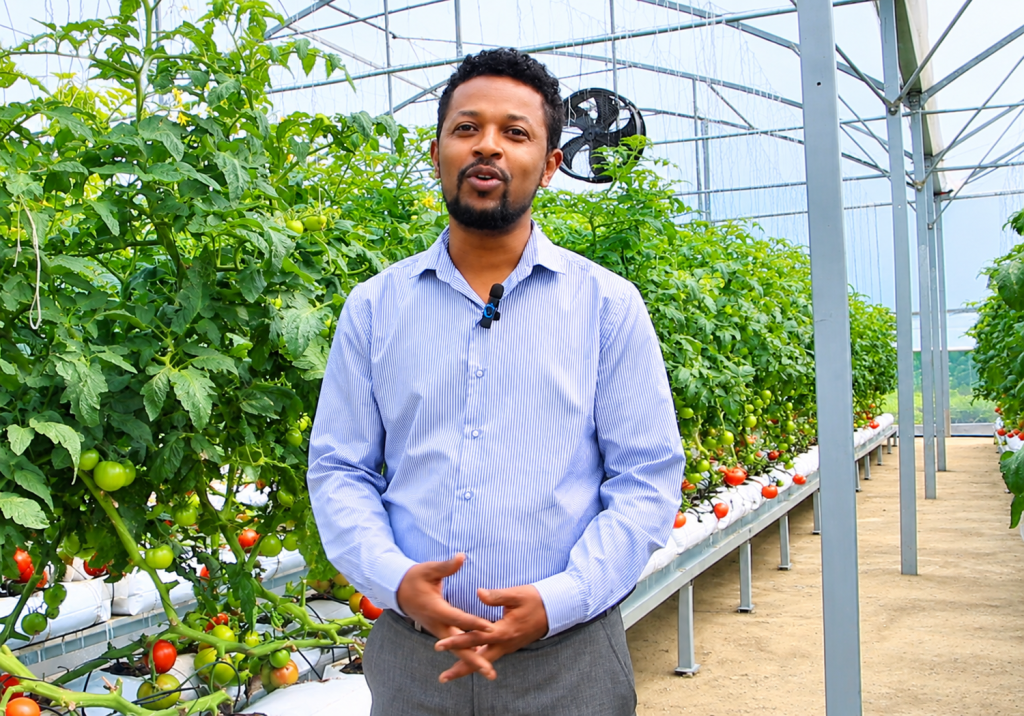
According to Bereket, the internship programme benefits both companies and graduates. Interns gain practical exposure to the realities of the seed business, allowing them to apply classroom knowledge in a professional setting. At the same time, employers have an opportunity to assess potential recruits, develop their capabilities, and identify the most promising candidates for long-term employment.
“We see the internship programme as part of our corporate responsibility,” he said. “It gives fresh graduates the opportunity to gain hands-on experience while helping companies access new talent.”
One of the programme’s success stories is Moltolign Tigabu, who joined Ethio LEAP as an intern and later secured full-time employment with the company.
Before joining the programme, Moltolign spent months searching for work with little success. Like many recent graduates, he found it difficult to gain employment without prior experience, yet impossible to gain experience without first securing a job opportunity.
The ESP+ internship changed that.
“The internship programme was a life-changing opportunity for me,” Moltolign said. “I was looking for work everywhere but could not even get the chance for an interview. The internship gave me practical experience and an opportunity to show what I could do.”
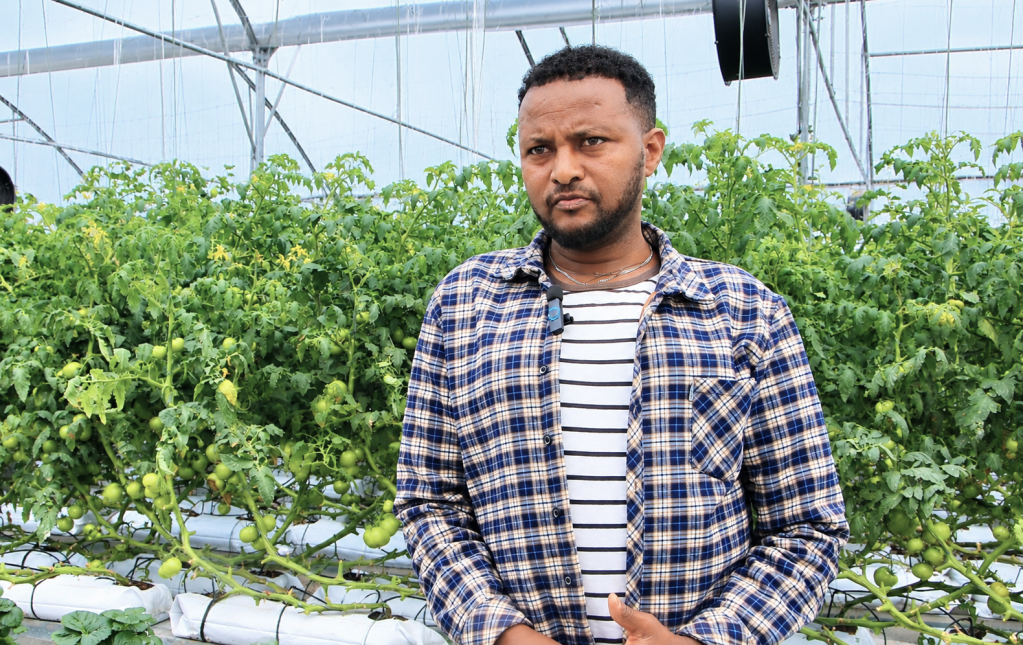
During his six-month placement, Moltolign gained hands-on experience and learned how to apply the concepts he had studied at university in a real working environment. His performance earned him a permanent position, and he has now been working with Ethio LEAP for more than a year and a half.
“Because of the internship, I gained practical experience and had the chance to apply what I learned in theory,” he said. “Now I have a job, thanks to the ESP+ internship programme.”
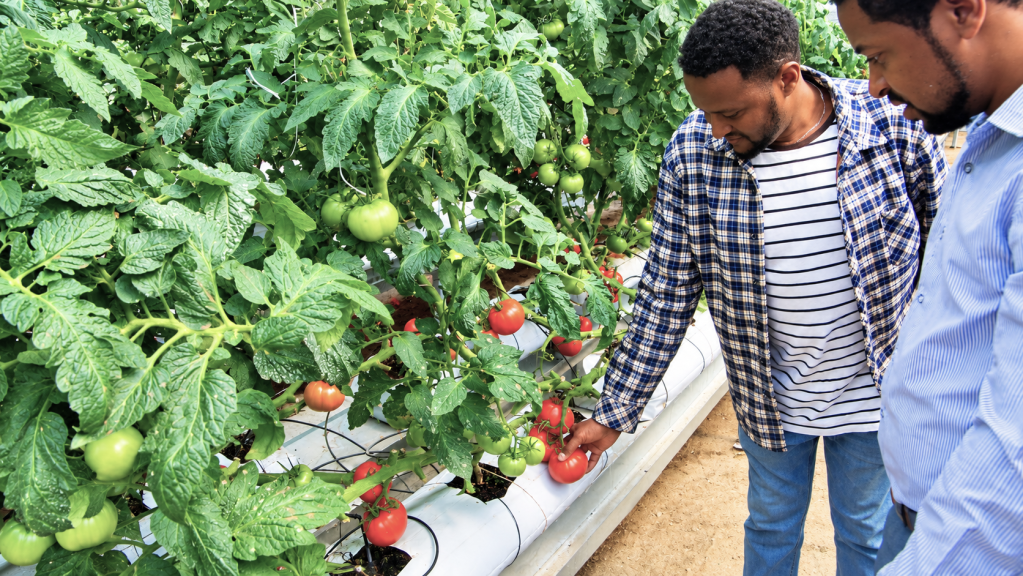
Moltolign hopes more companies and development partners will create similar opportunities for young graduates entering the agricultural sector. He also encourages graduates to actively seek internships and practical training opportunities that can help them develop their skills and demonstrate their potential.
The experience of Ethio LEAP and its interns demonstrates the value of stronger collaboration between employers, development partners, and training initiatives. By linking education with practical workplace experience, programmes such as ESP+ are not only helping graduates begin their careers but also contributing to the development of the skilled workforce needed to transform Ethiopia’s seed sector.

You must be logged in to post a comment.