-
National Seed Forum highlights challenges and opportunities in Ethiopia’s seed sector
 Read more: National Seed Forum highlights challenges and opportunities in Ethiopia’s seed sector
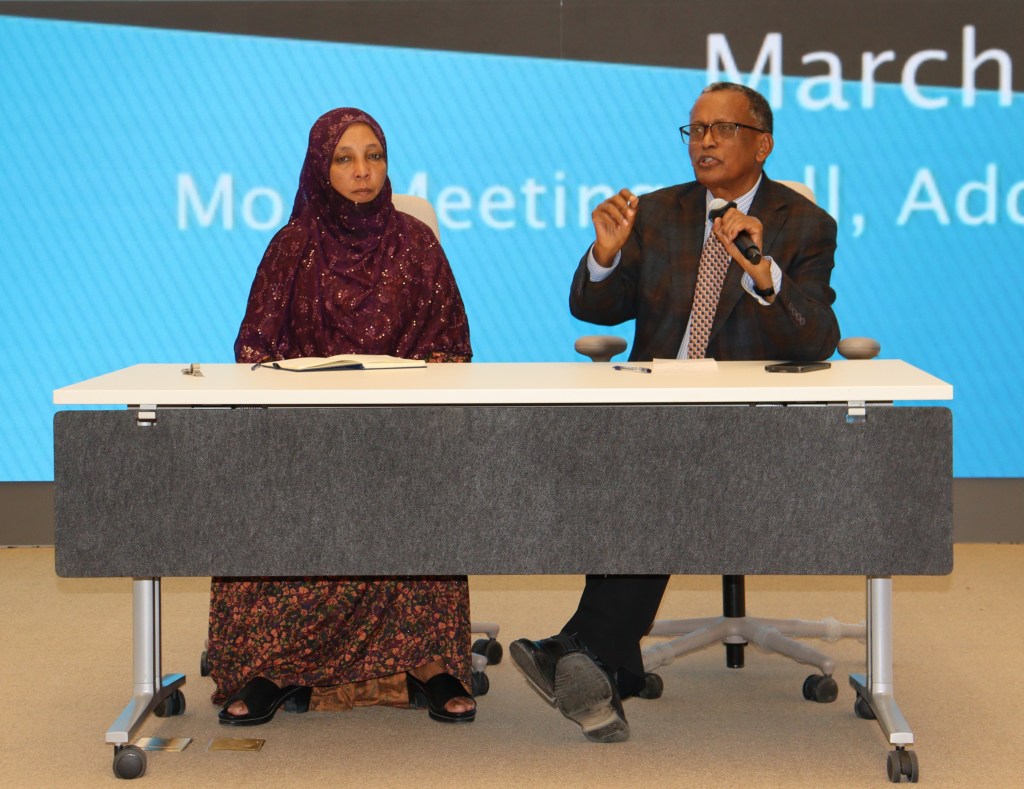
A National Seed Forum was convened on March 7, 2026, at the Ministry of Agriculture meeting hall in Addis Ababa, Ethiopia. Organized by the Ethiopian Seed Association (ESA) with support from the Ethiopia Netherlands Seed Partnership (ESP), and Agricultural Transformation Institute (ATI), the forum was held under the theme “Quality Seed for Food System Transformation.”…
-
Stakeholders discuss strategies to reinitiate Direct Seed Marketing in Oromia Region
 Read more: Stakeholders discuss strategies to reinitiate Direct Seed Marketing in Oromia Region
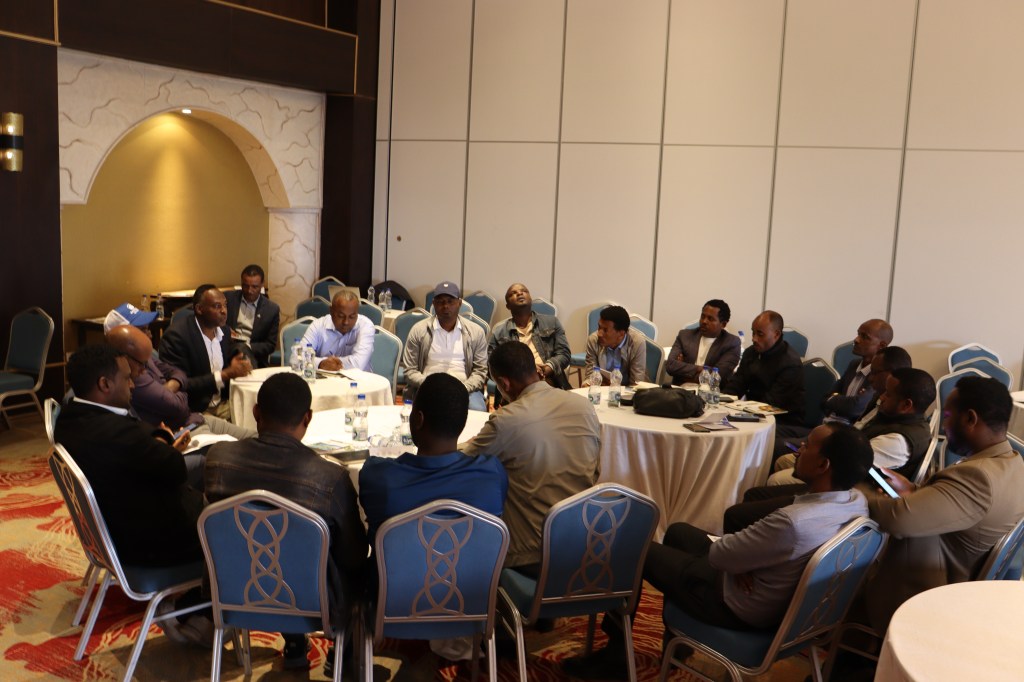
In a concerted effort to enhance seed marketing and ensure the efficient delivery of quality seeds to farmers, the Ministry of Agriculture (MoA), in collaboration with the Oromia Bureau of Agriculture (BoA), Oromia Seed Enterprise, and Ethiopian Seed Partnership (ESP), hosted a regional stakeholders’ consultative workshop in the Oromia Region on 5th of March 2026.…
-
A field that speaks for itself: Farmers’ Field Day brings new hope for seed producers in Afar
 Read more: A field that speaks for itself: Farmers’ Field Day brings new hope for seed producers in Afar
In the arid and sun-scorched lands of the Afar Region, a green revolution is taking root. A homegrown maize seed production initiative is offering hope to local communities, ensuring the availability of quality seeds that are accessible and tailored to farmers’ needs. The story of transformation begins with a simple yet powerful belief: “Afar can…
-
Exploring new horizons: Strengthening Public-Private Partnerships in Ethiopia’s forage seed sector
 Read more: Exploring new horizons: Strengthening Public-Private Partnerships in Ethiopia’s forage seed sector
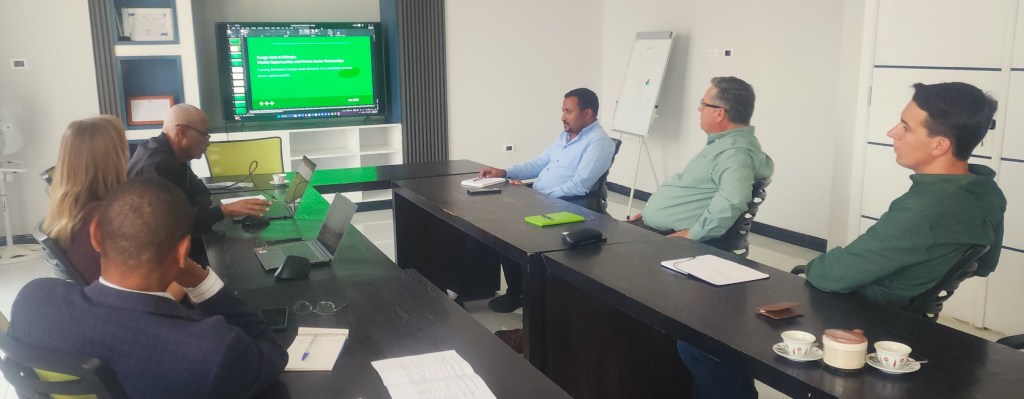
DLF, a globally renowned seed producer based in Denmark, recently visited Ethiopia and engaged in constructive discussions with the SWR Ethiopia Ethiopian Seed Partnership (ESP) project and RESILNCE teams. As a leading international company in forage seed production, DLF is committed to fostering public-private partnerships (PPP) to introduce high-quality forage crop varieties to the Ethiopian…
-
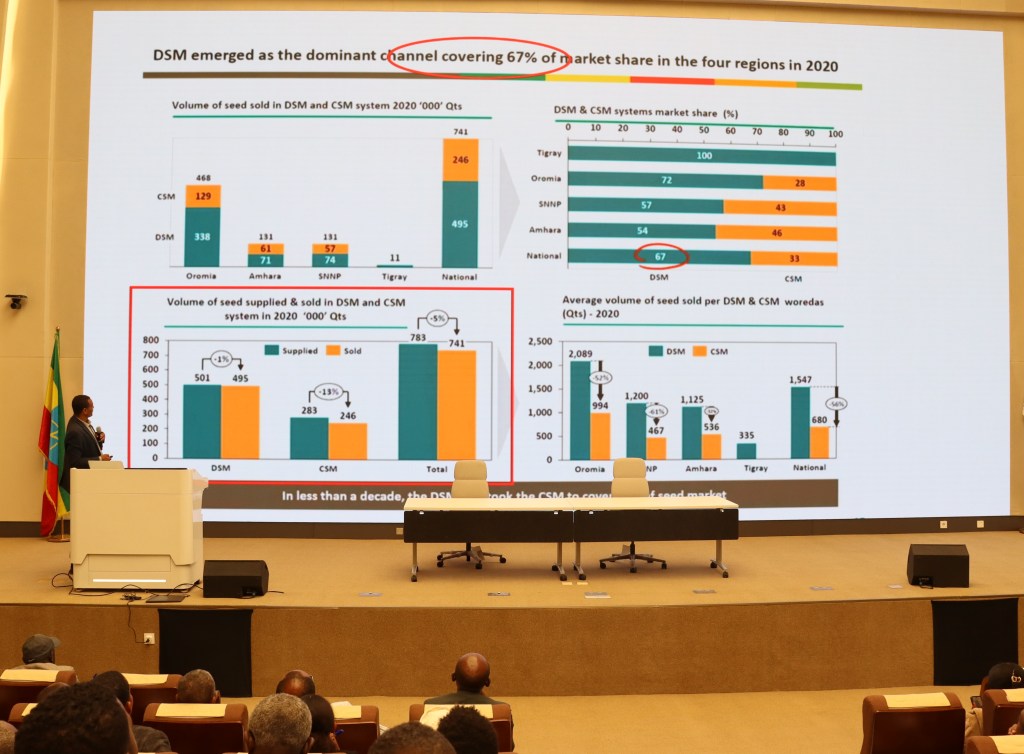
Direct Seed Marketing (DSM) to be resumed to address seed marketing challenges in Ethiopia
 Read more: Direct Seed Marketing (DSM) to be resumed to address seed marketing challenges in Ethiopia
Ethiopia’s agricultural sector stands as a cornerstone of the country’s economy, and the seed sector plays a pivotal role in ensuring food security and improved agricultural productivity. However, the seed market in Ethiopia faces numerous challenges, particularly with issues related to carry-over seed. In 2025, the National Seed Technical Committee (NSTC) identified this issue as…
-
Collaborative planning for coordinated seed emergency response in Tigray
Read more: Collaborative planning for coordinated seed emergency response in TigrayRecognizing the critical importance of sustainable seed systems in fragile contexts, a consultative and joint planning meeting was held on 30–31 December 2025 in Wukro town, Tigray region. The event brought together key humanitarian and development (HD) actors to discuss, jointly plan market-based seed response in the region. The meeting convened 37 participants representing government…
-
Restoring seed systems: A pathway to recovery and resilience in Tigray
Read more: Restoring seed systems: A pathway to recovery and resilience in TigrayIn the wake of prolonged conflict in Tigray, the agricultural landscape has been profoundly disrupted, leaving farming communities grappling with severe challenges to their livelihoods. Among the most critical impacts has been the collapse of local seed systems—essential structures that underpin food production, income generation, and resilience for smallholder farmers. Seed Producer Cooperatives (SPCs) and…
-
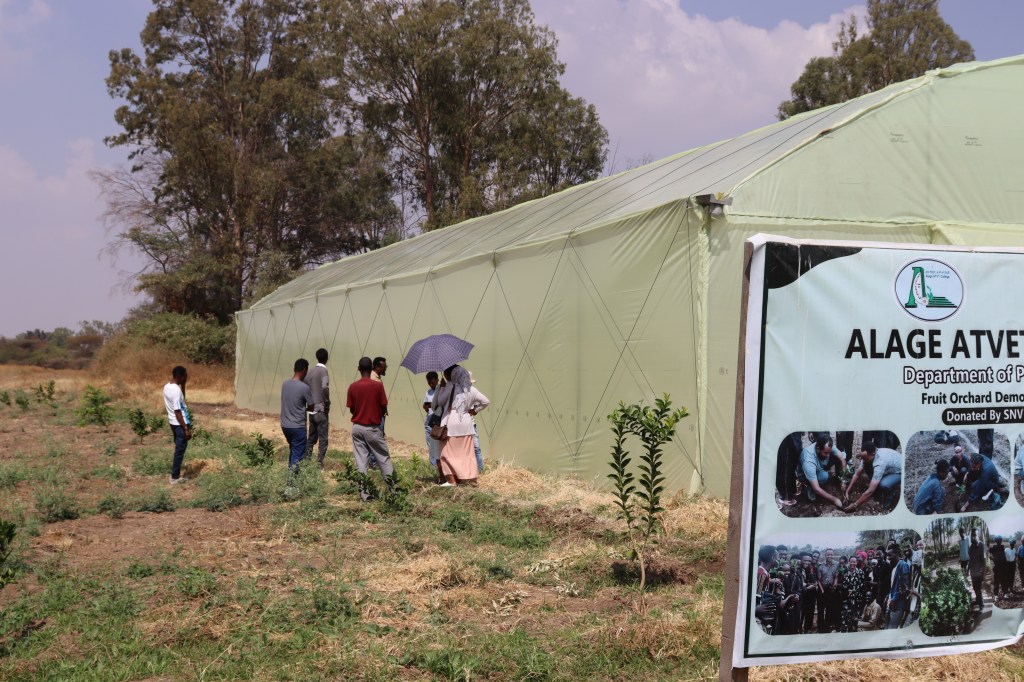
Ethiopian Seed Partnership and Alage Agricultural TVET join forces to create young entrepreneurs
 Read more: Ethiopian Seed Partnership and Alage Agricultural TVET join forces to create young entrepreneurs
To foster entrepreneurship and development of the seed sector, the SWR Ethiopia ESP project has joined hands with Alage Agricultural TVET College to support the college’s Business Incubation Centre. This collaboration is set to change the way young trainees are prepared for entrepreneurial ventures in the seed sector and related agricultural businesses. The primary goal…
-
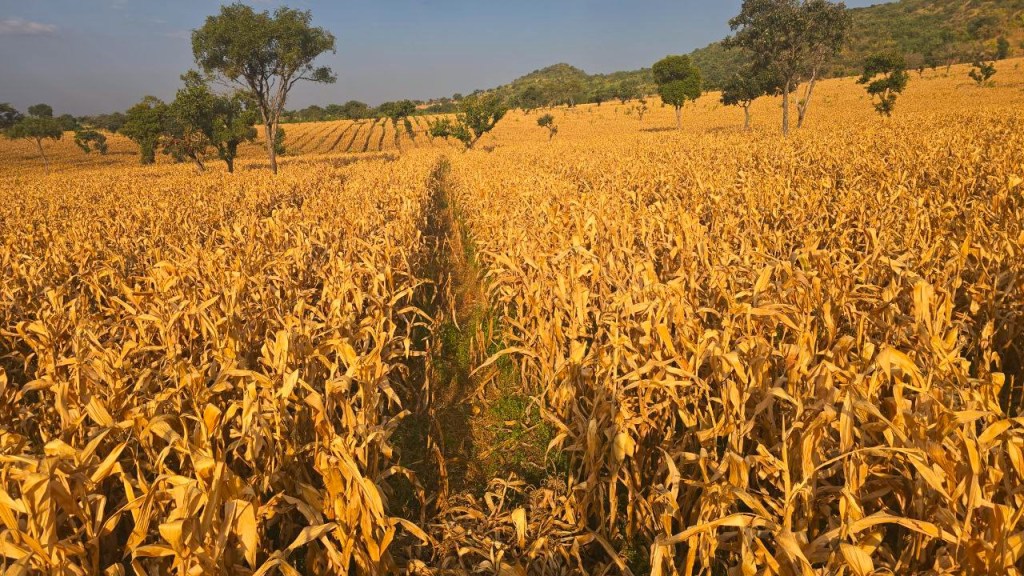
A new chapter of seed self-sufficiency for Benishangul Gumuz Region
 Read more: A new chapter of seed self-sufficiency for Benishangul Gumuz Region
The Benishangul-Gumuz Region, a fertile area in Ethiopia renowned for its agricultural potential, particularly in maize production, is taking significant strides toward achieving seed self-sufficiency. Historically, the region has been a key supplier of hybrid maize seed for the nation, with larger companies and public seed enterprises producing seeds in the area. However, the reliance…
-
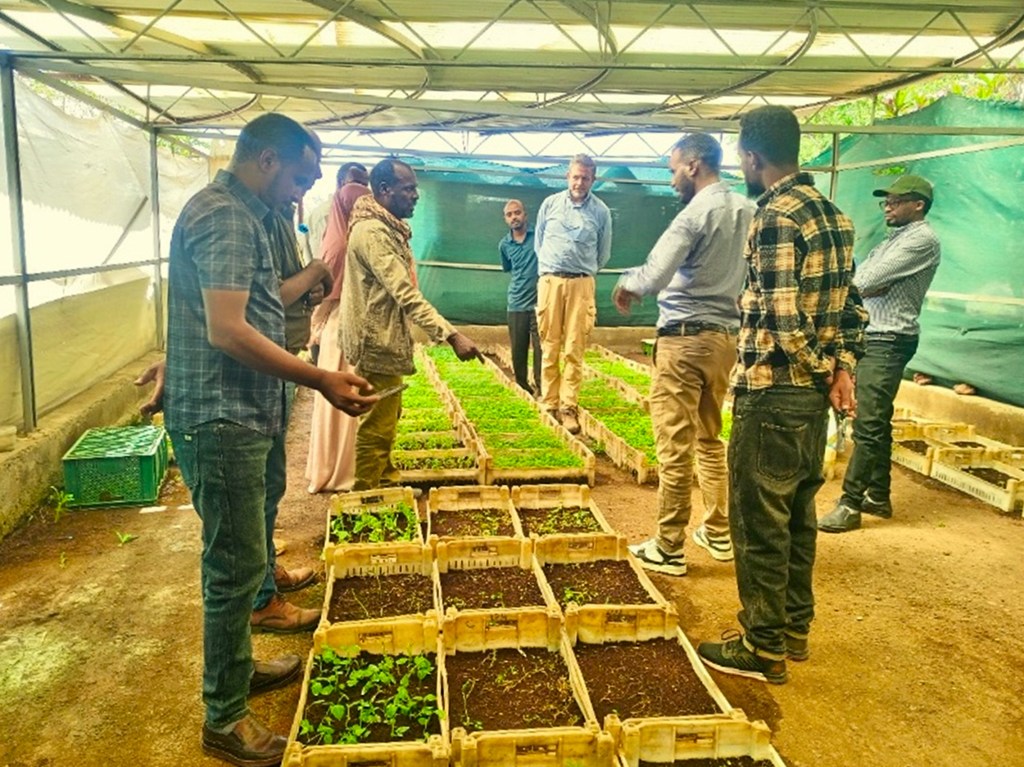
Seed producer cooperatives visit Solagrow PLC to learn innovative potato seed multiplication technology
 Read more: Seed producer cooperatives visit Solagrow PLC to learn innovative potato seed multiplication technology
In its continued effort to address seed insecurity in Ethiopia, the SWR Ethiopia ESP project has partnered with Haramaya and Mekelle universities to enhance the supply of improved seeds through Seed Producer Cooperatives (SPCs). This collaboration focuses on upgrading the technical and infrastructural capacities of SPCs in East Hararghe and Tigray regions. By improving governance,…

News

You must be logged in to post a comment.